117 search results for: chronic inflammation
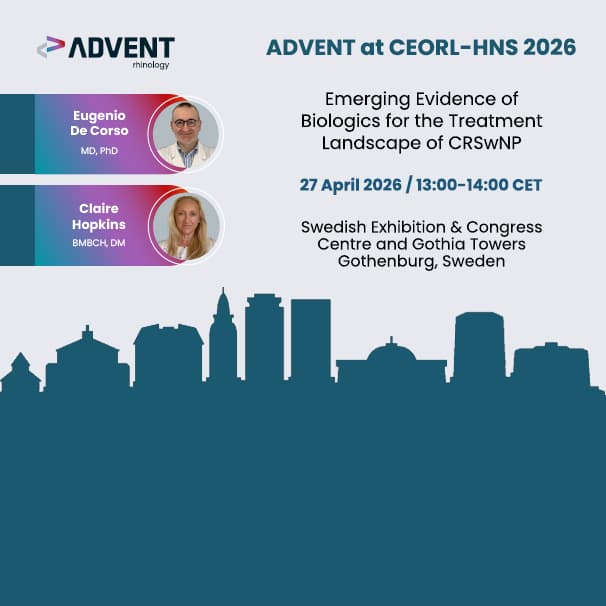
ADVENT at CEORL-HNS 2026
Join Sanofi and Regeneron for an educational symposium on type 2 inflammation, patient characteristics predictive of disease recurrence, and emerging real-world evidence for biologics in CRSwNP.
ADVENT at ATS 2026
At ATS 2026, the Sanofi & Regeneron ADVENT Booth brings together interactive experiences and educational resources to explore Type 2 inflammation as a key feature underlying both asthma and COPD.
Prurigo Nodularis: Type 2 Inflammation Links Neuronal Dysfunction and Fibrosis
This infographic highlights how PN is driven by type 2 inflammation, linking immune dysregulation, fibroblast activation, and neuronal dysfunction to nodule formation. It also shows how cytokine-mediated changes in neuronal architecture increase excitability and chronic itch, where resulting lesions and scarring significantly impact patients’ psychological well-being.

Eosinophils: A Biomarker in COPD
Learn how to identify chronic obstructive pulmonary disease (COPD) patients with type 2 inflammation using blood eosinophil (EOS) levels, understand the associated risks, and recognize factors that may influence EOS counts.
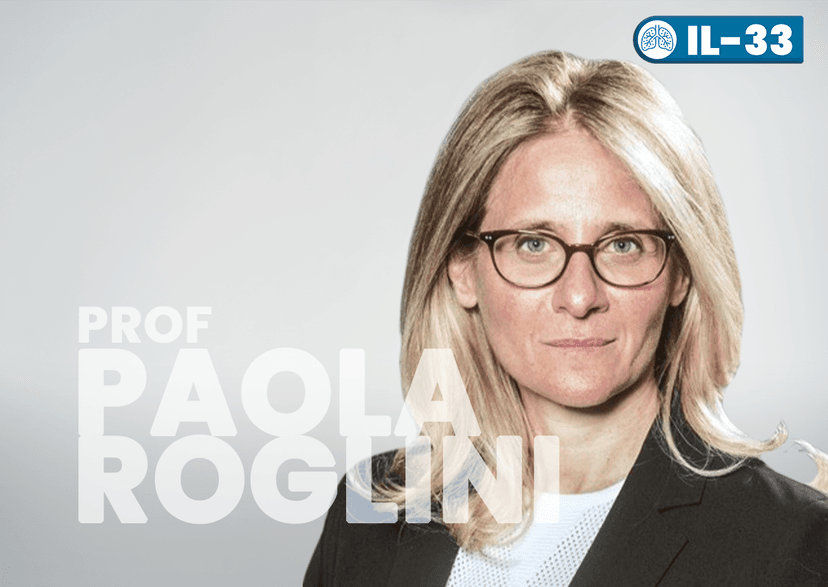
ERS 2024 | The Role of IL-33 in COPD Patho and Its Impact on Disease Remodeling
Professor Paola Rogliani examines the role of IL-33 in the pathophysiology of COPD, focusing on its contribution to airway inflammation, remodeling, and disease progression.

Type 2 Inflammation Contributes to Itch and Fibrois in PN
Join Dr. Kwatra outlining the micro itch cycle involving type 2 cell polarization and cytokines that directly affect fibroblasts to cause more immune dysregulation in PN.
Beyond Itch: The Multifaceted Role of IL-4/IL-13 in the Pathogenesis of PN
Professor Sarina Elmariah describes how IL-4 and IL-13, key drivers of type 2 inflammation, uniquely contribute to manifestations of prurigo nodularis beyond itch.

What Went Wrong? How Dysregulated Type 2 Immunity Contributes to AD, PN, CSU, and BP
The March 2025 ADVENT symposium in Orlando, Florida brought together 4 dermatology experts to explore the evolving science of type 2 inflammation. Type 2 inflammation plays a central role in the pathophysiology of multiple dermatological diseases, driving chronic immune dysregulation that affects patients with atopic dermatitis (AD) prurigo nodularis (PN), chronic spontaneous urticaria (CSU) and bullous pemphigoid (BP). Understanding the mechanisms behind type 2 inflammation is key to advancing care and improving patient quality of life.

Decoding the Clinical Puzzle: Navigating Diagnostic Complexity Across Inflammatory Skin Diseases
Dr Sarina Elmariah highlights the clinical challenges in diagnosing inflammatory skin diseases, using prurigo nodularis as a case study. Drs Culton, Eichenfield, and Hawkes then join in to discuss additional challenges and complexities when diagnosing other skin diseases.

Navigating Atopic Dermatitis and Hand and Foot Dermatitis: Clinical Manifestations and Pathophysiology
Watch Drs. Simpson and Armstrong explore the clinical presentations, diagnostic challenges, and significant burdens experienced by patients with atopic dermatitis and hand and foot dermatitis, as well as the role type 2 inflammation plays in both of these diseases.

Bullous Pemphigoid Is an Autoimmune Disease Involving Dysregulated Type 2 Immune Response
Listen as Dr. Donna Culton discusses the importance of crosstalk between autoantibodies and type 2 inflammation in the development of bullous pemphigoid.
Role of Type 2 Inflammation in Skin Barrier Disruption and Itch
In this highlight video from the October 2024 ADVENT symposium at EAPS in Vienna, Austria, Dr Christine Bangert discusses how type 2 inflammation contributes to epidermal barrier dysfunction and chronic itch in AD
