171 search results for: Pathophysiology
Mechanisms of Disease: Autoimmunity and Role of Type 2 Inflammation in Bullous Pemphigoid (BP)
In this ADVENT symposium at the 2024 EADV meeting, Professor Enno Schmidt discusses the pathophysiology of BP, focusing on autoimmunity and the role of type 2 inflammation.

Understanding IL-33: A Key Factor in COPD Pathogenesis
Explore the role of interleukin (IL)-33 in chronic obstructive pulmonary disease (COPD) pathophysiology and its potential as a therapeutic target.

Unmet Needs in Bullous Pemphigoid
Join Dr. Culton as she discusses the unmet treatment needs in bullous pemphigoid, and the importance of understanding pathophysiology in disease management.
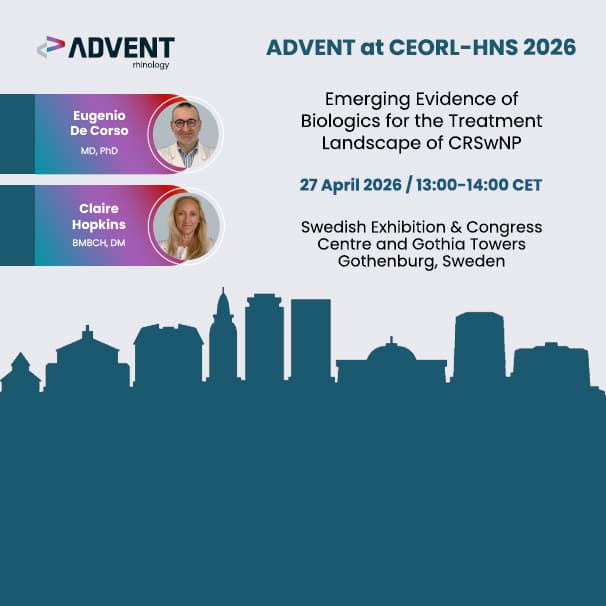
CEORL-HNS 2026 | Emerging Evidence of Biologics for the Treatment Landscape of CRSwNP
Join Sanofi and Regeneron for an educational symposium on type 2 inflammation, patient characteristics predictive of disease recurrence, and emerging real-world evidence for biologics in CRSwNP.

Barrier Breakdown: The Role of Type 2 Inflammation in AD and Atopic Sensitization
Dr. Jeff Yu presents the clinical presentation of pediatric AD and highlights how type 2 inflammation contributes to symptoms and development of atopic comorbidities such as food allergy and asthma at PeDRA 2025
EoE Burden and Pathophysiology of Type 2 Inflammation
Learn about the significant burden that patients with EoE experience, and the role of type 2 inflammation in this chronic, progressive disease.
Potential Biomarkers of Subclinical Control in AD Pathophysiology
Dr. Amy Paller describes potential biomarkers of subclinical control at EADV 2025

Bullous Pemphigoid Is an Autoimmune Disease Involving Dysregulated Type 2 Immune Response
Listen as Dr. Donna Culton discusses the importance of crosstalk between autoantibodies and type 2 inflammation in the development of bullous pemphigoid.

Key Pathophysiological Mechanisms of Chronic Spontaneous Urticaria Are Driven by Type 2 Inflammation
Join Dr. Jason Hawkes as he explains the importance of type 2 inflammation in chronic spontaneous urticaria.

The Science Behind the Scratch: Pathophysiology of Age-Related Itch
Dr. Butler delves into the multifaceted biological mechanisms, including type 2 inflammation, that drive chronic pruritus in older adults. He explains how age-related changes contribute to epidermal barrier dysfunction, neuropathic damage, and immune decline, leading to chronic pruritus.

More Than Eosinophils: A Closer Look at the Pathophysiology of EoE
Join Prof. Kathryn Peterson for an expert review on how different immune cells and inflammatory mediators contribute to the pathogenesis of EoE.
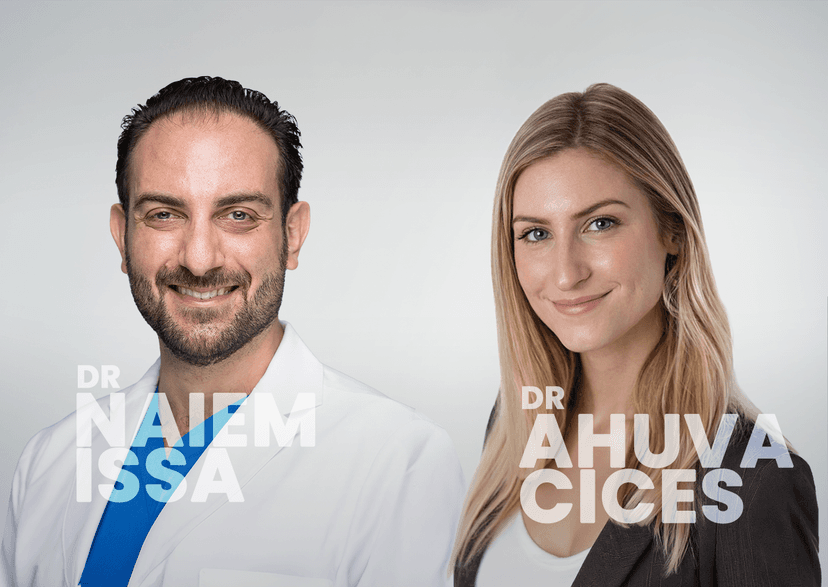
Challenging Misconceptions for Better Patient Care in AD and PN: Insight into Type 2 Inflammation
This symposium explores the key role type 2 inflammation plays in atopic dermatitis and prurigo nodularis and debunks common misconceptions about these skin diseases with key insights from Drs Ahuva Cices and Naiem Issa.
