150 search results for: Pathophysiology
Pathophysiology of Bullous Pemphigoid
Join Dr. Schmidt as he describes the pathophysiology of bullous pemphigoid, as well as novel research avenues to better understand this complicated disease.
Neuroimmune Dysfunction Is Critical in the Pathophysiology of Prurigo Nodularis
Dr. Sarina Elmariah explains the importance of neuroimmune crosstalk in the development of prurigo nodularis.

The Type 2 Interface: Unifying AD, CSU, and PN Pathophysiology and Dispelling Common Misconceptions
This symposium highlights the central role of type 2 inflammation in atopic dermatitis, prurigo nodularis, and chronic spontaneous urticaria and dismantles prevalent scientific misconceptions about these inflammatory skin conditions with lively discussion from Drs Jason Hawkes, Lakshi Aldredge and Diego Dasilva.
Complex EoE Pathophysiology Beyond Esophageal Eosinophilia
Dr. Jonathan Spergel and Prof. Arjan Bredenoord highlight the importance of different immune cells in type 2 inflammation in EoE.
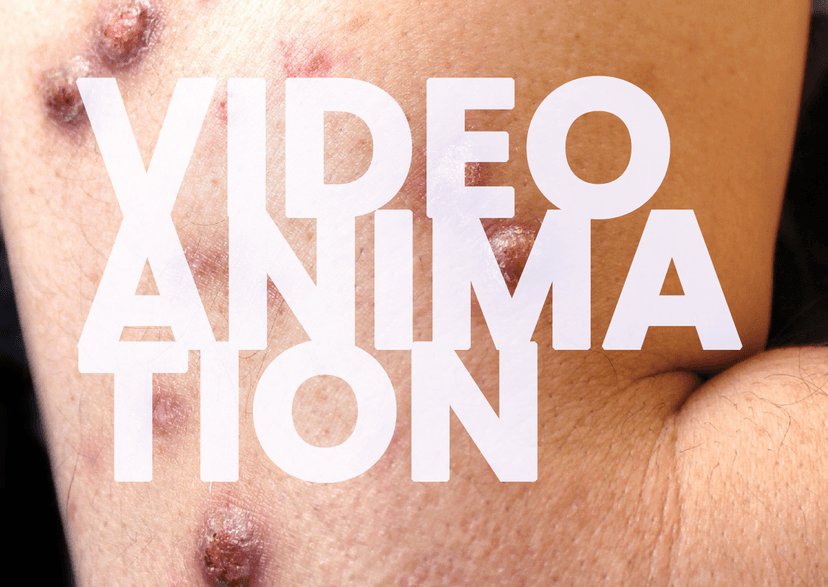
The Pathophysiology of Prurigo Nodularis
An infographic exploring the pathophysiology of prurigo nodularis and the role of type 2 inflammation.
The Role of IL-4 and IL-13 in the Pathophysiology of CSU
Dr. Jason Hawkes details the role of IL-4 and IL-13 in the pathophysiology of CSU at EADV 2025
Beyond the Assumptions: Differentiating the Evidence on AD Pathomechanisms
Dr. David Cotter debunks prevalent misconceptions surrounding atopic dermatitis by providing essential insights into its pathophysiology.
Type 2 Inflammation Is a Driving Factor for Atopic Dermatitis and Related Comorbidities
Dr. Lawrence Eichenfield describes the pathophysiology of atopic dermatitis and how type 2 inflammation may sensitize patients to atopic comorbidities.

Shared and Distinct: The Role of Type 2 Inflammation in Skin Diseases
Dr Donna Culton walks through the pathophysiology of type 2 inflammation in inflammatory skin diseases, using bullous pemphigoid as an example. Drs Eichenfield, Elmariah, and Hawkes join to discuss the role of type 2 inflammation across atopic dermatitis, prurigo nodularis, and chronic spontaneous urticaria, respectively.
Interplay of Barrier Dysfunction and Type 2 Inflammation in EoE
Learn from Prof. Seema Aceves about the interconnectivity of type 2 inflammation and barrier dysfunction in mediating EoE pathophysiology.

Understanding IL-33: A Key Factor in COPD Pathogenesis
Explore the role of interleukin (IL)-33 in chronic obstructive pulmonary disease (COPD) pathophysiology and its potential as a therapeutic target.
Unmet Needs in Bullous Pemphigoid
Join Dr. Culton as she discusses the unmet treatment needs in bullous pemphigoid, and the importance of understanding pathophysiology in disease management.
