76 search results for: mechanism of disease
Type 2 Cytokines Have Multiple Critical Roles in BP That Contribute to Inflammation and Itch
In this soundbite video from the April 2025 ADVENT Forum in Lisbon, Portugal, Prof. Enno Schmidt highlights the role of type 2 cytokines involved in the dysregulated Type 2 immune responses that contribute to inflammation and subsequent itch in bullous pemphigoid.
Type 2 Cytokines Have Multiple Critical Roles in BP That Contribute to Inflammation and Itch
In this soundbite video from the April 2025 ADVENT Forum in Lisbon, Portugal, Dr. Eric Simpson outlines why early, targeted control of type 2 inflammation may modify the course of atopic dermatitis by addressing upstream drivers of barrier dysfunction, dysbiosis, and itch.
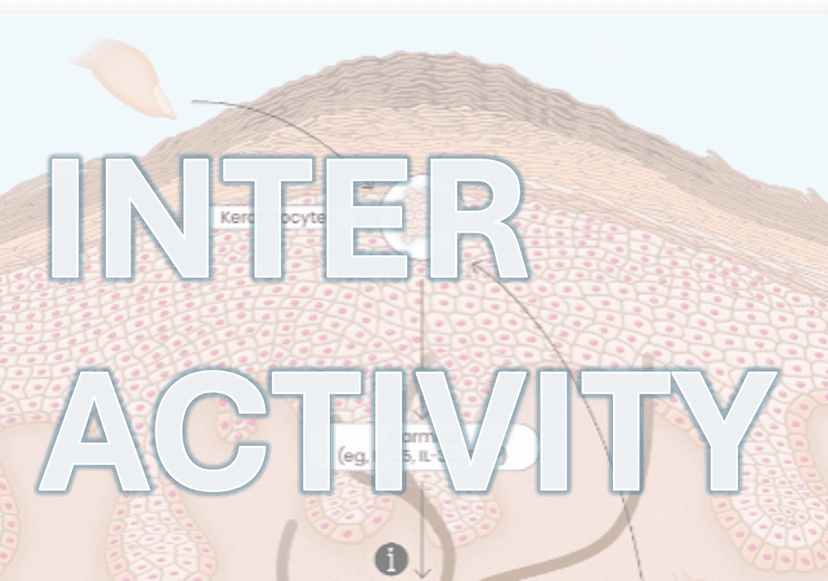
Prurigo Nodularis: Type 2 Inflammation Links Neuronal Dysfunction and Fibrosis
This infographic highlights how PN is driven by type 2 inflammation, linking immune dysregulation, fibroblast activation, and neuronal dysfunction to nodule formation. It also shows how cytokine-mediated changes in neuronal architecture increase excitability and chronic itch, where resulting lesions and scarring significantly impact patients’ psychological well-being.

What Went Wrong? How Dysregulated Type 2 Immunity Contributes to AD, PN, CSU, and BP
This full video presentation of the March 2025 ADVENT cross-dermatology symposium, hosted in Orlando, Florida features Dr. Eric Simpson, Dr. Shawn Kwatra, Dr. Jason Hawkes and Dr. Victoria Werth. The faculty present the latest information around type 2 inflammation and its association with atopic dermatitis (AD), prurigo nodularis (PN), chronic spontaneous urticaria (CSU) and bullous pemphigoid (BP).
Underlying Type 2 Inflammation Drives a Chronic Itch-Scratch Cycle in Atopic Dermatitis
In this soundbite video from the April 2025 ADVENT Forum in Lisbon, Portugal, Dr. Brian Kim explains how underlying type 2 inflammation sustains the chronic itch-scratch cycle in atopic dermatitis, highlighting the interplay of barrier dysfunction, cytokine signaling, and neuronal activation.
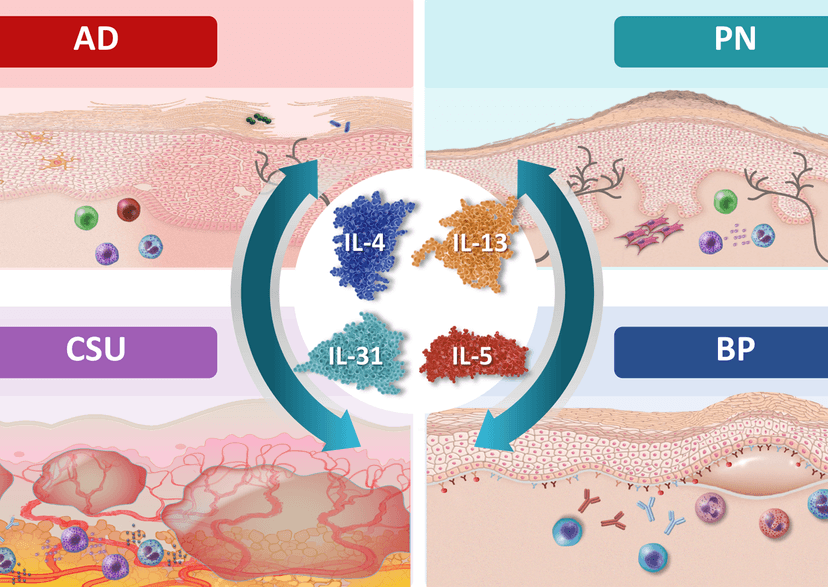
What Went Wrong? How Dysregulated Type 2 Immunity Contributes to AD, PN, CSU, and BP
This is the full presentation of the March 2025 ADVENT cross-dermatology symposium, hosted in Orlando, Florida, presenting the latest information around type 2 inflammation and its association with atopic dermatitis (AD), prurigo nodularis (PN), chronic spontaneous urticaria (CSU) and bullous pemphigoid (BP).

Beyond the Assumptions: Differentiating the Evidence on AD Pathomechanisms
Dr. David Cotter debunks prevalent misconceptions surrounding atopic dermatitis by providing essential insights into its pathophysiology.
How Does Protective Type 2 Immunity Become Harmful Type 2 Inflammation?
In this video soundbite from the March 2025 ADVENT symposium in Orlando, Florida, Dr. Eric Simpson explains how protective type 2 immunity can become dysregulated, leading to harmful type 2 inflammation.
IL-4 Is the Primary Cytokine That Drives Th2 Cell Polarization and Amplifies Type 2 Inflammation
In this soundbite video from the April 2025 ADVENT Forum in Lisbon, Portugal, Prof Oscar Palomares describes how IL-4 is the key cytokine involved in the initiation and perpetuation of Th2 cell responses and type 2 inflammation.

ADVENT Forum 2025 Event Page
From the April 2025 ADVENT Forum in Lisbon, Portugal, this event page serves to spotlight curated soundbites from dermatology and immunology experts that connect the evolving science of type 2 inflammation to clinical application.

Type 2 Inflammation Is a Driving Factor for Atopic Dermatitis and Related Comorbidities
Dr. Lawrence Eichenfield describes the pathophysiology of atopic dermatitis and how type 2 inflammation may sensitize patients to atopic comorbidities.

KOL Video Interview – Dr Amy Paller
In this exclusive video interview, Dr Amy Paller discusses two topics: 1) The importance of CCL17 (TARC) as a biomarker in pediatric patients with AD, and 2) How IL-4 and IL-13 contribute to skin barrier dysfunction in AD.
