207 search results for: Burden of Disease

The Path to Nodules: Type 2 Inflammation at the Core of Chronic Itch and Fibrosis in Prurigo Nodularis
Join Dr. Shawn Kwatra in discussing the diverse clinical presentations of PN and the role of type 2 inflammation in disease pathogenesis.
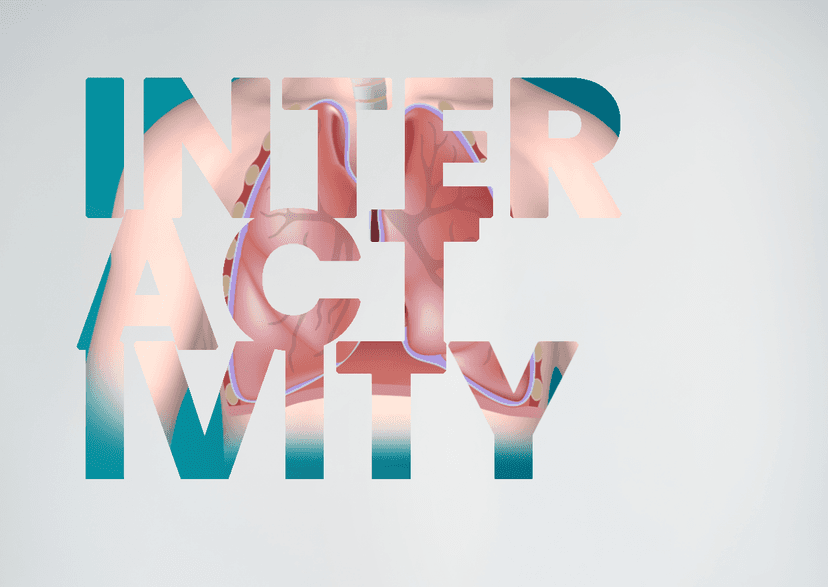
Uncovering the Impact of Moderate COPD Exacerbations
The infographic provides information about the clinical characteristics used to classify moderate COPD exacerbations and the impact of these events on lung function, future risk, and mortality.

Importance of Assessing Multiple Disease Domains in EoE
Prof. Arjan Bredenoord and Dr. Evan Dellon emphasize the need to assess multiple disease domains to get the complete picture of patients’ EoE.
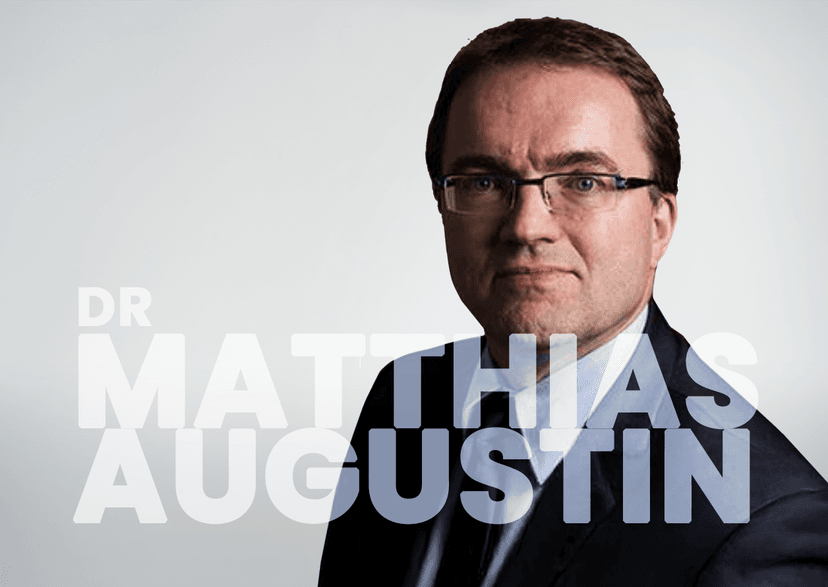
Understanding the Full Scope of PN: Lesions, Dyspigmentation, and Patient Burden
Professor Matthias Augustin details the various clinical manifestations of prurigo nodularis, illustrating how different lesion types can present concurrently in patients.

Understanding IL-33: A Key Factor in COPD Pathogenesis
Explore the role of interleukin (IL)-33 in chronic obstructive pulmonary disease (COPD) pathophysiology and its potential as a therapeutic target.
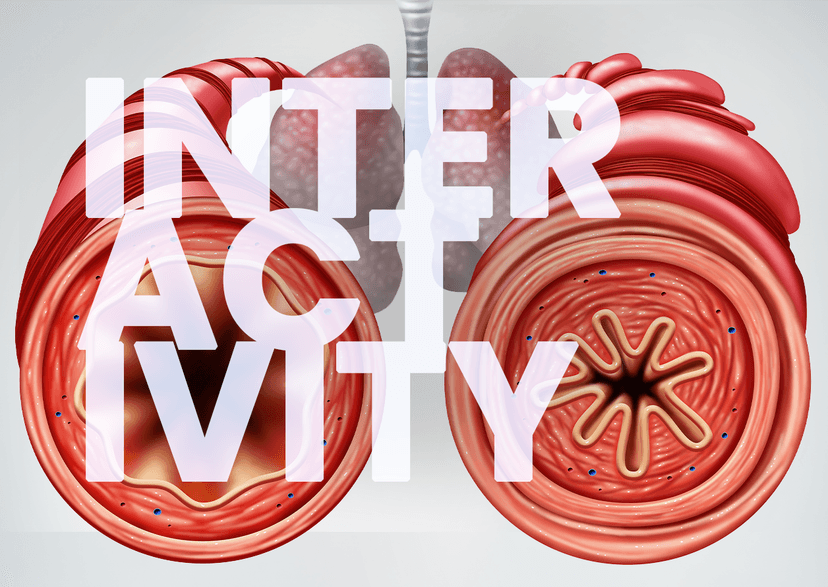
The Compounded Burden of CRSwNP and Asthma
This infographic illustrates the compounded burden of coexisting CRSwNP and asthma and explains how type 2 inflammation underlies both conditions and impacts clinical outcomes in patients.

The Compounded Burden of CRSwNP and Asthma
This infographic illustrates the compounded burden of coexisting CRSwNP and asthma and explains how type 2 inflammation underlies both conditions and impacts clinical outcomes in patients.
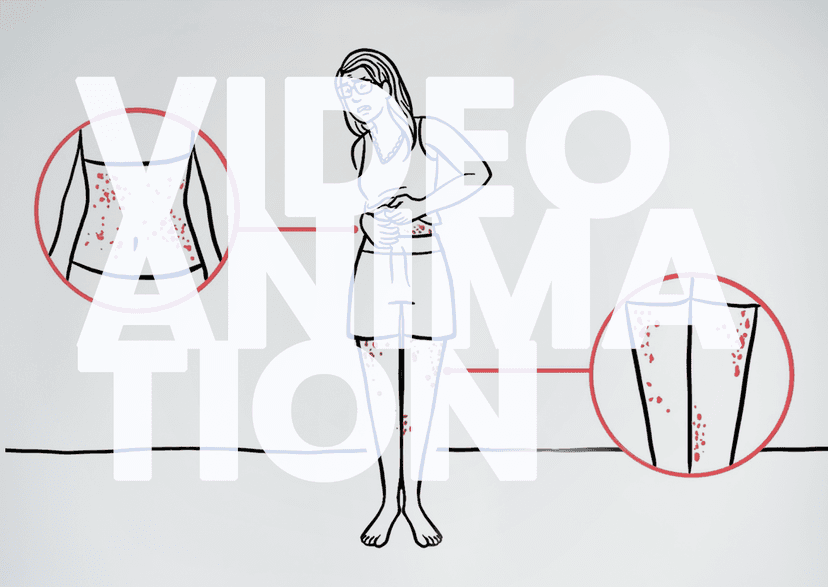
The Burden of Chronic Spontaneous Urticaria: One Patient’s Journey to Diagnosis
Learn about the clinical presentation of CSU and the burden many CSU patients face by following one patient’s journey from symptom presentation to CSU diagnosis in this 5-minute video.
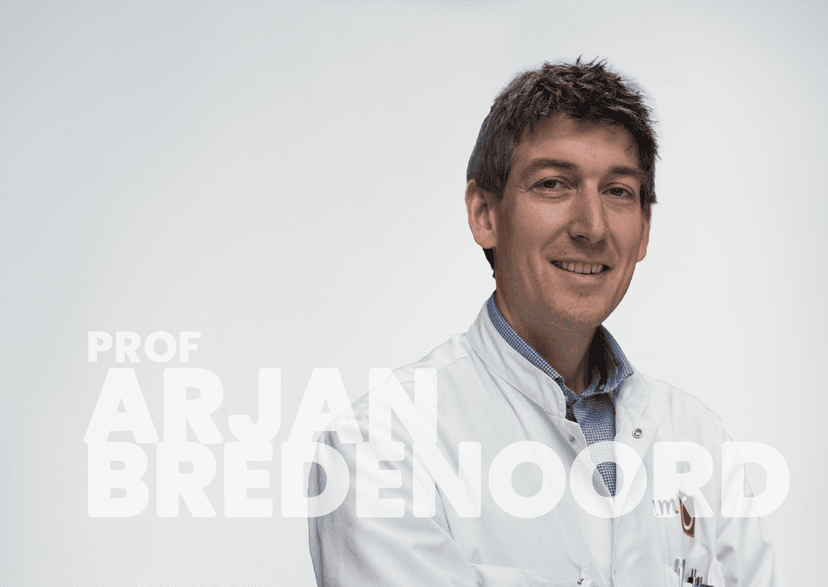
Impact of Delayed EoE Diagnosis on Disease Progression and QoL
Join Prof. Arjan Bredenoord as he discusses the importance of early diagnosis of EoE.

The Role of Type 2 Inflammation Across a Range of Pruritic Skin Diseases in Older Adults
Dr. Butler explores how type 2 inflammation is a common underlying mechanism in several prevalent chronic pruritic skin conditions affecting the elderly, such as CPUO, AD, BP, and PN
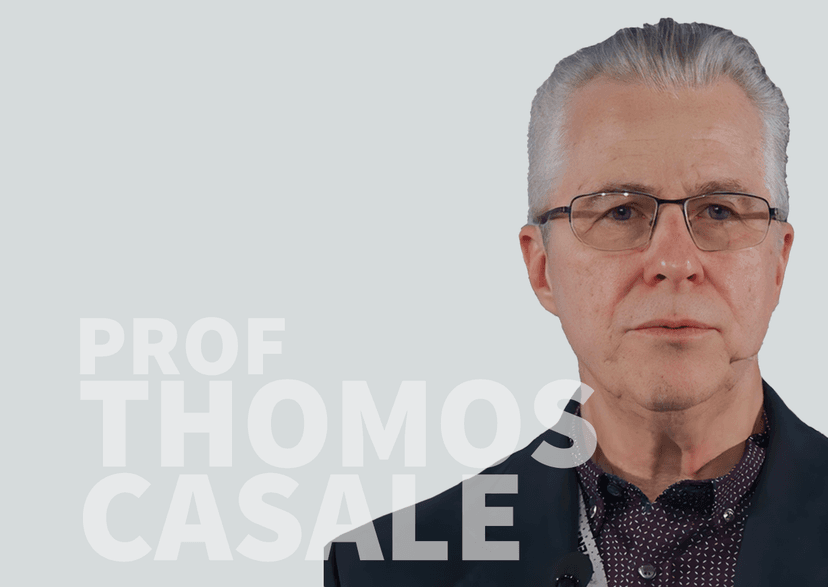
CSU is Associated With a High Burden and Impact on Quality of Life
Dr. Casale discusses delays in diagnosing CSU, the impact of severe itch on daily life and mental health, and the challenges in achieving remission.
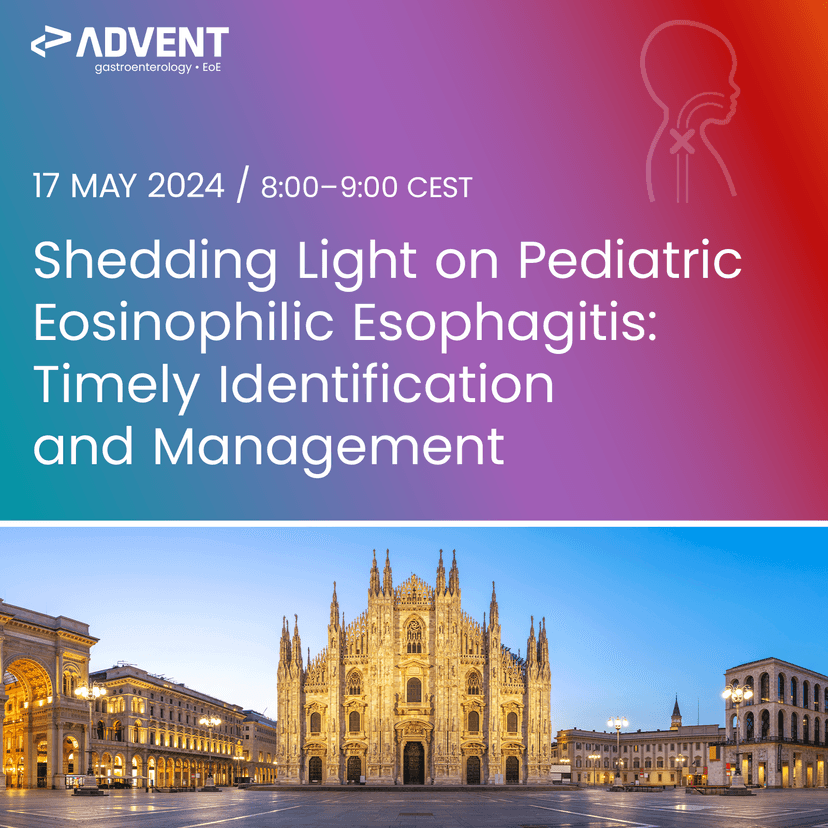
ADVENT at ESPGHAN | Shedding Light on Pediatric Eosinophilic Esophagitis: Timely Identification and Management
Join global experts Prof. Salvatore Oliva and Dr. Dhandapani Ashok for an educational symposium at ESPGHAN, as they discuss the burden and impact of underlying type 2 inflammation in eosinophilic esophagitis (EoE), and the importance of early diagnosis and management in pediatric patients.
