42 search results for: itch

The Puzzle of Itch in Elderly Adults: Putting the Pieces Together
In this webinar, Dr. Butler highlights the complexities of chronic pruritus in older adults, highlighting its prevalence, burden, and the underlying pathophysiological mechanisms, including the role of type 2 inflammation
Prurigo Nodularis Management Goals: From Itch Control to Improved Quality of Life
Tune in as Dr. Sarina Elmariah describes the management goals for patients with prurigo nodularis.
Under the Itchy Surface: The Insidious, Cumulative Burden of Type 2 Inflammation in AD
In this video from the March 2025 ADVENT symposium in Orlando, Florida, Dr. Eric Simpson discusses the systemic nature of atopic dermatitis (AD) and how the disease burden extends beyond the skin. Through the lens of cumulative life course impairment, Dr. Simpson goes on to explore how persistent type 2 inflammation in AD may drive both atopic and nonatopic comorbidities, emphasizing the potential importance of early and effective therapeutic intervention to alter disease progression
Under the Itchy Surface: The Insidious, Cumulative Burden of Type 2 Inflammation in AD
In this soundbite video from the March 2025 ADVENT symposium in Orlando, Florida, Dr. Eric Simpson highlights the systemic nature of atopic dermatitis (AD) and how the disease burden extends beyond the skin. Through the lens of cumulative life course impairment, Dr. Simpson explores how persistent type 2 inflammation in AD may drive both atopic and nonatopic comorbidities, emphasizing the importance of early, effective treatment to alter disease progression.
From Itch to Lesions: The Type 2 Inflammatory Link in AD, PN, and CSU
Dr. David Cotter discusses how atopic dermatitis, chronic spontaneous urticaria, and prurigo nodularis present uniquely in practice—and how type 2 inflammation links these distinct disease states.
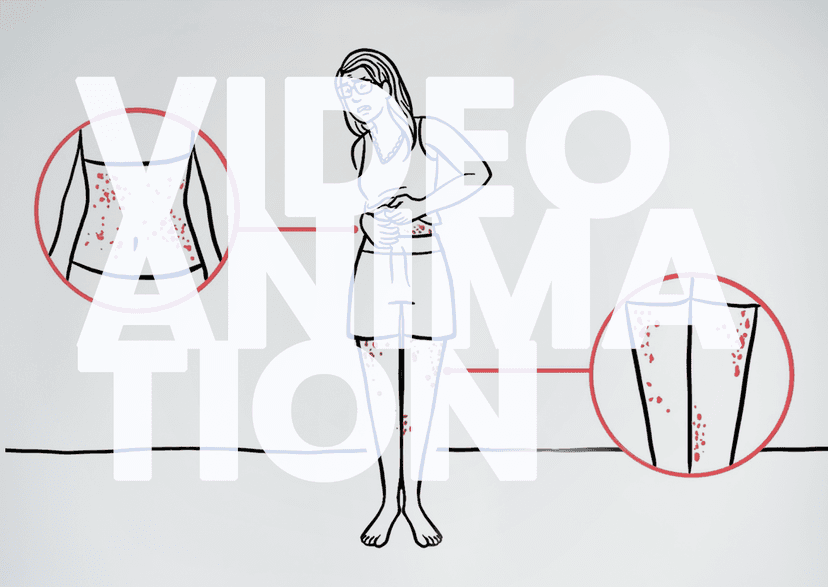
The Burden of Chronic Spontaneous Urticaria: One Patient’s Journey to Diagnosis
Learn about the clinical presentation of CSU and the burden many CSU patients face by following one patient’s journey from symptom presentation to CSU diagnosis in this 5-minute video.
ADVENT at WCI 2025
Join ADVENT for an educational symposium on PN at WCI 2025!

Inside the Hive: Type 2 Inflammatory Pathways in Chronic Spontaneous Urticaria
Join Dr. Jason Hawkes in discussing the burden of CSU and how type 2 inflammation contributes to the development of chronic wheals (hives) and angioedema
Bullous Pemphigoid: Insights and Innovations
Experience this engaging presentation by Dr. Donna Culton, Prof. Dédée Murrell, and Prof. Ulrike Raap, who highlight the heterogeneous clinical presentations of BP and its burden, delve beneath the surface into how autoimmunity and predominantly type 2 inflammation mediate the disease, and explore the evolving toolbox of current approaches in BP management.
Neuroimmune Dysfunction Is Critical in the Pathophysiology of Prurigo Nodularis
Dr. Sarina Elmariah explains the importance of neuroimmune crosstalk in the development of prurigo nodularis.
Prurigo Nodularis: Type 2 Inflammation Links Neuronal Dysfunction and Fibrosis
This infographic highlights how PN is driven by type 2 inflammation, linking immune dysregulation, fibroblast activation, and neuronal dysfunction to nodule formation. It also shows how cytokine-mediated changes in neuronal architecture increase excitability and chronic itch, where resulting lesions and scarring significantly impact patients’ psychological well-being.
