41 search results for: Chronic Spontaneous Urticaria

What Went Wrong? How Dysregulated Type 2 Immunity Contributes to AD, PN, CSU, and BP
This full video presentation of the March 2025 ADVENT cross-dermatology symposium, hosted in Orlando, Florida features Dr. Eric Simpson, Dr. Shawn Kwatra, Dr. Jason Hawkes and Dr. Victoria Werth. The faculty present the latest information around type 2 inflammation and its association with atopic dermatitis (AD), prurigo nodularis (PN), chronic spontaneous urticaria (CSU) and bullous pemphigoid (BP).
The Chronic Nature of CSU: Understanding Disease Duration and Persistence
Dr. Elena Netchiporouk discusses the chronic nature of CSU at EADV 2025.

ADVENT Forum 2025 On Demand page
Watch on-demand expert soundbites recorded at the April 2025 ADVENT Forum in Lisbon, Portugal, featuring dermatology and immunology perspectives on mechanisms and clinical practice. Topics range from disease mechanism to patient care and quality of life, spanning atopic dermatitis (AD), prurigo nodularis (PN), chronic spontaneous urticaria (CSU) and bullous pemphigoid (BP).
A Tale of Two Itches: Bridging the Gap With Type 2 Inflammation in PN and CSU
Join Drs. Elmariah, Kim, and Metz as they explore the latest research on neuro-immune mechanisms driving chronic itch and inflammation in PN and CSU.
The Role of IL-4 and IL-13 in the Pathophysiology of CSU
Dr. Jason Hawkes details the role of IL-4 and IL-13 in the pathophysiology of CSU at EADV 2025
Hives vs. Itch: The Role of Type 2 Inflammation in Itch in CSU
Join Dr. Kim as he explores the pathogenesis of CSU and the mechanisms that promote itch in CSU. The complex interplay of type 2 inflammation in CSU is examined, offering insights into its unique challenges for patients and clinicians alike.
AD, PN, and CSU: Similar Inflammation, Distinct Itch
In this final video, Dr. Kim compares the shared and distinct pathophysiological features that drive itch in AD, PN, and CSU. He ties together the knowledge from earlier episodes, highlighting the similarities and differences in the mechanisms of itch across these diseases.
Diagnosing CSU: Hives, Angioedema, and Differential Diagnosis
Dr. Elena Netchiporouk illustrates key considerations for diagnosing CSU at EADV 2025.
Expert Interview with Dr Jason Hawkes
Join Dr. Hawkes as he discusses what burdens and challenges CSU patients might expect and help identify that there are immune functions responsible for their symptoms not an external cause.
The Clinical Presentation of CSU is Heterogeneous
Dr Hawkes provides an overview of the distinctive characteristics of wheals and angioedema in clinical manifestation
Broadening the Lens: Clinical and Immunological Insights That Inform CSU Management
Professors Netchiporouk and Hawkes discuss the clinical features and pathophysiology of CSU, at EADV 2025.
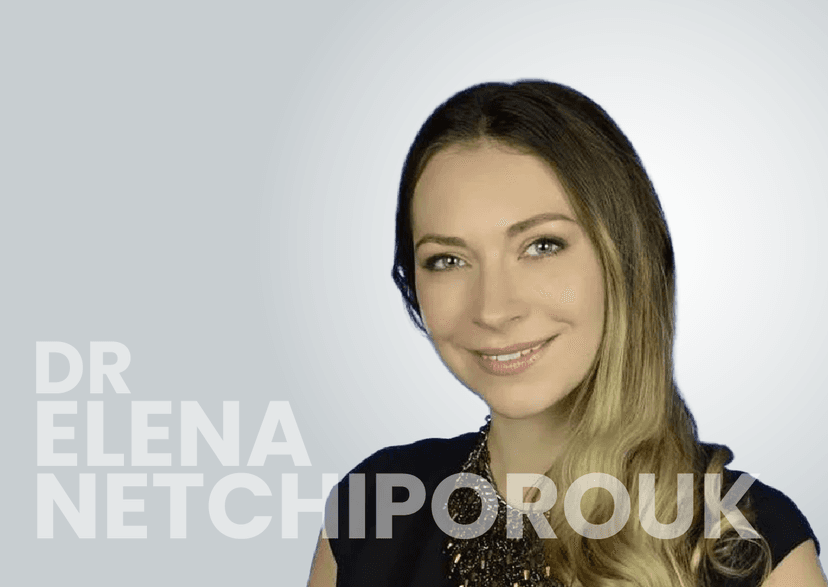
Heterogeneity and Unpredictability: Challenges With the Diagnosis and Evaluation of CSU
In this video from EADV 2025, Dr. Netchiporouk discusses the clinical features, diagnosis, and burden of CSU
