223 search results for: Burden of Disease
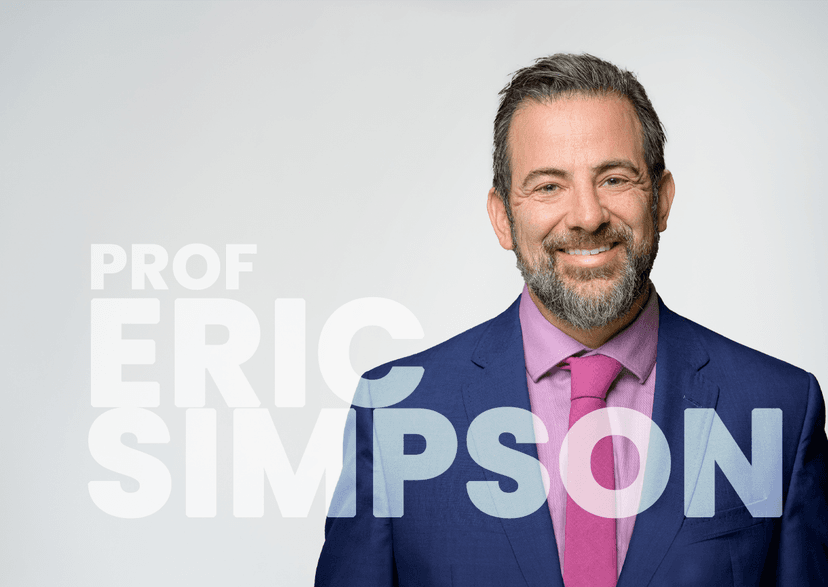
Under the Itchy Surface: The Insidious, Cumulative Burden of Type 2 Inflammation in AD
In this video from the March 2025 ADVENT symposium in Orlando, Florida, Dr. Eric Simpson discusses the systemic nature of atopic dermatitis (AD) and how the disease burden extends beyond the skin. Through the lens of cumulative life course impairment, Dr. Simpson goes on to explore how persistent type 2 inflammation in AD may drive both atopic and nonatopic comorbidities, emphasizing the potential importance of early and effective therapeutic intervention to alter disease progression
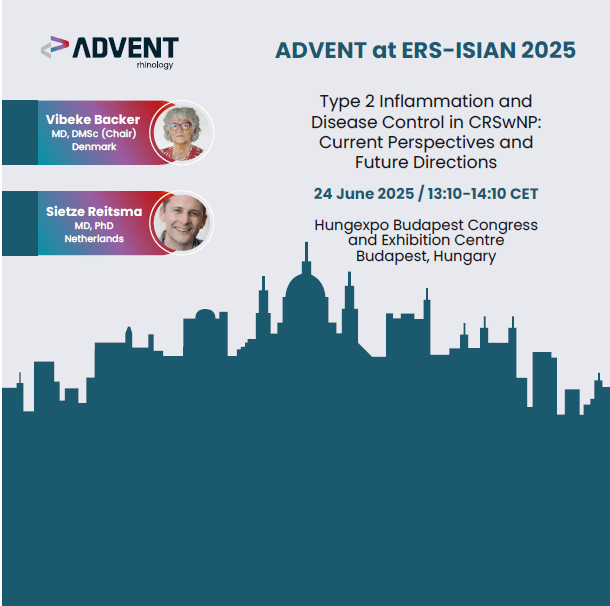
ERS-ISIAN 2025 | Type 2 Inflammation and Disease Control in CRSwNP: Current Perspectives and Future Directions
In this educational presentation, Profs. Vibeke Backer and Sietze Reitsma cover key aspects of type 2 inflammation and its role in the pathogenesis and management of CRSwNP and practical strategies for optimizing disease control and improving patient outcomes.

The Burden of AD: More Than Skin Deep
Learn how the multidimensional, cumulative burdens of atopic dermatitis extend beyond the skin and across multiple organ systems, manifesting as atopic and non-atopic comorbidities. Even when an individual is performing well in spite of these burdens, they may still have significant life course impairment due to the cumulative impact of the disease.

Unpacking the Significant Burdens of Atopic Dermatitis
Dr. Lawrence Eichenfield shares the cumulative burdens faced by patients with atopic dermatitis.

Understanding the Clinical Impact of Mucus Plugs in COPD
Understand the pathophysiology and clinical relevance of mucus plugs in COPD that ultimately contribute to worse outcomes for patients.
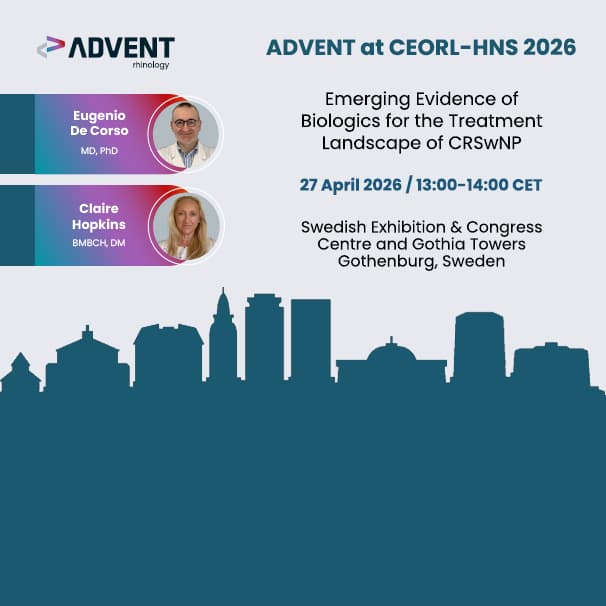
ADVENT at CEORL-HNS 2026
Join Sanofi and Regeneron for an educational symposium on type 2 inflammation, patient characteristics predictive of disease recurrence, and emerging real-world evidence for biologics in CRSwNP.

Pediatric EoE Disease Burden Infographic
Learn about pediatric EoE disease burden and why early identification is key for pediatric patients with EoE

Decoding the Clinical Puzzle: Navigating Diagnostic Complexity Across Inflammatory Skin Diseases
Dr Sarina Elmariah highlights the clinical challenges in diagnosing inflammatory skin diseases, using prurigo nodularis as a case study. Drs Culton, Eichenfield, and Hawkes then join in to discuss additional challenges and complexities when diagnosing other skin diseases.
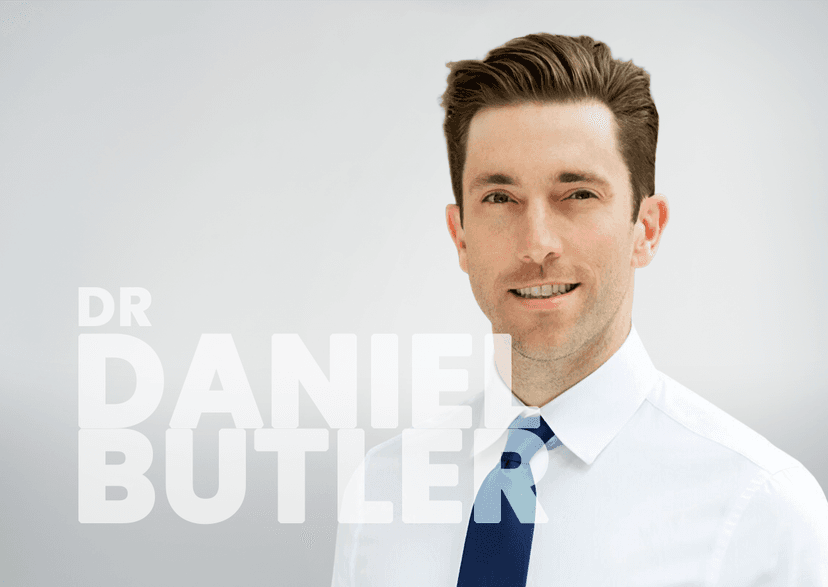
The Puzzle of Itch in Elderly Adults: Putting the Pieces Together
In this webinar, Dr. Butler highlights the complexities of chronic pruritus in older adults, highlighting its prevalence, burden, and the underlying pathophysiological mechanisms, including the role of type 2 inflammation
The Puzzle of Itch in Elderly Adults: Putting the Pieces Together
In this webinar, Dr. Butler highlights the complexities of chronic pruritus in older adults, highlighting its prevalence, burden, and the underlying pathophysiological mechanisms, including the role of type 2 inflammation
ADVENT On Air | More Than Just Difficulty Swallowing: EoE Burden and Diagnosis
Hear Dr. Wechsler and Prof. Bredenoord discuss the multifaceted burden of EoE and how to overcome challenges in identifying EoE in clinical practice.
ADVENT on Air: OCS in CRSwNP Podcast
Listen to experts, Dr. Amber Luong and Dr. Marjolein Cornet, discuss the significant burden of oral corticosteroid (OCS) use in chronic rhinosinusitis with nasal polyps (CRSwNP) and its short-term, long-term, and cumulative risks, particularly for patients with coexisting conditions like asthma. Experts highlight the need for improved multidisciplinary approaches and OCS-sparing strategies to optimize patient care.
