40 search results for: IL-4
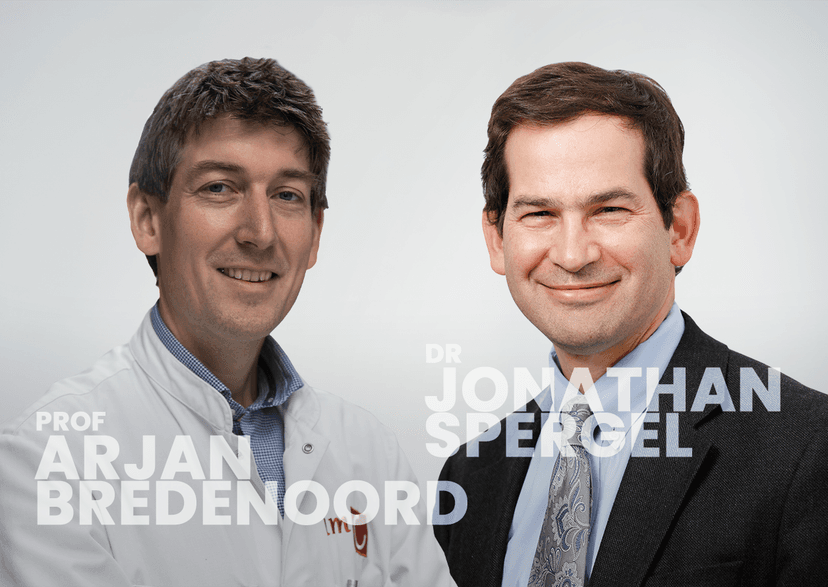
Complex EoE Pathophysiology Beyond Esophageal Eosinophilia
Dr. Jonathan Spergel and Prof. Arjan Bredenoord highlight the importance of different immune cells in type 2 inflammation in EoE.
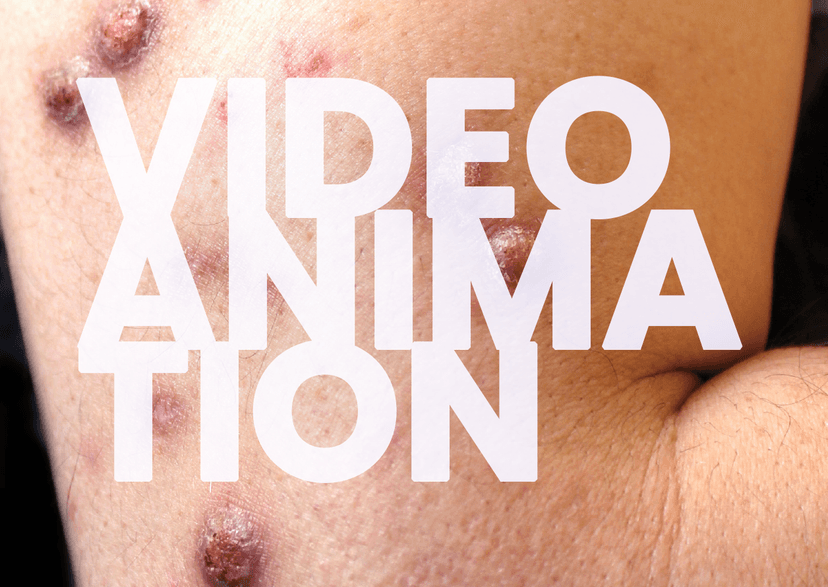
The Pathophysiology of Prurigo Nodularis
An infographic exploring the pathophysiology of prurigo nodularis and the role of type 2 inflammation.
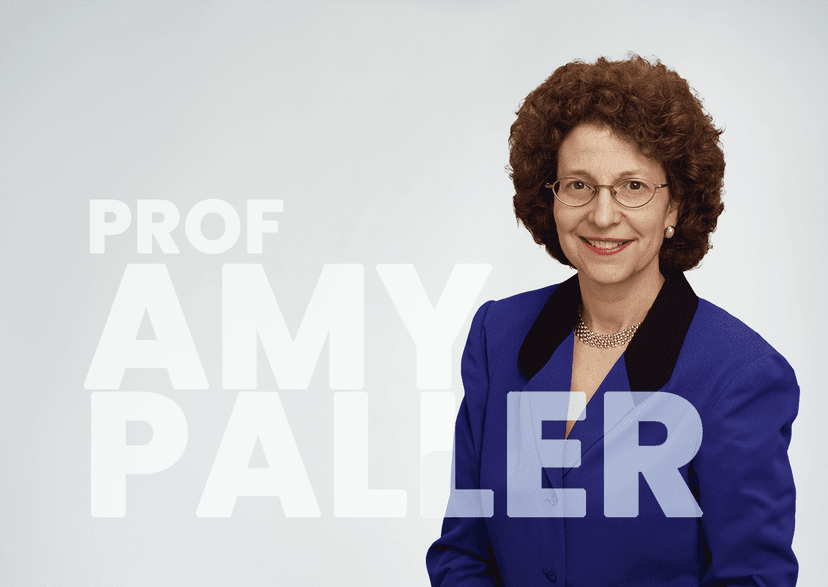
KOL Video Interview – Dr Amy Paller
In this exclusive video interview, Dr Amy Paller discusses two topics: 1) The importance of CCL17 (TARC) as a biomarker in pediatric patients with AD, and 2) How IL-4 and IL-13 contribute to skin barrier dysfunction in AD.

Unraveling the Link of Type 2 Inflammation and Airway Remodeling in Asthma
Join Dr. Celeste Porsbjerg as she discussed on how type 2 inflammation may lead to airway remodeling in asthma, exploring the pathophysiologic mechanisms, that ultimately lead to structural changes and irreversible loss of lung function
Exploring the Potential Role of Biomarkers in Managing Bullous Pemphigoid
Dr. Donna Culton discusses biomarkers in bullous pemphigoid and considers their potential clinical use.

The Type 2 Interface: Unifying AD, CSU, and PN Pathophysiology and Dispelling Common Misconceptions
This symposium highlights the central role of type 2 inflammation in atopic dermatitis, prurigo nodularis, and chronic spontaneous urticaria and dismantles prevalent scientific misconceptions about these inflammatory skin conditions with lively discussion from Drs Jason Hawkes, Lakshi Aldredge and Diego Dasilva.
Challenging Misconceptions for Better Patient Care in AD and PN: Insight into Type 2 Inflammation
This symposium explores the key role type 2 inflammation plays in atopic dermatitis and prurigo nodularis and debunks common misconceptions about these skin diseases with key insights from Drs Ahuva Cices and Naiem Issa.
The Type 2 Inflammatory Link in AD, CSU, and PN
Dr. Jason Hawkes explores the unique clinical manifestations of atopic dermatitis, chronic spontaneous urticaria, and prurigo nodularis, while highlighting the shared role of type 2 inflammation across these distinct diseases.
From Symptoms to Signaling: Type 2 Inflammation Underlying AD/PN
Dr. Naiem Issa examines the shared and distinct features of atopic dermatitis and prurigo nodularis, highlighting the role of type 2 inflammation in both diseases.
Shedding Light on PN: Confronting Misconception
Dr. Naiem Issa debunks common misconceptions in prurigo nodularis with key clinical insights.
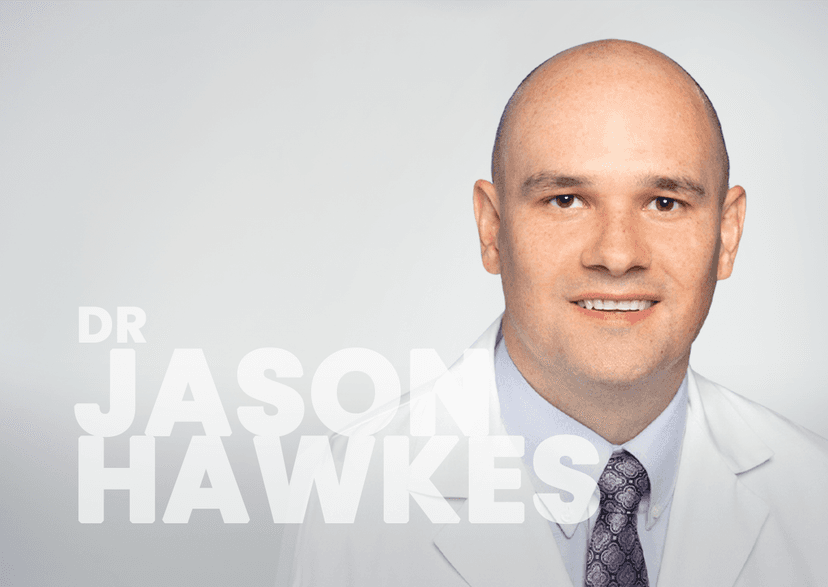
Misconception on AD Pathomechanisms
Dr. Jason Hawkes provides key pathophysiologic insights and debunks common misconceptions surrounding atopic dermatitis.
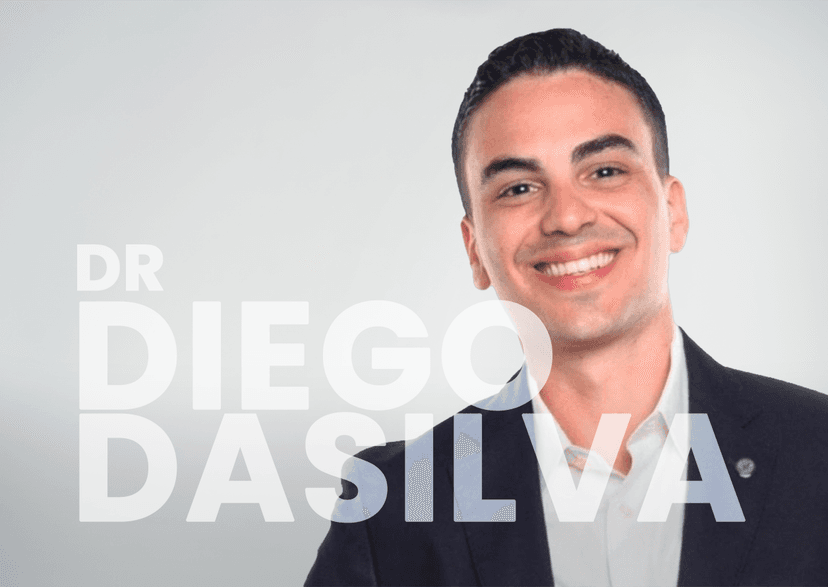
Clarifying CSU: Separating Facts from Misconceptions
Dr. Diego Dasliva untangles popular misconceptions surrounding chronic spontaneous urticaria.
