76 search results for: symptoms

Assessing EoE: Assessing Symptoms in Patients With EoE
Join Dr. Nirmala Gonsalves as she reviews symptoms of EoE and tools to assess symptoms in patients with EoE.

Identifying BP: How do symptoms of BP and their severity alter patient diagnosis?
Dr. Victoria Werth explains how diagnosing BP can pose many difficulties in patients due to the variation of symptoms and symptom severity. Dr. Werth also discusses what burden and challenges BP patients might expect as a result.
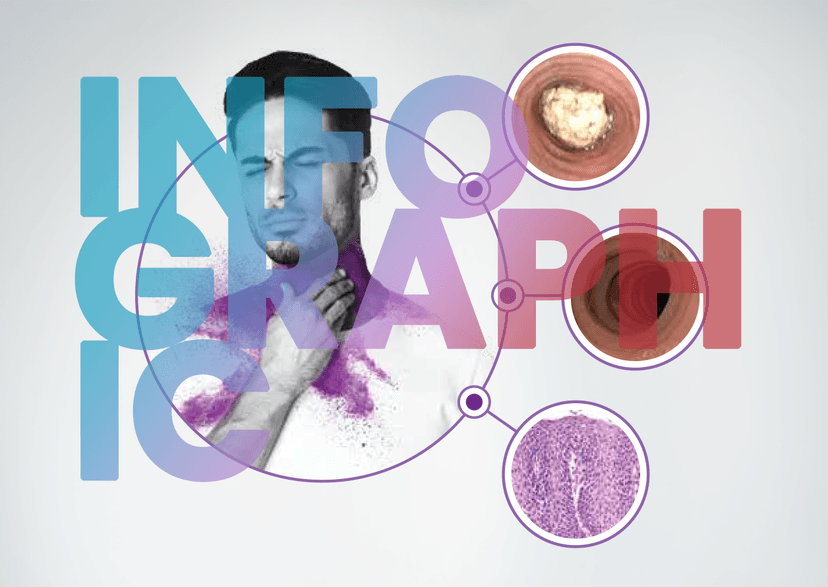
Importance of Assessing Key Disease Domains in EoE Infographic
Learn about the importance of assessing key disease domains in EoE by focusing on symptoms, QoL, endoscopy, and histology.

UEGW 2024 | WHAT Can Be Used to Monitor Treatment Response in EoE and WHEN?
Dr. Milli Gupta emphasizes the need to regularly monitor multiple disease domains when assessing treatment response, not just EoE symptoms.

EoE Pocket Guide
The digital EoE Pocket Guide is an at-your-fingertips resource on symptoms and adaptive behaviors, EREFS scoring, and histologic features in EoE.

Beyond Signs and Symptoms: Broadening Treatment Goals in Dermatology
Dr Lawrence Eichenfield explores the broadening of treatment goals for long-term disease control, highlighting the importance of this approach in atopic dermatitis. Drs Culton, Elmariah, and Hawkes expand the discussion to further examine specific management goals unique to each skin disease (bullous pemphigoid, prurigo nodularis, and chronic spontaneous urticaria).
From Symptoms to Signaling: Type 2 Inflammation Underlying AD/PN
Dr. Naiem Issa examines the shared and distinct features of atopic dermatitis and prurigo nodularis, highlighting the role of type 2 inflammation in both diseases.

Diagnosis and Clinical Manifestations of Bullous Pemphigoid
Join Dr. Meijer as he highlights the signs and symptoms of bullous pemphigoid, and the importance of accurate and prompt diagnosis.

ERS 2025 | The Knowns and Unknowns in the COPD Landscape
Join Profs. Dave Singh and Klaus Rabe as they examine the clinical relevance of exacerbations, lung function, symptoms, quality of life, and comorbidities in COPD, as well as the evolving concept of disease stability and what that could mean for treatment planning and the future of COPD care.
ADVENT On Air | Dysphagia in EoE: How Can You See Beyond Patients’ Adaptive Behaviors?
Learn from Dr. Hirano and Dr. Marcon as they discuss how to unmask EoE symptoms that may be hidden by patients' coping mechanisms.

Expert Interview with Dr Jason Hawkes
Join Dr. Hawkes as he discusses what burdens and challenges CSU patients might expect and help identify that there are immune functions responsible for their symptoms not an external cause.

Understanding the Clinical Impact of Mucus Plugs in COPD
Understand the pathophysiology and clinical relevance of mucus plugs in COPD that ultimately contribute to worse outcomes for patients.
