117 search results for: chronic inflammation
The Role of IL-4 and IL-13 in the Pathophysiology of CSU
Dr. Jason Hawkes details the role of IL-4 and IL-13 in the pathophysiology of CSU at EADV 2025

COPD and Asthma: What's the Difference and Is There a Link?
Explore the characteristics of COPD and asthma, focusing on their shared inflammatory mechanisms and key clinical differences.
ADVENT On Air | Expert Discussions in Dermatology
Listen to the latest updates in type 2 inflammatory science and associated skin diseases, brought to you by leading dermatology experts in the field. ADVENT On Air podcasts feature scientific conversations that explore new research into the pathophysiology, clinical features, and disease burden for a range of dermatological diseases linked to type 2 inflammation, including atopic dermatitis (AD) and prurigo nodularis (PN). Hear new insights revealed through expert-led conversations below or in your preferred podcast app.


ERS 2024 | Understanding the Complex Pathophysiology of COPD
Professor Klaus Rabe delves into the intricate inflammatory pathways and cellular mechanisms that drive the development and progression of COPD.
ERS 2024 | What Do We Know About IL-33 Genetics?
Dr. Stephanie Christenson examines the genetic and environmental factors influencing IL-33 expression and activity in COPD, highlighting the complex interplay between genetics, smoking, and disease pathogenesis.
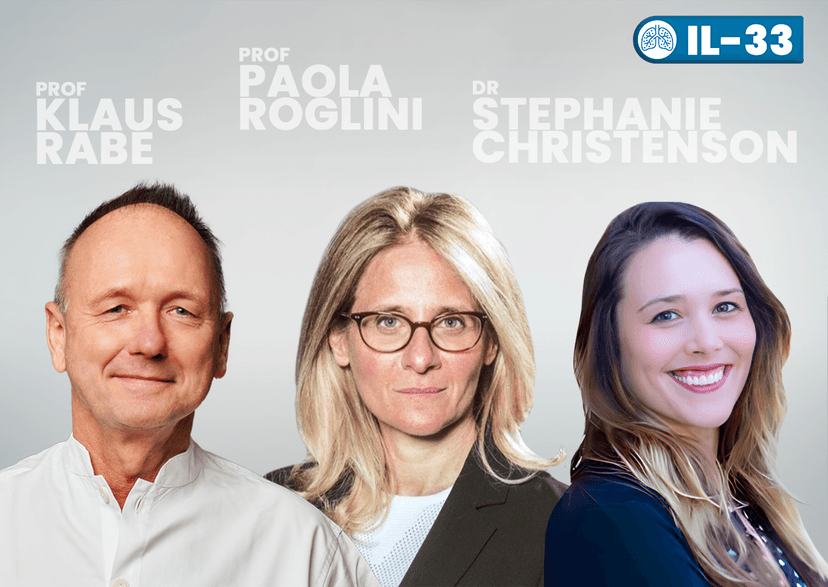
ERS 2024 | Targeting IL-33 in COPD: Exploring New Frontiers for COPD Management
Professors Klaus Rabe, Paola Rogliani, and Dr. Stephanie Christenson explore the complexity of inflammatory pathways and phenotypes in COPD. They provide insights into the genetic association of IL-33 with COPD, and discuss preclinical findings.
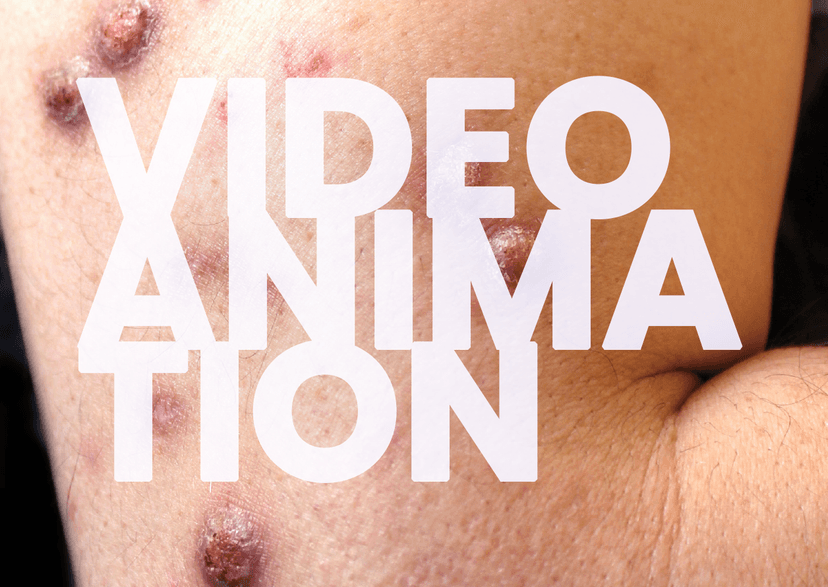
The Pathophysiology of Prurigo Nodularis
An infographic exploring the pathophysiology of prurigo nodularis and the role of type 2 inflammation.
Assessment of Smell Loss in CRSwNP Interactive Infographic
Use this educational tool to explore the daily burden of loss of smell for patients with CRSwNP.

The Role of IL-4 and IL-13 in CSU
The pathophysiology of chronic spontaneous urticaria (CSU) is complex and involves mast cell degranulation and elements of type 2 inflammation. Learn more about the role of mast cells, basophils, and type 2 inflammatory cells and cytokines involved in the pathophysiology of CSU.
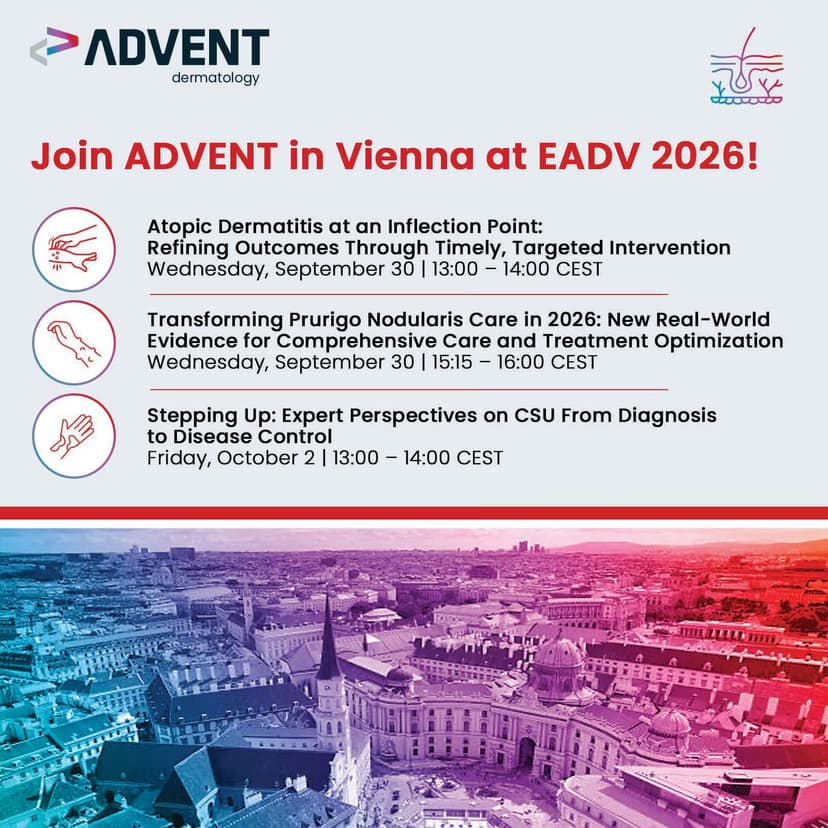
ADVENT at EADV 2026
Please join the ADVENT program at EADV 2026 for educational sessions on AD, PN, and CSU!

ADVENT at ERS 2026
Join Sanofi and Regeneron for four educational symposia on asthma, COPD, and the unified airway.
Understanding the Full Scope of PN: Lesions, Dyspigmentation, and Patient Burden
Professor Matthias Augustin details the various clinical manifestations of prurigo nodularis, illustrating how different lesion types can present concurrently in patients.
