76 search results for: mechanism of disease

What Went Wrong? How Dysregulated Type 2 Immunity Contributes to AD, PN, CSU, and BP
The March 2025 ADVENT symposium in Orlando, Florida brought together 4 dermatology experts to explore the evolving science of type 2 inflammation. Type 2 inflammation plays a central role in the pathophysiology of multiple dermatological diseases, driving chronic immune dysregulation that affects patients with atopic dermatitis (AD) prurigo nodularis (PN), chronic spontaneous urticaria (CSU) and bullous pemphigoid (BP). Understanding the mechanisms behind type 2 inflammation is key to advancing care and improving patient quality of life.
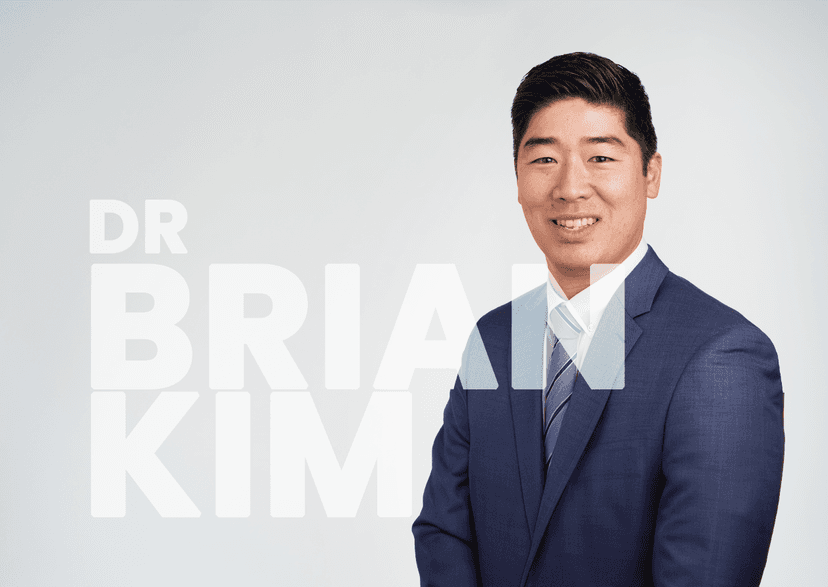
Demystifying CPUO: Diagnosis and the Role of Type 2 Inflammation
Join Dr. Brian Kim in discussing the diagnosis of CPUO and the role of type 2 inflammation in disease pathophysiology.
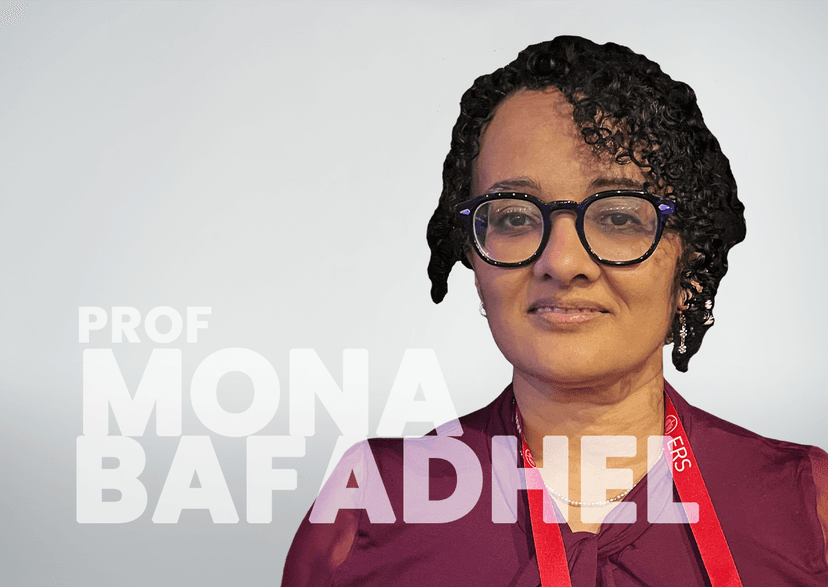
ERS 2024 | Unraveling the Role of Type 2 Inflammation in COPD
Professor Mona Bafadhel presents a comprehensive overview of type 2 inflammation in COPD, exploring its underlying mechanisms, clinical manifestations, and implications for patient outcomes.

Prurigo Nodularis (PN): Understanding Its Clinical Features, Complex Burden, and Underlying Mechanisms
Explore the clinical features, complex burden, and underlying mechanisms of PN.
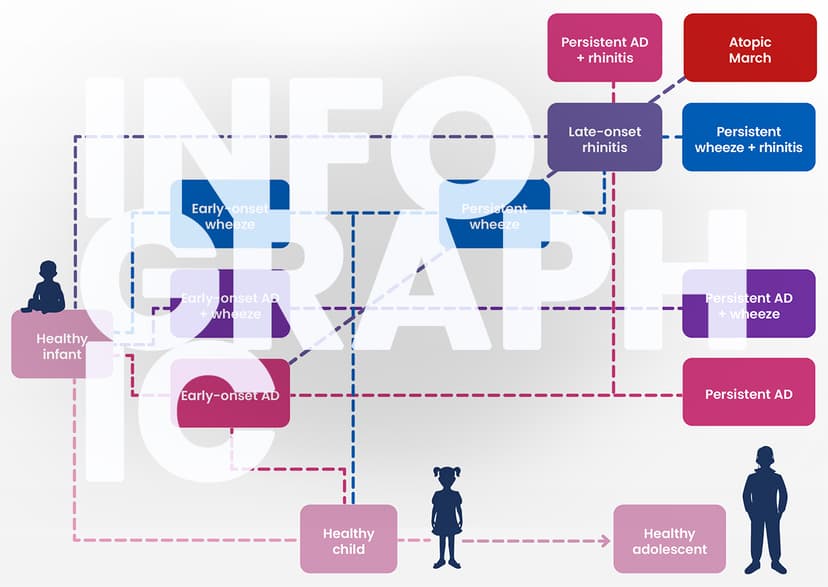
The Role of Type 2 Inflammation in Multiple Disease Trajectories
How type 2 inflammation drives atopic dermatitis and underlies other atopic diseases across multiple disease trajectories including the atopic march.
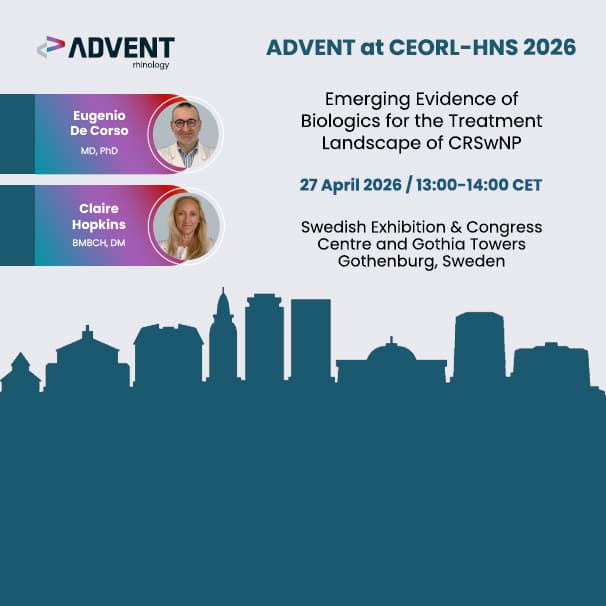
CEORL-HNS 2026 | Emerging Evidence of Biologics for the Treatment Landscape of CRSwNP
Join Sanofi and Regeneron for an educational symposium on type 2 inflammation, patient characteristics predictive of disease recurrence, and emerging real-world evidence for biologics in CRSwNP.
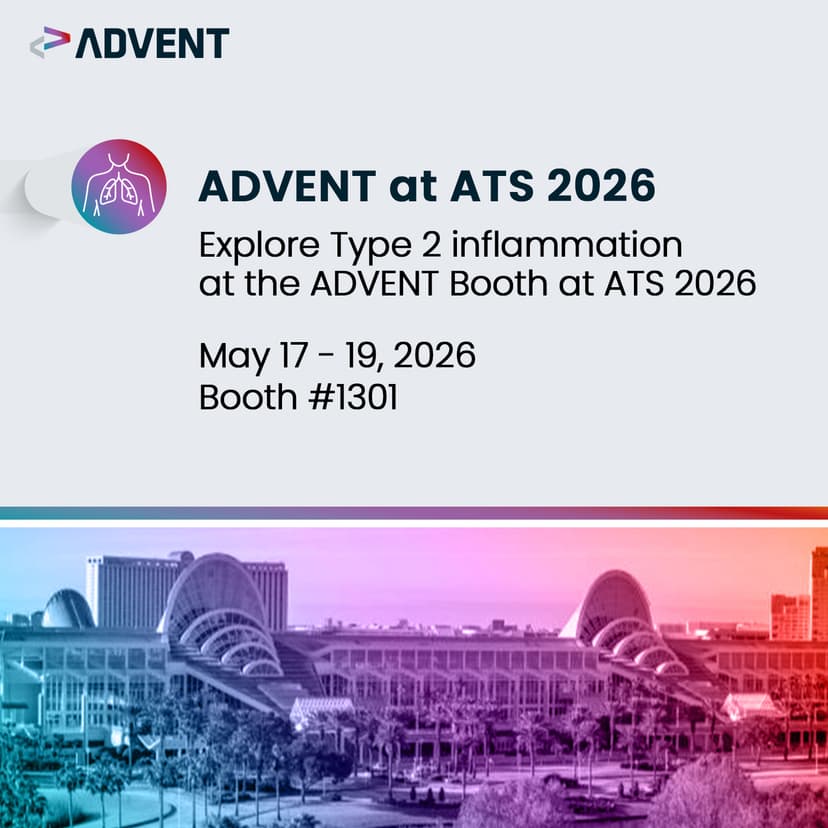
ADVENT at ATS 2026
At ATS 2026, the Sanofi & Regeneron ADVENT Booth brings together interactive experiences and educational resources to explore Type 2 inflammation as a key feature underlying both asthma and COPD.

Emerging Perspectives on the Disease Burden and Management of Children with Atopic Dermatitis
Join Christine Bangert and Perla Lansang for an educational symposium on atopic dermatitis (AD) in children, exploring the diagnosis and pathophysiology of AD in children, the life-long effects of uncontrolled disease beyond the skin, and current and emerging therapies.
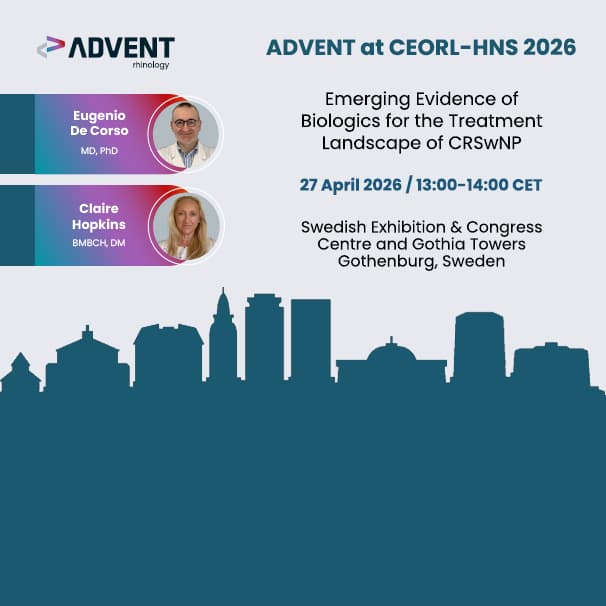
ADVENT at CEORL-HNS 2026
Join Sanofi and Regeneron for an educational symposium on type 2 inflammation, patient characteristics predictive of disease recurrence, and emerging real-world evidence for biologics in CRSwNP.
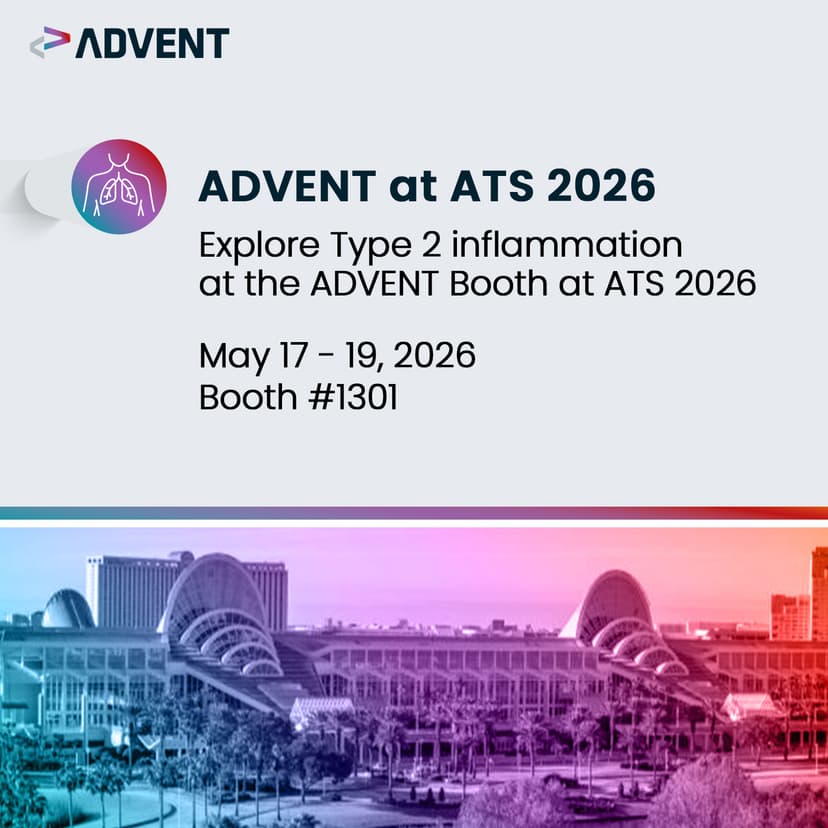
ADVENT at ATS 2026
At ATS 2026, the Sanofi & Regeneron ADVENT Booth #1301 brings together interactive experiences and educational resources to explore Type 2 inflammation as a key feature underlying both asthma and COPD.

Key Pathophysiological Mechanisms of Chronic Spontaneous Urticaria Are Driven by Type 2 Inflammation
Join Dr. Jason Hawkes as he explains the importance of type 2 inflammation in chronic spontaneous urticaria.
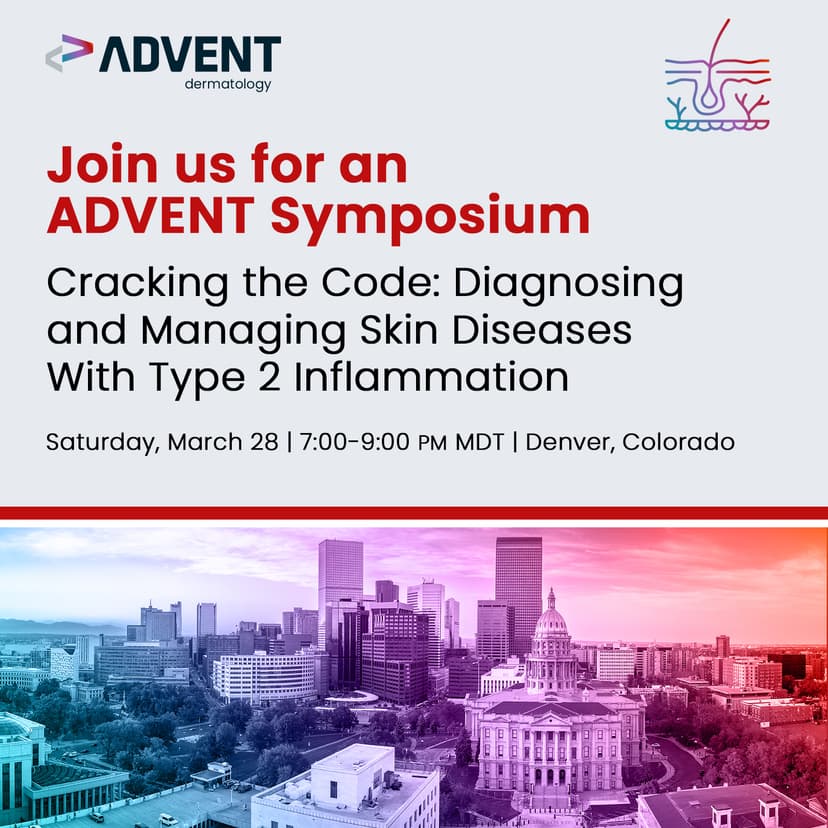
Cracking the Code: Diagnosing and Managing Skin Diseases With Type 2 Inflammation
This 2-hour educational program delves into the pivotal role of type 2 inflammation in diverse skin conditions, including atopic dermatitis, prurigo nodularis, bullous pemphigoid, and chronic spontaneous urticaria. It will highlight both shared and distinct disease mechanisms and patient burdens, providing crucial insights for optimizing clinical management strategies. Experts will guide the audience through diverse patient cases to illuminate diagnostic nuances and the pathophysiology of each condition. These cases will also highlight the importance of shared decision-making and the broadening of treatment goals beyond symptom control. Dynamic panel discussion and active audience participation will be facilitated through real-time polling and curated Q&A sessions.
