121 search results for: chronic inflammation
Cracking the Code: Diagnosing and Managing Skin Diseases With Type 2 Inflammation
This 2-hour educational program delves into the pivotal role of type 2 inflammation in diverse skin conditions, including atopic dermatitis, prurigo nodularis, bullous pemphigoid, and chronic spontaneous urticaria. It will highlight both shared and distinct disease mechanisms and patient burdens, providing crucial insights for optimizing clinical management strategies. Experts will guide the audience through diverse patient cases to illuminate diagnostic nuances and the pathophysiology of each condition. These cases will also highlight the importance of shared decision-making and the broadening of treatment goals beyond symptom control. Dynamic panel discussion and active audience participation will be facilitated through real-time polling and curated Q&A sessions.
A Tale of Two Itches: Bridging the Gap With Type 2 Inflammation in PN and CSU
Join Drs. Elmariah, Kim, and Metz as they explore the latest research on neuro-immune mechanisms driving chronic itch and inflammation in PN and CSU.

The Path to Nodules: Type 2 Inflammation at the Core of Chronic Itch and Fibrosis in Prurigo Nodularis
Join Dr. Shawn Kwatra in discussing the diverse clinical presentations of PN and the role of type 2 inflammation in disease pathogenesis.

The Role of Type 2 Inflammation Across a Range of Pruritic Skin Diseases in Older Adults
Dr. Butler explores how type 2 inflammation is a common underlying mechanism in several prevalent chronic pruritic skin conditions affecting the elderly, such as CPUO, AD, BP, and PN

EoE Burden and Pathophysiology of Type 2 Inflammation
Learn about the significant burden that patients with EoE experience, and the role of type 2 inflammation in this chronic, progressive disease.

Skin Barrier Dysfunction and Type 2 Inflammation in Atopic Dermatitis
Learn more about how the exaggerated immune response due to chronic and systemic type 2 inflammation contributes to skin barrier dysfunction in atopic dermatitis
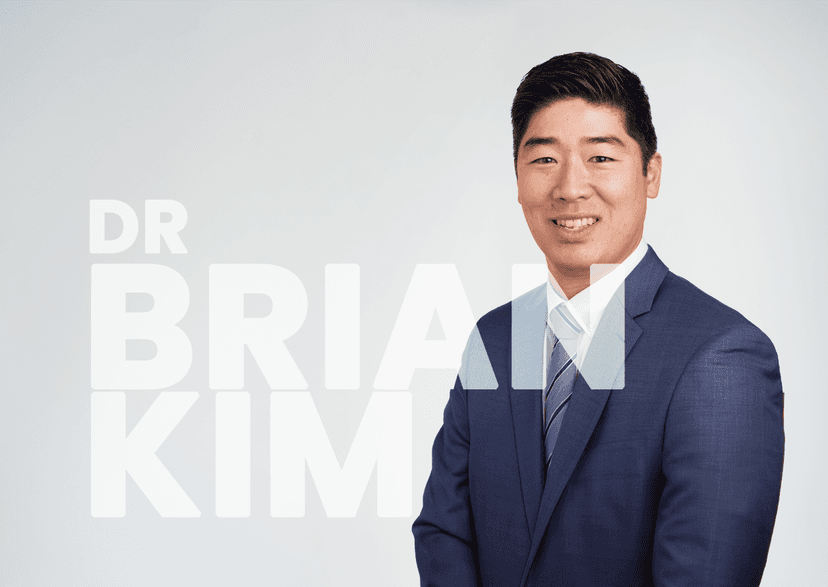
Distinct Mechanisms Drive Inflammation and Itch in Chronic, Type 2 Inflammatory Diseases
In this soundbite video from the April 2025 ADVENT Forum in Lisbon, Portugal, Dr Brian Kim provides an overview of itch in type 2 inflammatory skin diseases and explains how the shared and unique mechanisms that drive inflammation and itch mediate each disease in distinct ways.
Gastro Forum 2025 | EoE: How Far We've Come
Prof. Salvatore Oliva and Dr. Milli Gupta discuss the evolution in understanding EoE and the impact of chronic, underlying type 2 inflammation.
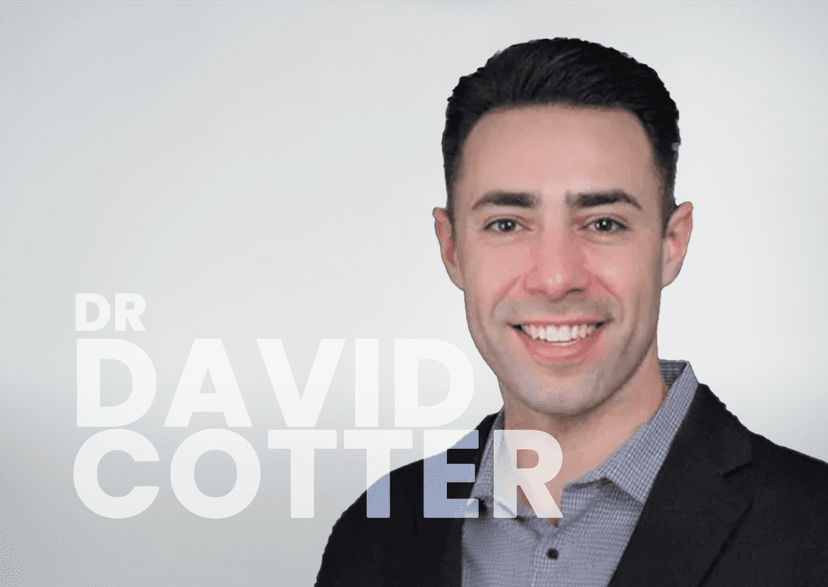
From Itch to Lesions: The Type 2 Inflammatory Link in AD, PN, and CSU
Dr. David Cotter discusses how atopic dermatitis, chronic spontaneous urticaria, and prurigo nodularis present uniquely in practice—and how type 2 inflammation links these distinct disease states.

The Type 2 Inflammatory Link in AD, CSU, and PN
Dr. Jason Hawkes explores the unique clinical manifestations of atopic dermatitis, chronic spontaneous urticaria, and prurigo nodularis, while highlighting the shared role of type 2 inflammation across these distinct diseases.

The Science Behind the Scratch: Pathophysiology of Age-Related Itch
Dr. Butler delves into the multifaceted biological mechanisms, including type 2 inflammation, that drive chronic pruritus in older adults. He explains how age-related changes contribute to epidermal barrier dysfunction, neuropathic damage, and immune decline, leading to chronic pruritus.

The Type 2 Interface: Unifying AD, CSU, and PN Pathophysiology and Dispelling Common Misconceptions
This symposium highlights the central role of type 2 inflammation in atopic dermatitis, prurigo nodularis, and chronic spontaneous urticaria and dismantles prevalent scientific misconceptions about these inflammatory skin conditions with lively discussion from Drs Jason Hawkes, Lakshi Aldredge and Diego Dasilva.
