171 search results for: Pathophysiology
Type 2 Cytokines Have Multiple Critical Roles in BP That Contribute to Inflammation and Itch
In this soundbite video from the April 2025 ADVENT Forum in Lisbon, Portugal, Prof. Enno Schmidt highlights the role of type 2 cytokines involved in the dysregulated Type 2 immune responses that contribute to inflammation and subsequent itch in bullous pemphigoid.
Itch in Prurigo Nodularis
In this soundbite video from the April 2025 ADVENT Forum in Lisbon, Portugal, Dr Brian Kim discuss the burdensome itch in prurigo nodularis, the multifactorial etiology of the disease, and the multiple pathological factors that contribute to chronic itch and skin inflammation in PN.
Which Biomarkers of AD Might Be Robust Enough to Be Evaluated as a Measure of Disease Modification?
In this soundbite video from the April 2025 ADVENT Forum in Lisbon, Portugal, Prof. Oscar Palomares reviews the cellular and molecular pathways underlying atopic dermatitis and considers which biomarkers may one day serve as robust measures of disease modification, despite no validated options currently being available.
Underlying Type 2 Inflammation Drives a Chronic Itch-Scratch Cycle in Atopic Dermatitis
In this soundbite video from the April 2025 ADVENT Forum in Lisbon, Portugal, Dr. Brian Kim explains how underlying type 2 inflammation sustains the chronic itch-scratch cycle in atopic dermatitis, highlighting the interplay of barrier dysfunction, cytokine signaling, and neuronal activation.

Managing the Risk of Fibrostenosis in EoE
Hear from Drs. Jason Lee, Kathryn Peterson, Seema Aceves, and Ikuo Hirano on disease progression and the importance of managing fibrostenotic risk in EoE.
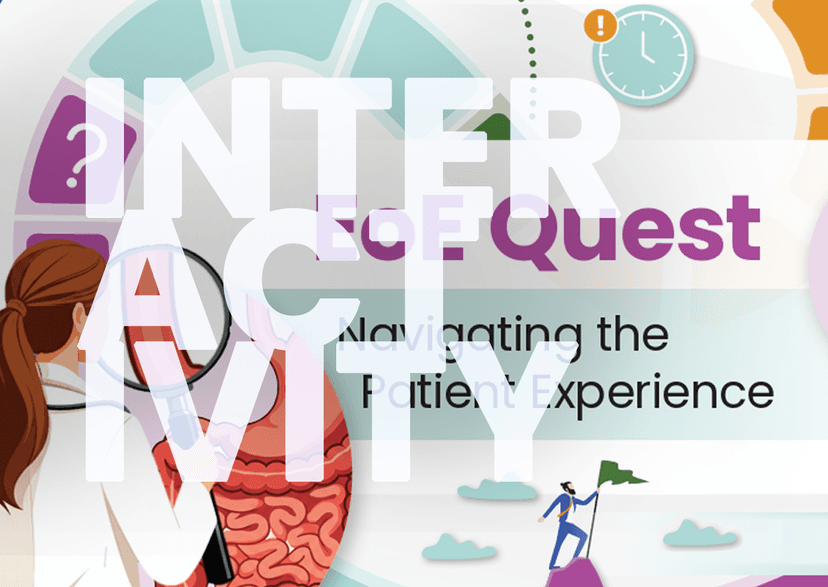
EoE Quest: Navigating the Patient Experience
Want to test your EoE knowledge while learning more about the patient journey? Try EoE Quest, an engaging and educational interactive experience.
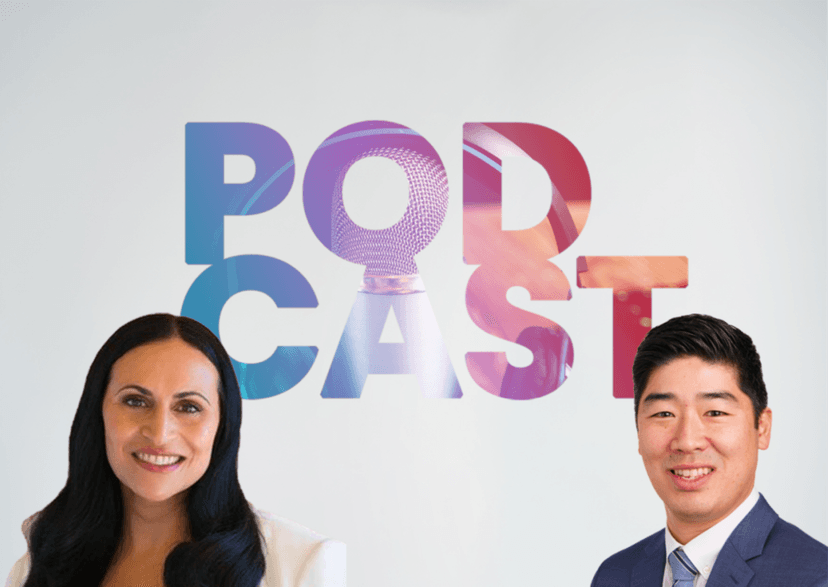
ADVENT On-Air Podcast: The Multifaceted Patient Burden and Drivers of Disease in Prurigo Nodularis
In this episode, Dr. Sarina Elmariah and Dr. Brian Kim explore prurigo nodularis (PN), with a focus on severe itch, fibrotic skin lesions, and their impact on patients’ quality of life. They discuss PN epidemiology, common comorbidities, and the challenges of managing multimorbid patients, while breaking down the neuroimmune mechanisms, highlighting the role of type 2 cytokines in itch and lesion development.

ERS 2025 | Less Flare, More Function: Recognizing the Full Spectrum of COPD Patient Outcomes
Join Drs. Nicola Hanania, Surya Bhatt, and Celeste Porsbjerg for a session exploring the burden of COPD in patients with type 2 inflammation and review key cytokine pathways and Phase 3 data on emerging biologic therapies.
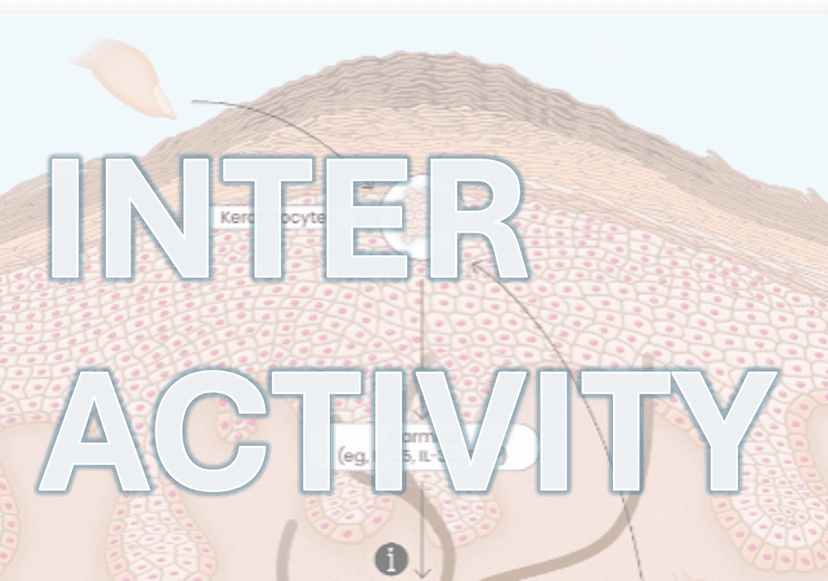
Prurigo Nodularis: Type 2 Inflammation Links Neuronal Dysfunction and Fibrosis
This infographic highlights how PN is driven by type 2 inflammation, linking immune dysregulation, fibroblast activation, and neuronal dysfunction to nodule formation. It also shows how cytokine-mediated changes in neuronal architecture increase excitability and chronic itch, where resulting lesions and scarring significantly impact patients’ psychological well-being.
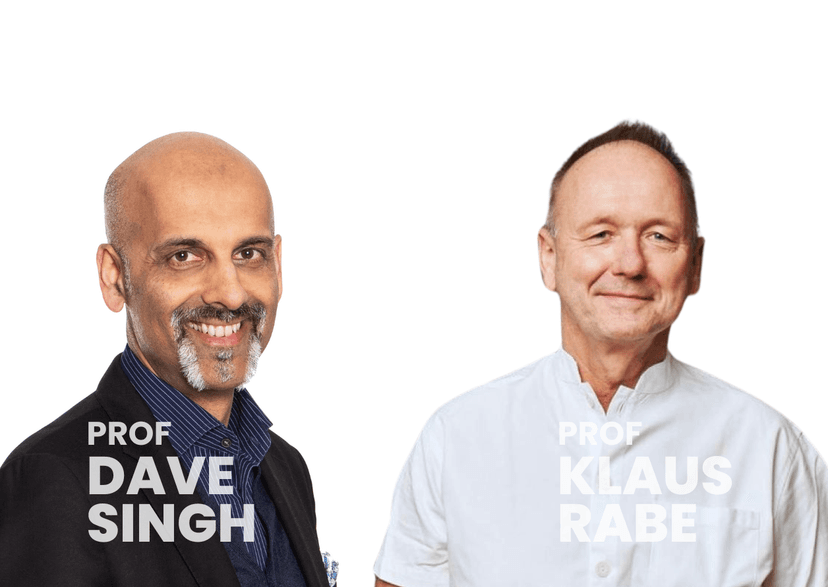
ERS 2025 | The Knowns and Unknowns in the COPD Landscape
Join Profs. Dave Singh and Klaus Rabe as they examine the clinical relevance of exacerbations, lung function, symptoms, quality of life, and comorbidities in COPD, as well as the evolving concept of disease stability and what that could mean for treatment planning and the future of COPD care.
The Shared Path: Type 2 Inflammation As a Driver of Chronic Itch
Professor Matthias Augustin highlights the role of type 2 inflammation in chronic itch across distinct pruritic skin diseases and the cumulative burden of chronic itch and skin lesions in PN.

Expert Interview: Featuring Dr Shawn Kwatra on PN itch and impact on patients
Join Dr Kwatra as he dives deeper into the mechanism of lesion formation in Prurigo Nodularis and the impact the development of these skin lesions have on patient life.
