15 search results for: barrier dysfunction

Skin Barrier Dysfunction and Type 2 Inflammation in Atopic Dermatitis
Learn more about how the exaggerated immune response due to chronic and systemic type 2 inflammation contributes to skin barrier dysfunction in atopic dermatitis

Type 2 Inflammation and Sinonasal Barrier Dysfunction in CRSwNP
Explore how type 2 inflammation drives sinonasal barrier dysfunction in chronic rhinosinusitis with nasal polyps (CRSwNP) with this video on the cellular mechanisms behind hallmark symptoms — including nasal congestion and loss of smell.

Interplay of Barrier Dysfunction and Type 2 Inflammation in EoE
Learn from Prof. Seema Aceves about the interconnectivity of type 2 inflammation and barrier dysfunction in mediating EoE pathophysiology.

CRSwNP Triathlon: An Interactive Learning Experience
Embark on this interactive triathlon challenge to uncover the interplay of type 2 inflammation, barrier dysfunction, and neuroimmune dysregulation in the disease pathology of CRSwNP.
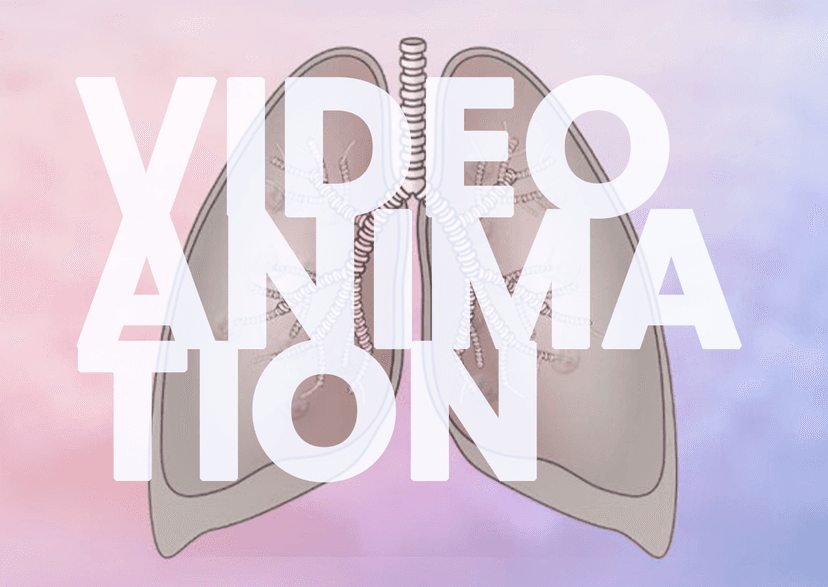
Pathways Driving Chronic Airway Remodeling in Asthma
See how type 2 inflammation underlies remodeling processes in asthma.

Exploring the Potential Disease-Modifying Approaches in AD
Explore the concept of disease modification in atopic dermatitis through this interactive infographic, which highlights potential considerations such as optimal sustained disease control, subclinical inflammation, the pathophysiology of AD, and atopic/non-atopic comorbidities.
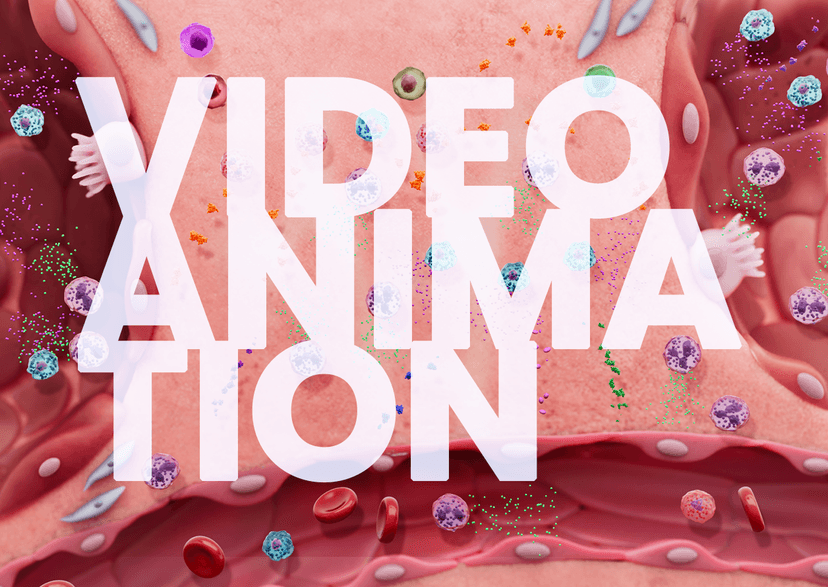
Pathways to Disease: Inflammation in Chronic Obstructive Pulmonary Disease Video
Learn about the significant burden that patients with COPD experience and the role of inflammatory mechanisms in this chronic, often progressive disease.

Type 2 Inflammation Is a Driving Factor for Atopic Dermatitis and Related Comorbidities
Dr. Lawrence Eichenfield describes the pathophysiology of atopic dermatitis and how type 2 inflammation may sensitize patients to atopic comorbidities.

Beyond the Assumptions: Differentiating the Evidence on AD Pathomechanisms
Dr. David Cotter debunks prevalent misconceptions surrounding atopic dermatitis by providing essential insights into its pathophysiology.

The Science Behind the Scratch: Pathophysiology of Age-Related Itch
Dr. Butler delves into the multifaceted biological mechanisms, including type 2 inflammation, that drive chronic pruritus in older adults. He explains how age-related changes contribute to epidermal barrier dysfunction, neuropathic damage, and immune decline, leading to chronic pruritus.

Type 2 Cytokines Have Multiple Critical Roles in BP That Contribute to Inflammation and Itch
In this soundbite video from the April 2025 ADVENT Forum in Lisbon, Portugal, Dr. Eric Simpson outlines why early, targeted control of type 2 inflammation may modify the course of atopic dermatitis by addressing upstream drivers of barrier dysfunction, dysbiosis, and itch.

Underlying Type 2 Inflammation Drives a Chronic Itch-Scratch Cycle in Atopic Dermatitis
In this soundbite video from the April 2025 ADVENT Forum in Lisbon, Portugal, Dr. Brian Kim explains how underlying type 2 inflammation sustains the chronic itch-scratch cycle in atopic dermatitis, highlighting the interplay of barrier dysfunction, cytokine signaling, and neuronal activation.