37 search results for: long-term
UEGW 2024 | WHY Is Long-Term Management of EoE Important?
Prof. Salvatore Oliva discusses the impact of chronic type 2 inflammation on EoE progression, highlighting the need for long-term management.
ESPGHAN 2025 Pediatric EoE: Clinical Data & Long-Term Management
Dr Gutiérrez Junquera discusses ESPGHAN guidelines, clinical data, and long-term management strategies for pediatric EoE.

ESPGHAN 2025 Pediatric EoE: Early Identification & Type 2 Comorbidity
Dr Tzivinikos discusses the importance of early identification and management of pediatric EoE to improve long-term outcomes
UEGW 2024 | Something to Chew On: Exploring Biologics in EoE Management
Prof. Salvatore Oliva and Dr. Milli Gupta discuss the importance of long-term care, multidimensional assessment, and the latest data for biologics.

ERS 2025 | Type 2 Severe Asthma "Unplugged": Reducing Mucus to Improve Long-term Patient Outcomes
Join leading pulmonologists Drs. Njira Lugogo, Simon Couillard, and Mario Castro, as they explore the role of type 2 inflammation in the pathogenesis of mucus plugging in the airways, the burden of excess mucus in patients with moderate-to-severe asthma, and how reducing airway mucus may lead to improved long-term patient outcomes.
ESPGHAN 2025 | Early Diagnosis & Effective Management in Pediatric EoE
Drs Gutiérrez Junquera and Tzivinikos discuss the importance of early identification and management of pediatric EoE to improve long-term outcomes.

Master Clinician Video | Empowering Our Patients: Patient-Centered Practice and Follow-Up in the Clinic (Chapter 4)
This chapter focuses on the importance of shared decision-making and regular, long-term monitoring of histology and endoscopy, not just symptoms.

UEG 2025 | Bridging the Gap in EoE: Strategies for Seamless Transition of Care
Profs. Greuter, Savarino, and Giordano discuss multidimensional EoE assessment, tailoring long-term care to patient needs, and recent clinical data.

Eosinophilic Esophagitis (EoE) Pediatric Interactive Patient Case
Experience a pediatric patient's journey from infancy to adolescence with guideline-based learnings on EoE diagnosis, treatment, and long-term care.

UEGW 2024 | Something to Chew On: Exploring Biologics in EoE Management
Prof. Salvatore Oliva and Dr. Milli Gupta discuss the importance of long-term care, multidimensional assessment, and the latest data for biologics.
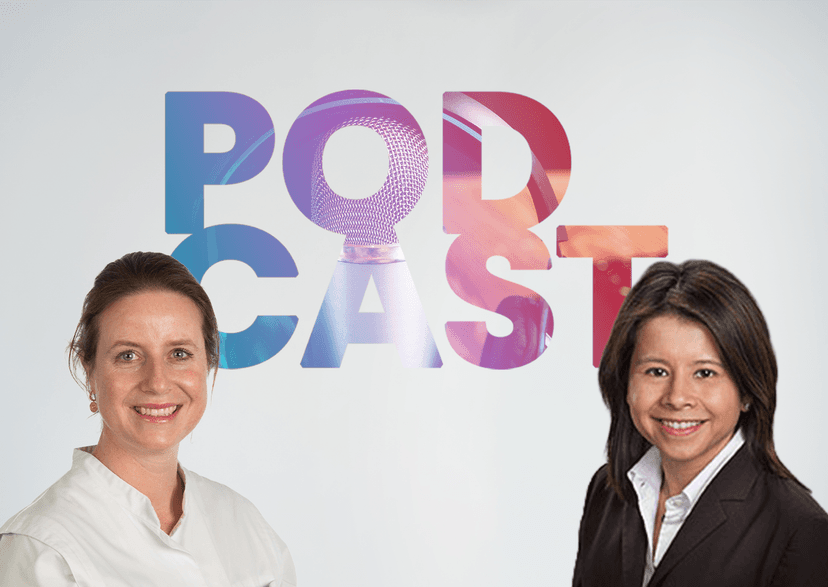
ADVENT on Air: OCS in CRSwNP Podcast
Listen to experts, Dr. Amber Luong and Dr. Marjolein Cornet, discuss the significant burden of oral corticosteroid (OCS) use in chronic rhinosinusitis with nasal polyps (CRSwNP) and its short-term, long-term, and cumulative risks, particularly for patients with coexisting conditions like asthma. Experts highlight the need for improved multidisciplinary approaches and OCS-sparing strategies to optimize patient care.
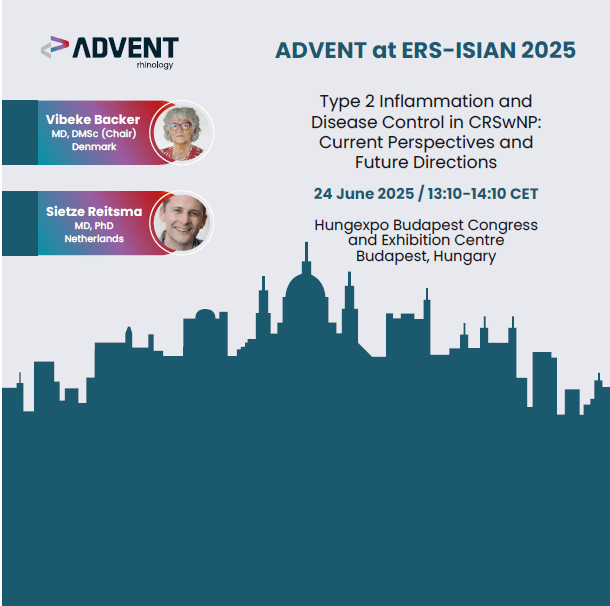
ERS-ISIAN 2025 | Type 2 Inflammation and Disease Control in CRSwNP: Current Perspectives and Future Directions
In this educational presentation, Profs. Vibeke Backer and Sietze Reitsma cover key aspects of type 2 inflammation and its role in the pathogenesis and management of CRSwNP and practical strategies for optimizing disease control and improving patient outcomes.
