48 search results for: chronic inflammation
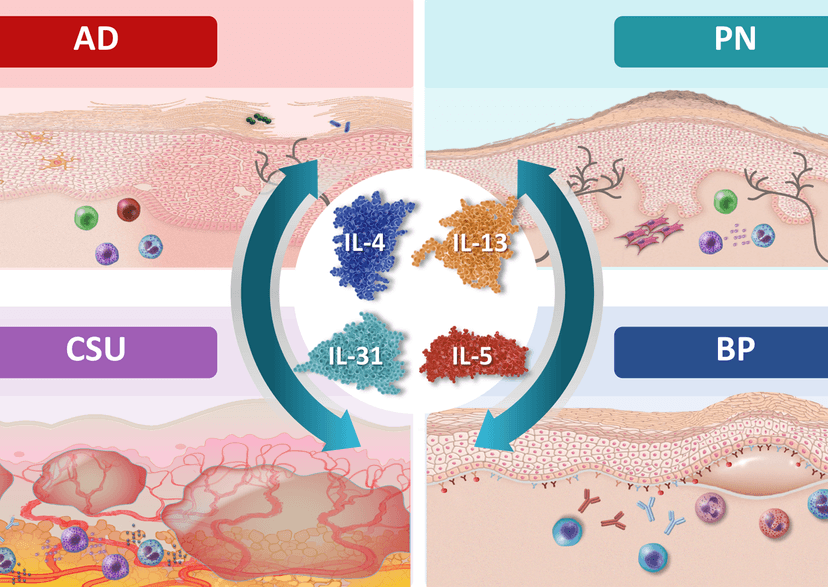
What Went Wrong? How Dysregulated Type 2 Immunity Contributes to AD, PN, CSU, and BP
This is the full presentation of the March 2025 ADVENT cross-dermatology symposium, hosted in Orlando, Florida, presenting the latest information around type 2 inflammation and its association with atopic dermatitis (AD), prurigo nodularis (PN), chronic spontaneous urticaria (CSU) and bullous pemphigoid (BP).

What Went Wrong? How Dysregulated Type 2 Immunity Contributes to AD, PN, CSU, and BP
This full video presentation of the March 2025 ADVENT cross-dermatology symposium, hosted in Orlando, Florida features Dr. Eric Simpson, Dr. Shawn Kwatra, Dr. Jason Hawkes and Dr. Victoria Werth. The faculty present the latest information around type 2 inflammation and its association with atopic dermatitis (AD), prurigo nodularis (PN), chronic spontaneous urticaria (CSU) and bullous pemphigoid (BP).
The Benefits of Early Intervention in AD: More Than Skin Deep
Many AD treatment goals focus on clinical manifestations, so that if a patient is free of lesions, their disease is considered well controlled. However, the inflammatory process underlying AD reaches far beyond the skin, affecting patients in unique ways at different stages of their lives. Education on the importance of treating AD beyond the skin and altering the treatment approach to fit the individual patient will help improve clinical management and reduce long-term patient burden.
