109 search results for: Clinical Management

How the Understanding of PN has Evolved?
Dr Kwatra poses the question: How do we assess disease modification in PN, and can treating early stop tissue damage and worsening of systemic diseases associated with PN?

UEGW 2024 | WHAT Can Be Used to Monitor Treatment Response in EoE and WHEN?
Dr. Milli Gupta emphasizes the need to regularly monitor multiple disease domains when assessing treatment response, not just EoE symptoms.

Keeping an Eye on Pediatric EoE
Global experts Prof. Arjan Bredenoord and Drs. Ikuo Hirano, Kathryn Peterson, and Evan Dellon discuss identification and assessment of pediatric EoE.
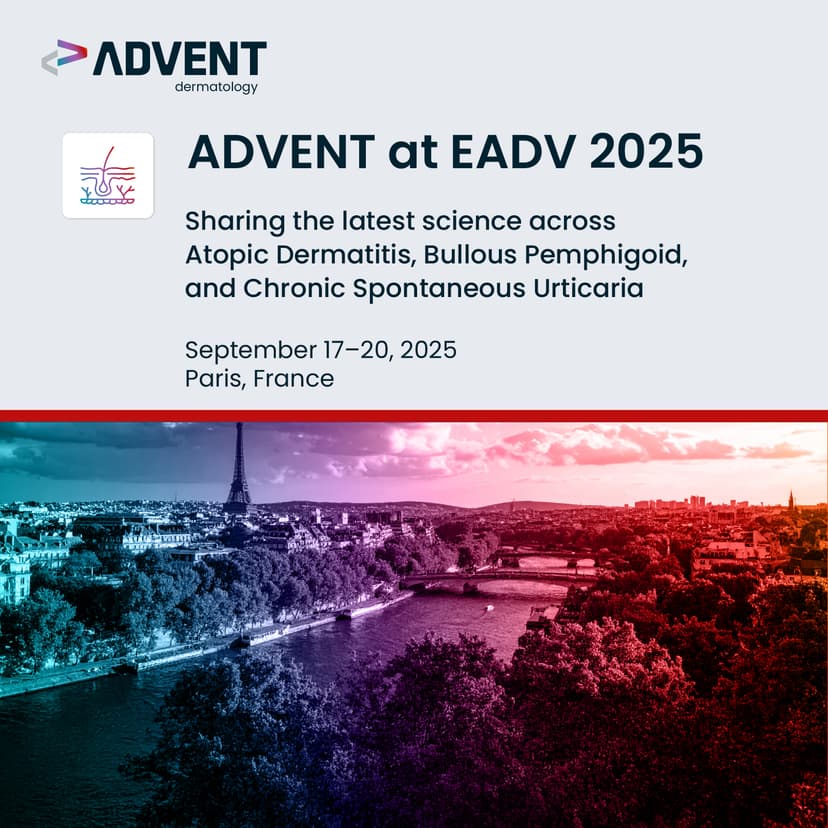
The Burden of a Lifetime: Can Disease Modification Rewrite the Narrative of Atopic Dermatitis?
Join Professors Jean-David Bouaziz, Amy Paller, and Alan Irvine for a dynamic presentation on the multifaceted burden of atopic dermatitis, the evolving concept of disease modification, and how targeted systemic therapies may help improve long-term patient outcomes.

ERS 2025 Enduring Video: Type 2 Severe Asthma “Unplugged”: Reducing Mucus to Improve Long- Term Patient Outcomes
Join Drs. Njira Lugogo, Simon Couillard, and Mario Castro for a session exploring the link between pathogenic mucus and impaired lung function in patients with moderate-to-severe asthma and the potential for disease modification with targeted therapy.

Pediatric EoE: An Interactive Learning Symposium
Join leading experts in pediatric eosinophilic esophagitis (EoE), Professors Salvatore Oliva, MD, PhD, and André Hörning, MD, as they explore the multifaceted journey of pediatric patients with EoE through a hypothetical patient case, navigating real-world challenges in managing EoE.

Pediatric EoE: An Interactive Learning Symposium
Professors Oliva and Hӧrning explore the journey of pediatric patients with EoE through diagnosis, disease progression, and treatment.

Type 2 Inflammation: Links With Severe Uncontrolled CRSwNP
In this video soundbite from the ERS-ISIAN 2025 symposium, Dr. Vibeke Backer discusses how Type 2 inflammation drives severe, uncontrolled CRSwNP. It covers key immune cells and biomarkers (e.g., IL-4, IL-5, IL-13, TSLP), global prevalence differences, and the importance of symptom tracking and targeted therapies.
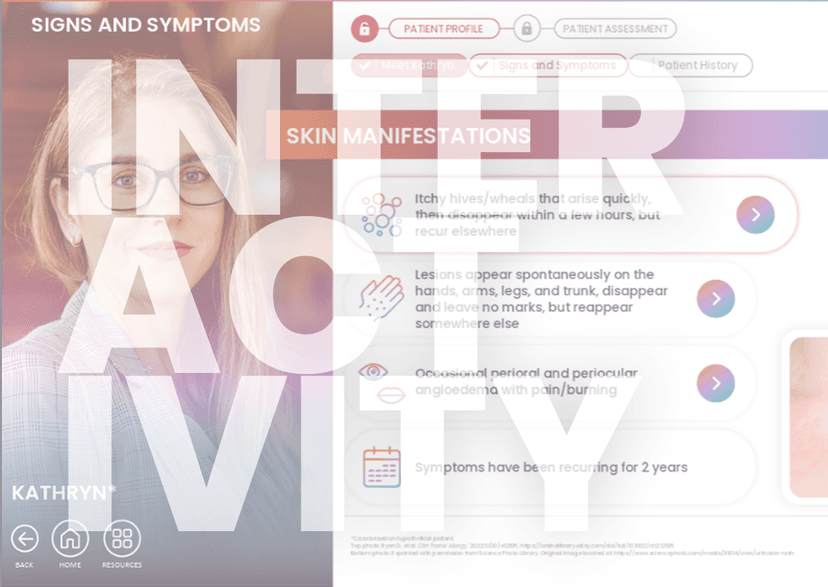
Guideline-Based Diagnosis of Chronic Spontaneous Urticaria: An Interactive Patient Case
Learn more about the guideline-based diagnosis of chronic spontaneous urticaria with this interactive patient case.

Atopic and Nonatopic Comorbidities in AD and the Importance of Early Intervention
In this soundbite video from the April 2025 ADVENT Forum in Lisbon, Portugal, Dr Amy Paller reviews the increased risk of atopic and nonatopic comorbidities associated with atopic dermatitis and discusses the potential of early intervention to mitigate their development.
