171 search results for: Pathophysiology

Loss of Smell is a Key Symptom of CRSwNP
Learn how loss of smell in CRSwNP is a key symptom for both patients and providers.
Pathways to Disease: Inflammation in Chronic Obstructive Pulmonary Disease Video
Learn about the significant burden that patients with COPD experience and the role of inflammatory mechanisms in this chronic, often progressive disease.

Bullous Pemphigoid: Exploring New Frontiers
Highlights from the ADVENT educational symposium at EADV 2024 discussing the current understanding of the science and treatment landscape in bullous pemphigoid (BP).
Gastro Forum 2025 | EoE: How Far We've Come
Prof. Salvatore Oliva and Dr. Milli Gupta discuss the evolution in understanding EoE and the impact of chronic, underlying type 2 inflammation.

Understanding the Clinical Impact of Mucus Plugs in COPD
Understand the pathophysiology and clinical relevance of mucus plugs in COPD that ultimately contribute to worse outcomes for patients.
ADVENT On Air Podcast: Unmet Needs and Current Treatment Landscape with Bullous Pemphigoid
In this podcast, Dr. Teri Greiling and Dr. Daniel Butler discuss the enormous burden patients with bullous pemphigoid experience and how our understanding of the disease pathophysiology may help address unmet treatment needs.

Emerging Perspectives on the Disease Burden and Management of Children with Atopic Dermatitis
Join Christine Bangert and Perla Lansang for an educational symposium on atopic dermatitis (AD) in children, exploring the diagnosis and pathophysiology of AD in children, the life-long effects of uncontrolled disease beyond the skin, and current and emerging therapies.
How Biologic Therapy May Lead to Disease Modification in Infants and Children with Atopic Dermatitis
The underlying pathophysiology of atopic dermatitis (AD) is driven by dysregulation of type 2 immunity that contributes to skin barrier dysfunction. AD typically develops very early in life and children with AD often develop other atopic conditions such as food allergy, asthma, and allergic rhinitis in a progression called the atopic march. Early treatment may help reduce the atopic march and other comorbidities to lessen the lifetime burden created by these diseases. There may even be a window of opportunity for disease modification.
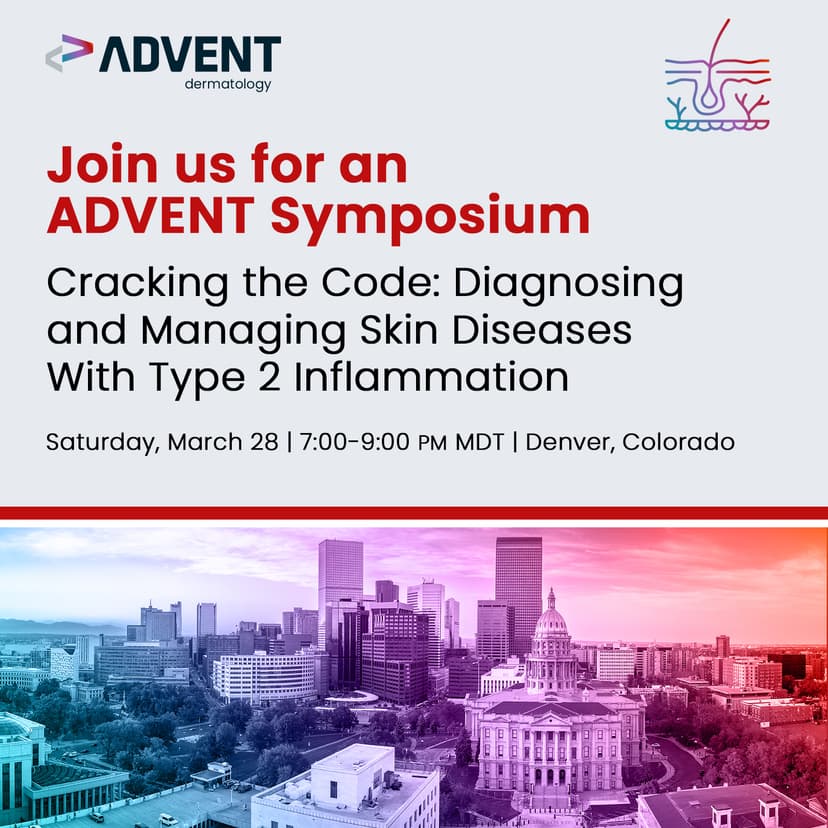
ADVENT Dermatology Symposium in Denver, CO, USA
This 2-hour educational program delves into the pivotal role of type 2 inflammation in diverse skin conditions, including atopic dermatitis, prurigo nodularis, bullous pemphigoid, and chronic spontaneous urticaria. It will highlight both shared and distinct disease mechanisms and patient burdens, providing crucial insights for optimizing clinical management strategies. Experts will guide the audience through diverse patient cases to illuminate diagnostic nuances and the pathophysiology of each condition. These cases will also highlight the importance of shared decision-making and the broadening of treatment goals beyond symptom control. Dynamic panel discussion and active audience participation will be facilitated through real-time polling and curated Q&A sessions.
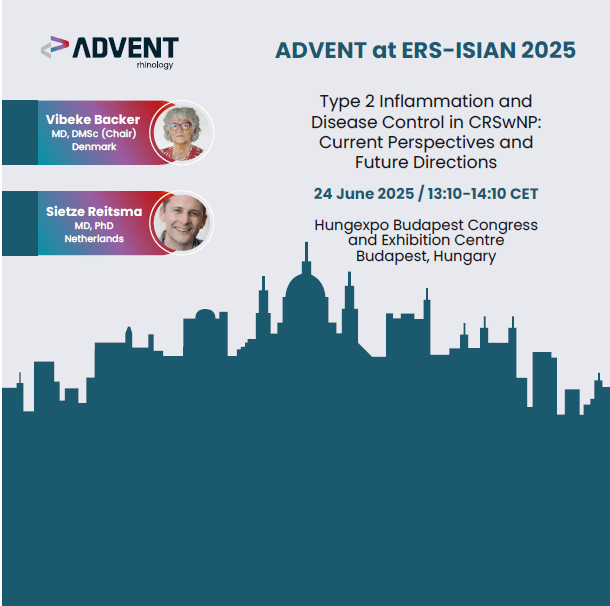
ERS-ISIAN 2025 | Type 2 Inflammation and Disease Control in CRSwNP: Current Perspectives and Future Directions
In this educational presentation, Profs. Vibeke Backer and Sietze Reitsma cover key aspects of type 2 inflammation and its role in the pathogenesis and management of CRSwNP and practical strategies for optimizing disease control and improving patient outcomes.
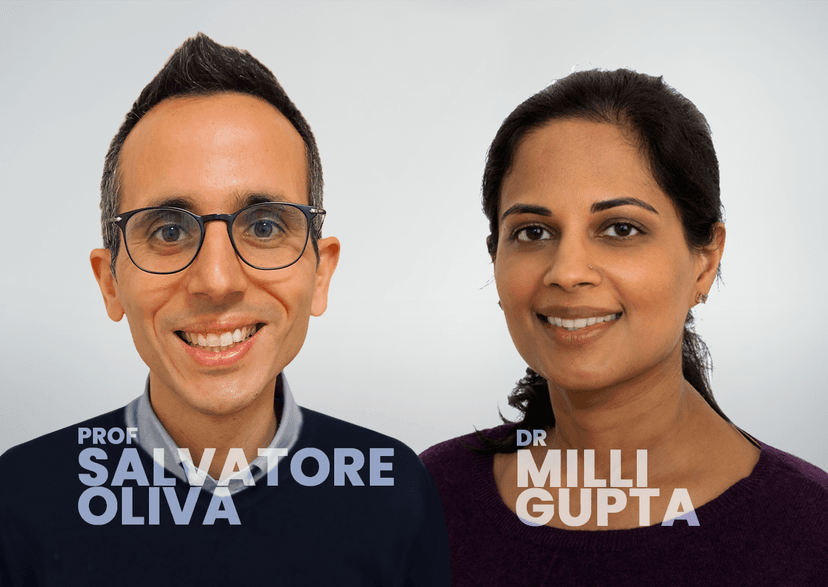
UEGW 2024 | Something to Chew On: Exploring the Management of EoE
Prof. Salvatore Oliva and Dr. Milli Gupta discuss the importance of long-term care and multidimensional assessment.
