144 search results for: patient burden
ADVENT on Air: OCS in CRSwNP Podcast
Listen to experts, Dr. Amber Luong and Dr. Marjolein Cornet, discuss the significant burden of oral corticosteroid (OCS) use in chronic rhinosinusitis with nasal polyps (CRSwNP) and its short-term, long-term, and cumulative risks, particularly for patients with coexisting conditions like asthma. Experts highlight the need for improved multidisciplinary approaches and OCS-sparing strategies to optimize patient care.
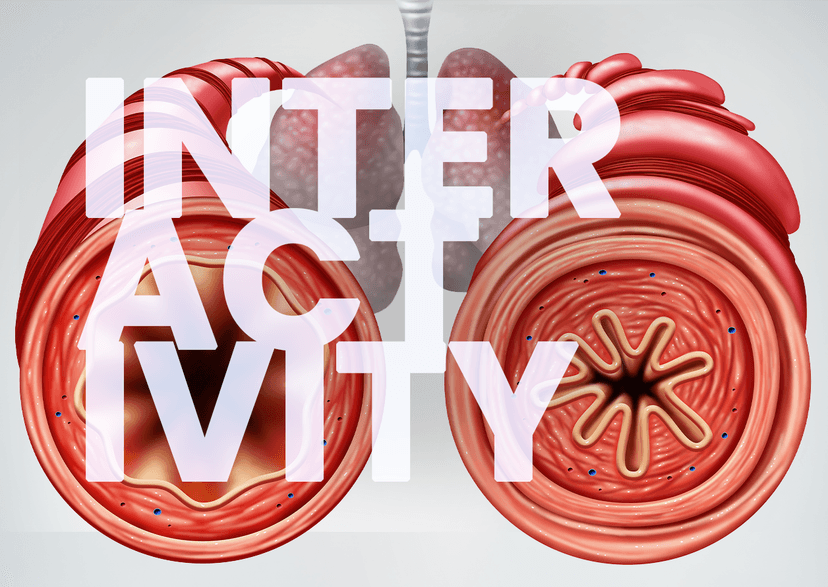
The Compounded Burden of CRSwNP and Asthma
This infographic illustrates the compounded burden of coexisting CRSwNP and asthma and explains how type 2 inflammation underlies both conditions and impacts clinical outcomes in patients.
ADVENT On Air | More Than Just Difficulty Swallowing: EoE Burden and Diagnosis
Hear Dr. Wechsler and Prof. Bredenoord discuss the multifaceted burden of EoE and how to overcome challenges in identifying EoE in clinical practice.

Compounded Burden of Co-existing Type 2 Airway Diseases
In this video soundbite from the EAACI 2025 symposium, Dr. Brian Lipworth discusses that co-existing type 2 inflammatory diseases are common in patients with CRSwNP & increasing severity of asthma is associated with higher severity of CRS and prevalence of nasal polyps. Additionally, he explains that patient burden is substantially greater when asthma and CRSwNP are co-existing.
Bullous Pemphigoid Differential Diagnosis Interactive Tool
This interactive tool systematically guides healthcare providers through the complete diagnostic pathway for suspected bullous pemphigoid.
The Burden of a Lifetime: Can Disease Modification Rewrite the Narrative of Atopic Dermatitis?
Join Professors Jean-David Bouaziz, Amy Paller, and Alan Irvine for a dynamic presentation on the multifaceted burden of atopic dermatitis, the evolving concept of disease modification, and how targeted systemic therapies may help improve long-term patient outcomes.
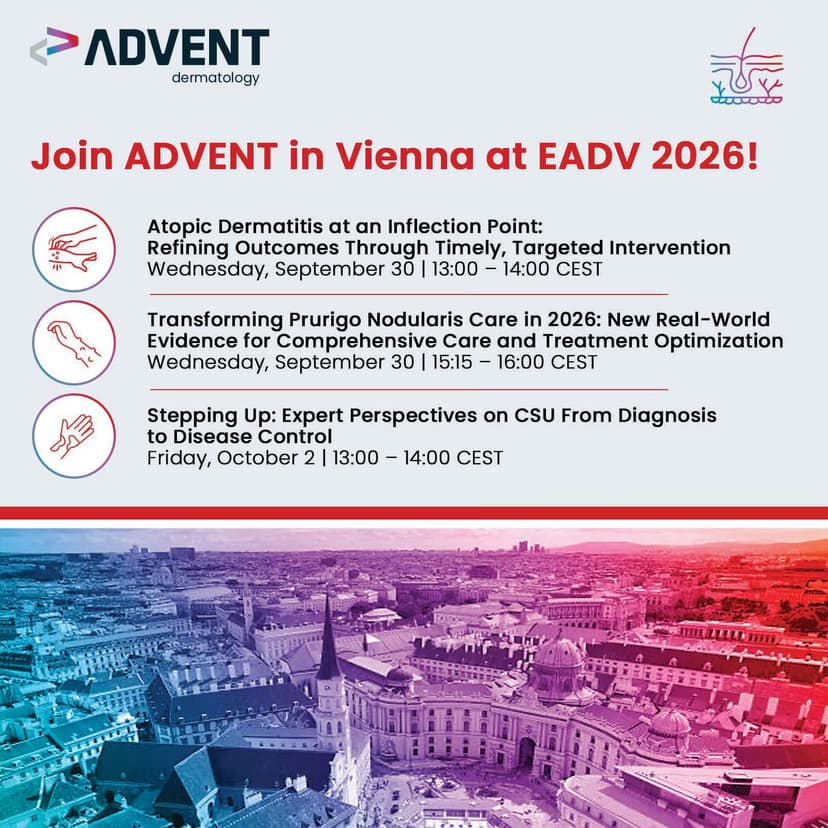
ADVENT at EADV 2026
Please join the ADVENT program at EADV 2026 for educational sessions on AD, PN, and CSU! Experience 3 high-impact sessions led by world-renowned experts, bridging scientific innovation with real-world clinical outcomes.
The Role of Type 2 Inflammation Across a Range of Pruritic Skin Diseases in Older Adults
Dr. Butler explores how type 2 inflammation is a common underlying mechanism in several prevalent chronic pruritic skin conditions affecting the elderly, such as CPUO, AD, BP, and PN

Decoding Chronic Itch and More in PN: Implications of Real-World Data for Clinical Practice
This symposium highlights type 2 inflammation as a key driver of chronic itch and the characteristic skin lesions of prurigo nodularis and evaluates the real-world implications of targeted therapies on clinical practice.
Uncovering the Impact of Moderate COPD Exacerbations
The infographic provides information about the clinical characteristics used to classify moderate COPD exacerbations and the impact of these events on lung function, future risk, and mortality.

The Type 2 Interface: Unifying AD, CSU, and PN Pathophysiology and Dispelling Common Misconceptions
This symposium highlights the central role of type 2 inflammation in atopic dermatitis, prurigo nodularis, and chronic spontaneous urticaria and dismantles prevalent scientific misconceptions about these inflammatory skin conditions with lively discussion from Drs Jason Hawkes, Lakshi Aldredge and Diego Dasilva.

The Type 2 Inflammatory Link in AD, CSU, and PN
Dr. Jason Hawkes explores the unique clinical manifestations of atopic dermatitis, chronic spontaneous urticaria, and prurigo nodularis, while highlighting the shared role of type 2 inflammation across these distinct diseases.
