74 search results for: symposium
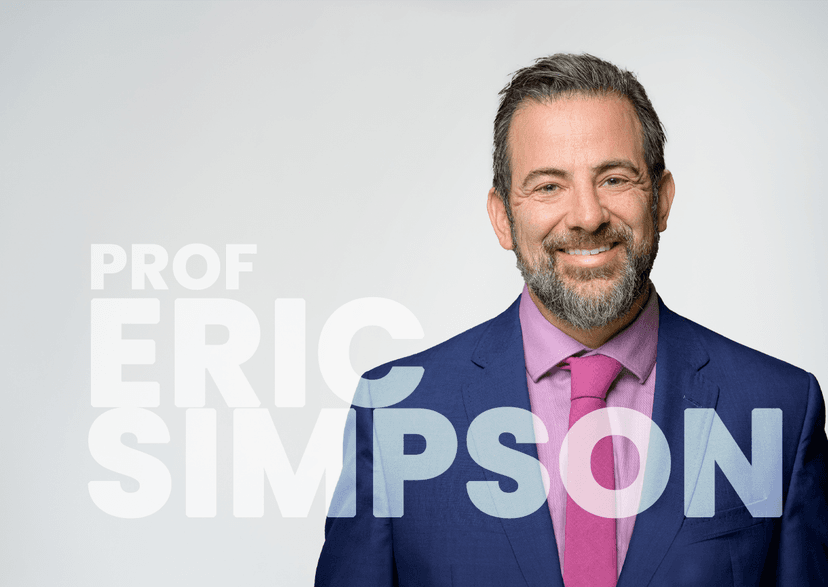
Under the Itchy Surface: The Insidious, Cumulative Burden of Type 2 Inflammation in AD
In this soundbite video from the March 2025 ADVENT symposium in Orlando, Florida, Dr. Eric Simpson highlights the systemic nature of atopic dermatitis (AD) and how the disease burden extends beyond the skin. Through the lens of cumulative life course impairment, Dr. Simpson explores how persistent type 2 inflammation in AD may drive both atopic and nonatopic comorbidities, emphasizing the importance of early, effective treatment to alter disease progression.
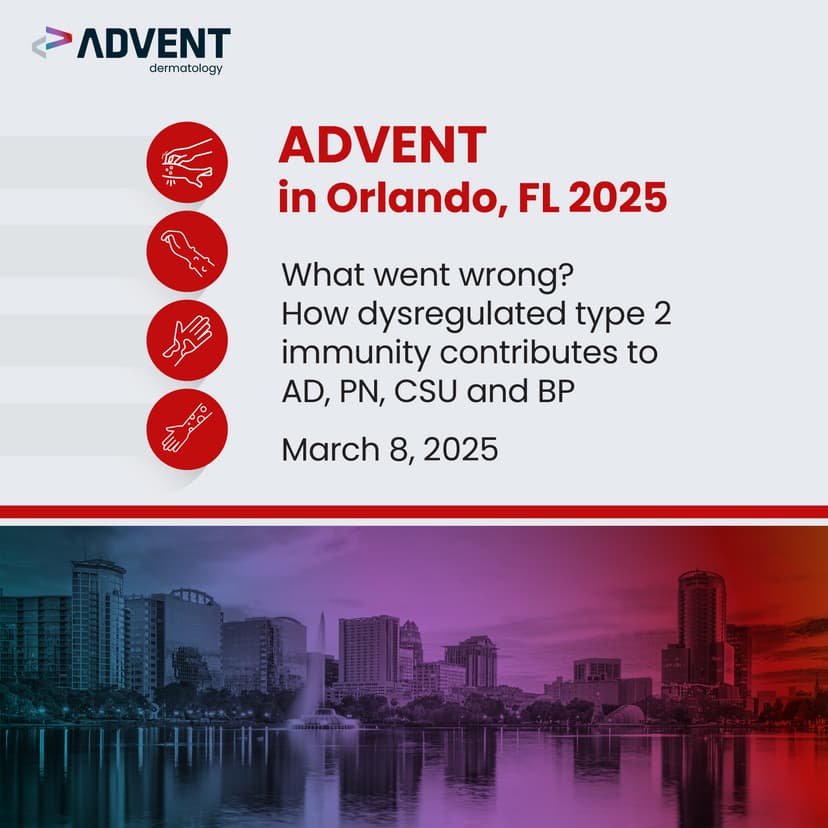
ADVENT in Orlando, 2025
Type 2 inflammation contributes to many dermatologic diseases, which may lead to potentially life-changing burdens and challenges to patients and caregivers. By uncovering the role of type 2 inflammation in the pathophysiology of AD, PN, CSU, and BP, we can move forward in our understanding of each disease. Join global experts for an educational symposium on March 8th that will uncover the role of type 2 inflammation in the pathophysiology of AD, PN, CSU, and BP and explore questions driving current research in each disease.
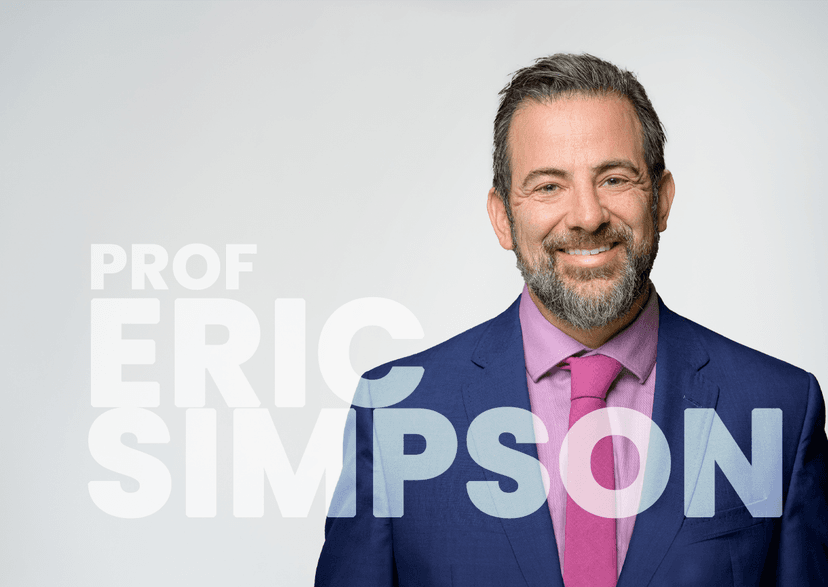
Under the Itchy Surface: The Insidious, Cumulative Burden of Type 2 Inflammation in AD
In this video from the March 2025 ADVENT symposium in Orlando, Florida, Dr. Eric Simpson discusses the systemic nature of atopic dermatitis (AD) and how the disease burden extends beyond the skin. Through the lens of cumulative life course impairment, Dr. Simpson goes on to explore how persistent type 2 inflammation in AD may drive both atopic and nonatopic comorbidities, emphasizing the potential importance of early and effective therapeutic intervention to alter disease progression
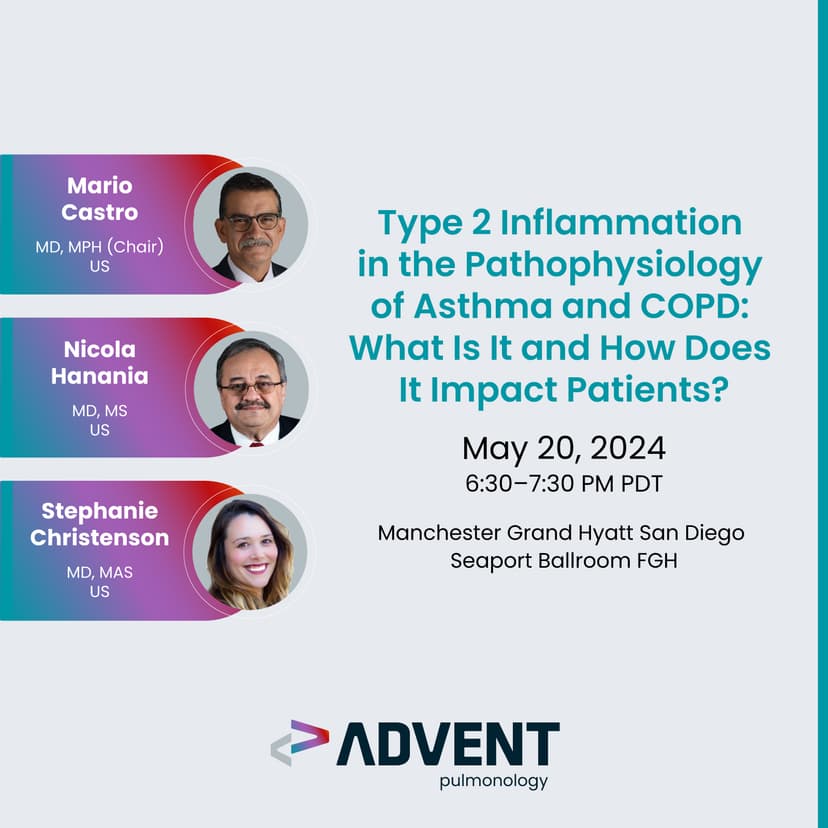
ATS 2024 | Type 2 Inflammation in the Pathophysiology of Asthma and COPD: What Is It and How Does It Impact Patients?
Join experts Mario Castro, Nicola Hanania, and Stephanie Christenson for an educational symposium on the real-world impact of underlying type 2 inflammation on the patient burden of asthma and COPD.

UEG 2025 | Understanding Type 2 Inflammation in EoE: A Case-Based Discussion
Profs. Greuter, Savarino, and Giordano discuss best practices for EoE identification, multidimensional EoE assessment, and transition of care.
Charting the Future: Preventing the Atopic March
In this clip from the April WCPD 2025 symposium, Dr Eulàlia Baselga discusses data identifying atopic dermatitis as the first diagnosed atopic disease and the start of the atopic march.
Charting the Future: Preventing the Atopic March
In this clip from the April WCPD 2025 symposium, Dr Eulàlia Baselga highlights the multidimensional burden of uncontrolled AD and how the various burdens contribute to Cumulative Life Course Impairment (CLCI).

Type 2 Inflammation: Links With Severe Uncontrolled CRSwNP
In this video soundbite from the ERS-ISIAN 2025 symposium, Dr. Vibeke Backer discusses how Type 2 inflammation drives severe, uncontrolled CRSwNP. It covers key immune cells and biomarkers (e.g., IL-4, IL-5, IL-13, TSLP), global prevalence differences, and the importance of symptom tracking and targeted therapies.
ADVENT at WCI 2025
Join ADVENT for an educational symposium on PN at WCI 2025!
What We Know About Bullous Pemphigoid (BP): Challenges of the Various Clinical Manifestations, Diagnosis, and Burden for Patients and Caregivers
In this ADVENT symposium at the 2024 EADV meeting, Professor Joost Meijer highlights the heterogeneous nature of BP and the resultant burden for patients.
Mechanisms of Disease: Autoimmunity and Role of Type 2 Inflammation in Bullous Pemphigoid (BP)
In this ADVENT symposium at the 2024 EADV meeting, Professor Enno Schmidt discusses the pathophysiology of BP, focusing on autoimmunity and the role of type 2 inflammation.

Unmet Needs for Bullous Pemphigoid (BP): Limitations of Diagnosis and Conventional Therapies
In this ADVENT symposium at the 2024 EADV meeting, Dr. Donna Culton focuses on the challenges of diagnosis and the unmet needs for patients with BP.
