64 search results for: quality of life

EoE Burden and Pathophysiology of Type 2 Inflammation
Learn about the significant burden that patients with EoE experience, and the role of type 2 inflammation in this chronic, progressive disease.
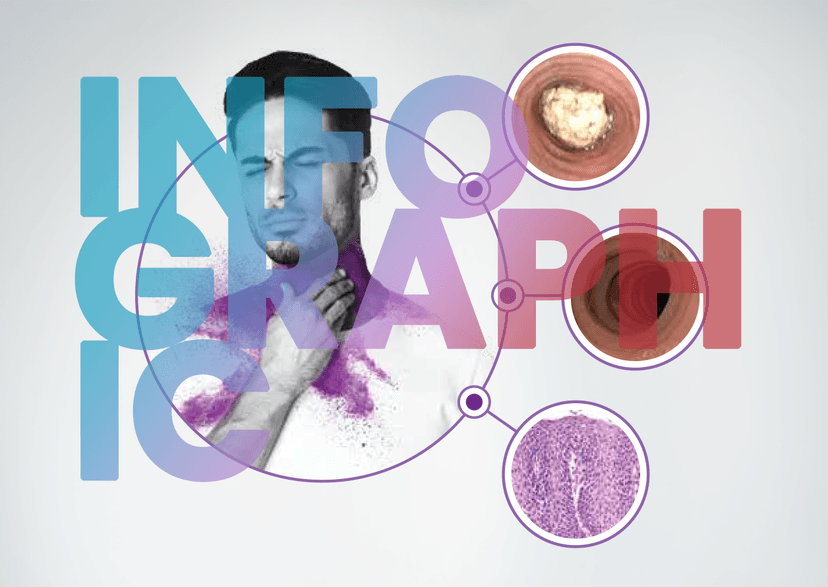
Importance of Assessing Key Disease Domains in EoE Infographic
Learn about the importance of assessing key disease domains in EoE by focusing on symptoms, QoL, endoscopy, and histology.

Atopic and Nonatopic Comorbidities in AD and the Importance of Early Intervention
In this soundbite video from the April 2025 ADVENT Forum in Lisbon, Portugal, Dr Amy Paller reviews the increased risk of atopic and nonatopic comorbidities associated with atopic dermatitis and discusses the potential of early intervention to mitigate their development.

The Patient's Path: Unraveling the Diagnosis and Burden of Bullous Pemphigoid
Follow Janet, a hypothetical patient, as she navigates the difficult journey of bullous pemphigoid, starting with symptom onset to diagnosis.
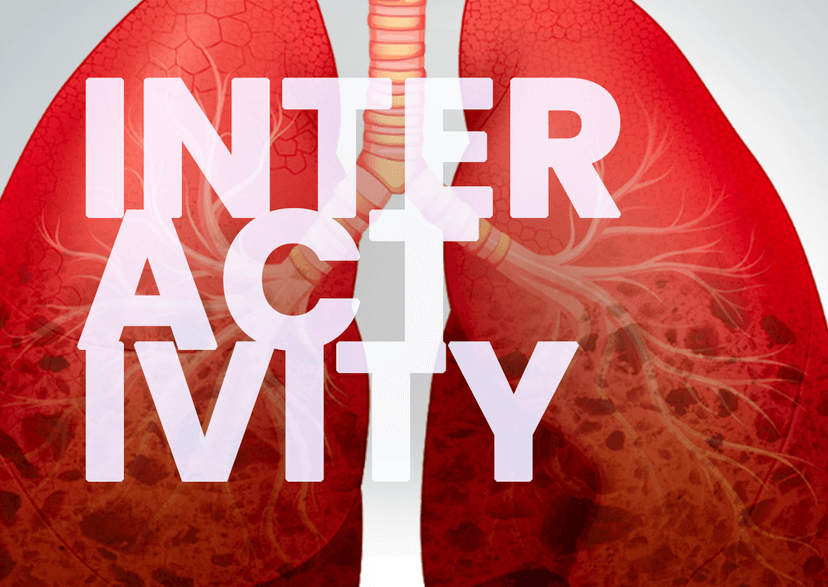
Worsening Disease Results in a Vicious Cycle of COPD
Uncover the complex interconnected factors that drive the progressive and worsening vicious cycle of COPD.

Compounded Burden of Co-existing Type 2 Airway Diseases
In this video soundbite from the EAACI 2025 symposium, Dr. Brian Lipworth discusses that co-existing type 2 inflammatory diseases are common in patients with CRSwNP & increasing severity of asthma is associated with higher severity of CRS and prevalence of nasal polyps. Additionally, he explains that patient burden is substantially greater when asthma and CRSwNP are co-existing.

Master Clinician Video | The Moment of Impact: EoE in the Emergency Department (Chapter 1)
This chapter highlights how a food bolus impaction may be the initial manifestation of a patient with EoE masked by adaptive eating behavior.

AANP 2025 | Atopic Diseases & a Case-Based Panel of Nurse Practitioners
Experts from different specialties use a case-based discussion to understand type 2 inflammatory diseases from a nurse practitioner perspective.
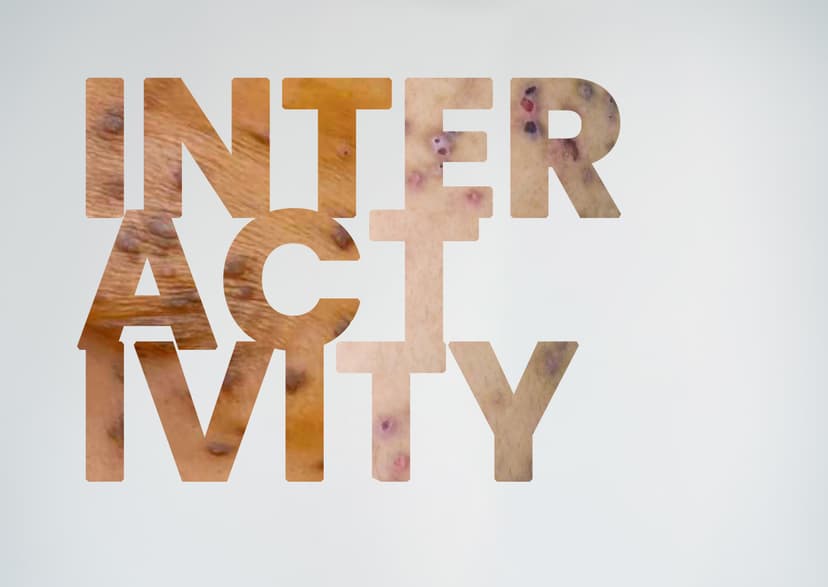
Skin Dyspigmentation In Prurigo Nodularis (PN)
This infographic illustrates the clinical manifestations, pathophysiology and impact on patients of skin dyspigmentation in Prurigo Nodularis.

EoE: A Chronic, Progressive, Type 2 Inflammatory Disease Infographic
Learn about key drivers of type 2 inflammation in EoE and how they mediate progressive esophageal remodeling and impact patient burden

Atopic Dermatitis and the Growing Evidence for Its Association with Various Non-Atopic Systemic Diseases
In this soundbite video from the April 2025 ADVENT Forum in Lisbon, Portugal, Prof. Amy Paller reviews emerging evidence linking atopic dermatitis not only to atopic comorbidities but to a range of non-atopic systemic diseases, including mental health disorders, neurodevelopmental conditions and impaired bone health.
