45 search results for: itch
Neuroimmune Dysfunction Is Critical in the Pathophysiology of Prurigo Nodularis
Dr. Sarina Elmariah explains the importance of neuroimmune crosstalk in the development of prurigo nodularis.

AANP 2025 | Atopic Diseases & a Case-Based Panel of Nurse Practitioners
Experts from different specialties use a case-based discussion to understand type 2 inflammatory diseases from a nurse practitioner perspective.
ADVENT On Air | Expert Discussions in Dermatology
Listen to the latest updates in type 2 inflammatory science and associated skin diseases, brought to you by leading dermatology experts in the field. ADVENT On Air podcasts feature scientific conversations that explore new research into the pathophysiology, clinical features, and disease burden for a range of dermatological diseases linked to type 2 inflammation, including atopic dermatitis (AD) and prurigo nodularis (PN). Hear new insights revealed through expert-led conversations below or in your preferred podcast app.


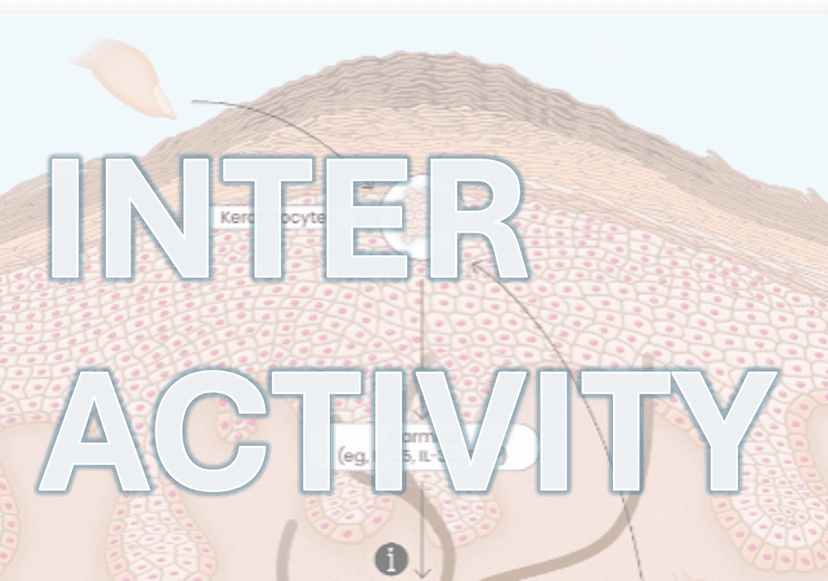
Prurigo Nodularis: Type 2 Inflammation Links Neuronal Dysfunction and Fibrosis
This infographic highlights how PN is driven by type 2 inflammation, linking immune dysregulation, fibroblast activation, and neuronal dysfunction to nodule formation. It also shows how cytokine-mediated changes in neuronal architecture increase excitability and chronic itch, where resulting lesions and scarring significantly impact patients’ psychological well-being.
The Patient Burden of Chronic Pruritus of Unknown Origin (CPUO)
An infographic describing the etiology, epidemiology, challenges in diagnosis and patient burden of CPUO.

Sarina Elmariah, MD, PhD, MPH
Associate Professor and Dermatology Director at the UCSF Centre for Itch and Neurosensory Disorders at the University of California in San Francisco, California, US
In Chronic Pruritic Skin Diseases, the Neuroimmune Axis Involves Dynamic Interactions Between Type 2 Inflammation and Sensory Nerves
In this soundbite video from the April 2025 ADVENT Forum in Lisbon, Portugal, Dr. Brian Kim describes the dynamic neuroimmune interactions in chronic pruritic skin diseases, emphasizing how type 2 cytokines and sensory nerves actively influence both itch perception and tissue inflammation.

CLCI in Atopic Dermatitis Infographic
This infographic highlights how uncontrolled moderate‑to‑severe atopic dermatitis (AD) can lead to Cumulative Life Course Impairment (CLCI) by contributing to ongoing physical, psychological, and social burdens such as itch and sleep loss, impaired bone growth and mental health challenges. It emphasizes the importance of early and effective disease control to help reduce long‑term impact on patients.