171 search results for: Pathophysiology
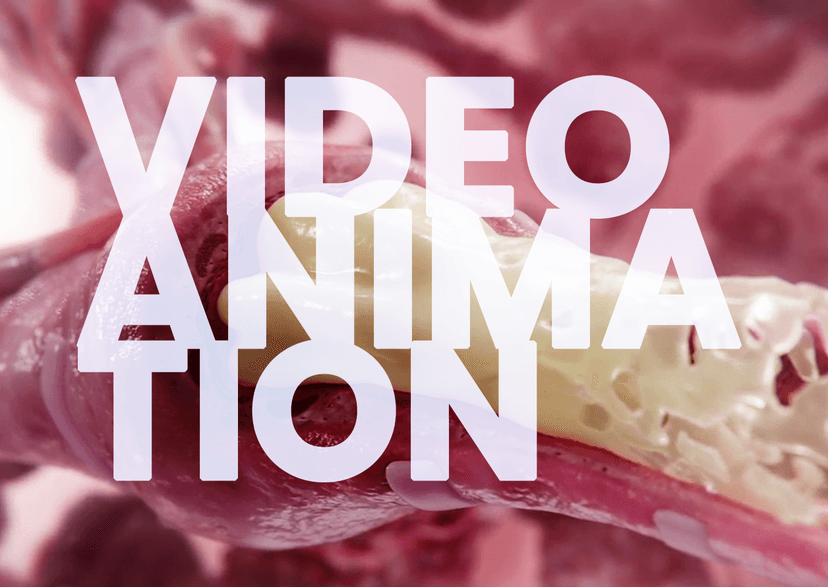
A view into the Airway: The Pathophysiology and Clinical Relevance of Mucus Plugs in Asthma
Explore the role of type 2 inflammation in the production of mucus plugs in asthma and the effects these plugs can have on patients.

Cracking the Code: Diagnosing and Managing Skin Diseases With Type 2 Inflammation
This symposium delves into the pivotal role of type 2 inflammation in diverse skin conditions, including atopic dermatitis, prurigo nodularis, chronic spontaneous urticaria, and bullous pemphigoid. It highlights both shared and distinct disease mechanisms and patient burdens, providing crucial insights for optimizing clinical management strategies through a series of engaging panel discussions with Drs Eichenfield, Elmariah, Culton, and Hawkes.
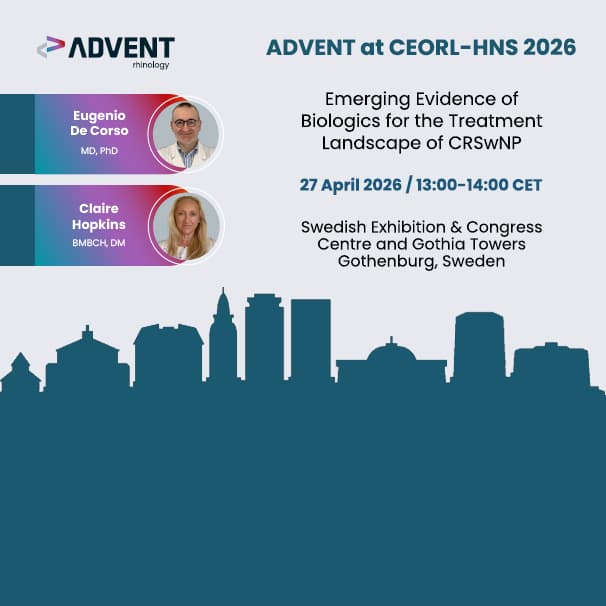
ADVENT at CEORL-HNS 2026
Join Sanofi and Regeneron for an educational symposium on type 2 inflammation, patient characteristics predictive of disease recurrence, and emerging real-world evidence for biologics in CRSwNP.

IDS LearnSkin ADVENT Symposium
Join expert James Song for an educational symposium dispelling myths surrounding the inflammatory pathways and clinical features of atopic dermatitis.
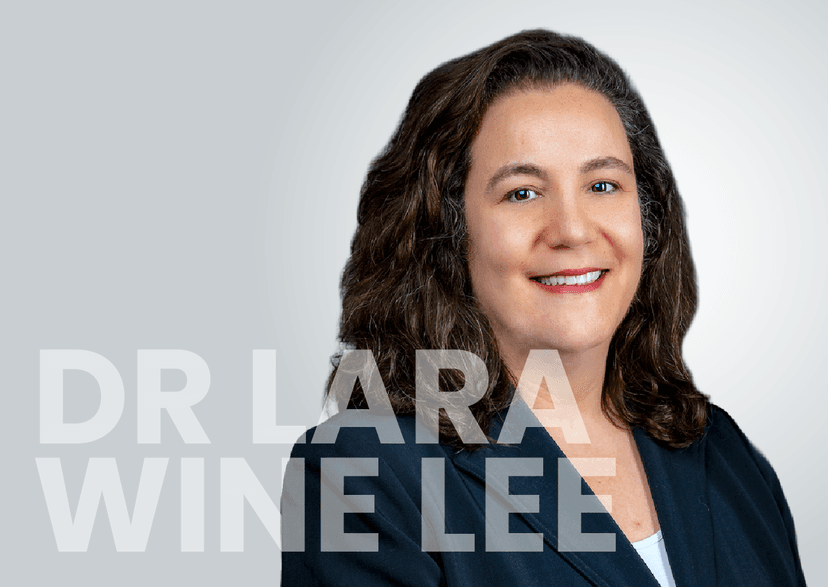
Beyond the Skin: Cumulative Disease Burden in Children With Atopic Dermatitis
Dr. Lara Wine Lee discusses the concept of cumulative life course impairment in AD, focusing on non-atopic comorbidities like vertical growth deficits and mental health impairment and how these might be preventable with early intervention at PeDRA 2025.
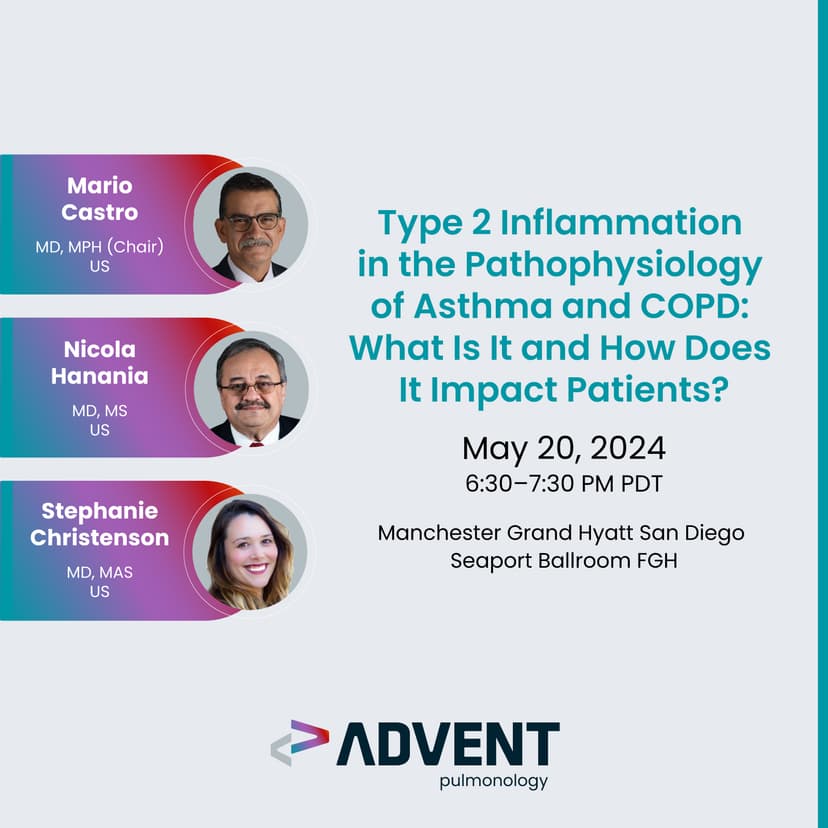
ATS 2024 | Type 2 Inflammation in the Pathophysiology of Asthma and COPD: What Is It and How Does It Impact Patients?
Join experts Mario Castro, Nicola Hanania, and Stephanie Christenson for an educational symposium on the real-world impact of underlying type 2 inflammation on the patient burden of asthma and COPD.
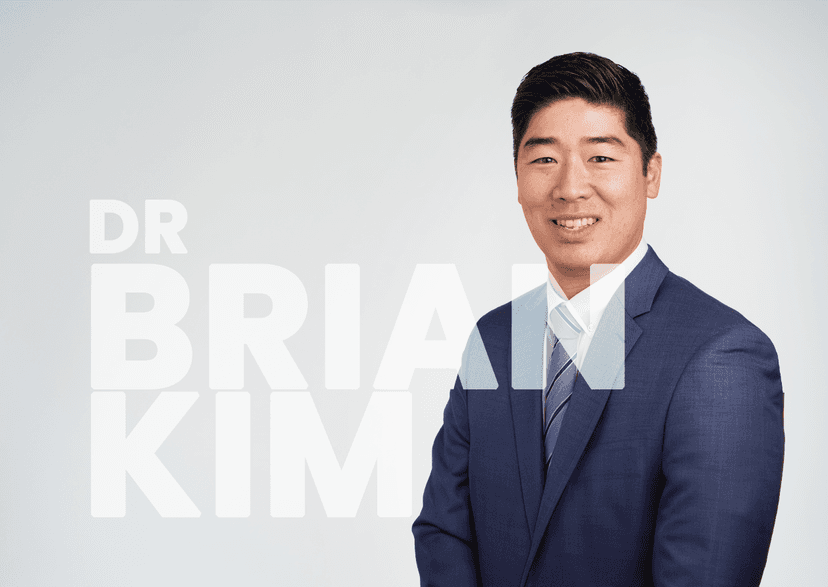
Demystifying CPUO: Diagnosis and the Role of Type 2 Inflammation
Join Dr. Brian Kim in discussing the diagnosis of CPUO and the role of type 2 inflammation in disease pathophysiology.
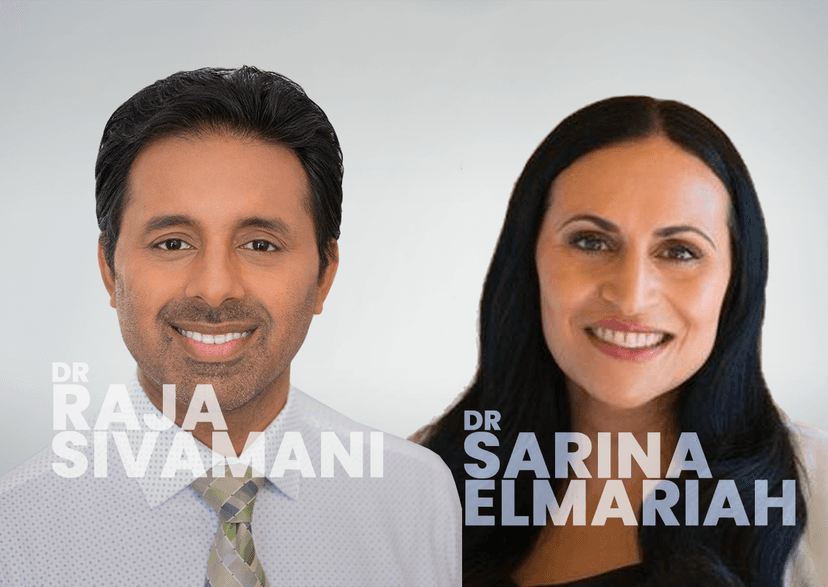
Scratching the Surface: Understanding Itch in Prurigo Nodularis
Join experts Drs. Raja Sivamani and Sarina Elmariah as they discuss the clinical signs and high patient burden of PN, explore PN pathophysiology, and examine diagnostic challenges.

The Role of IL-4 and IL-13 in CSU
The pathophysiology of chronic spontaneous urticaria (CSU) is complex and involves mast cell degranulation and elements of type 2 inflammation. Learn more about the role of mast cells, basophils, and type 2 inflammatory cells and cytokines involved in the pathophysiology of CSU.
ADVENT On Air | Expert Discussions in Dermatology
Listen to the latest updates in type 2 inflammatory science and associated skin diseases, brought to you by leading dermatology experts in the field. ADVENT On Air podcasts feature scientific conversations that explore new research into the pathophysiology, clinical features, and disease burden for a range of dermatological diseases linked to type 2 inflammation, including atopic dermatitis (AD) and prurigo nodularis (PN). Hear new insights revealed through expert-led conversations below or in your preferred podcast app.


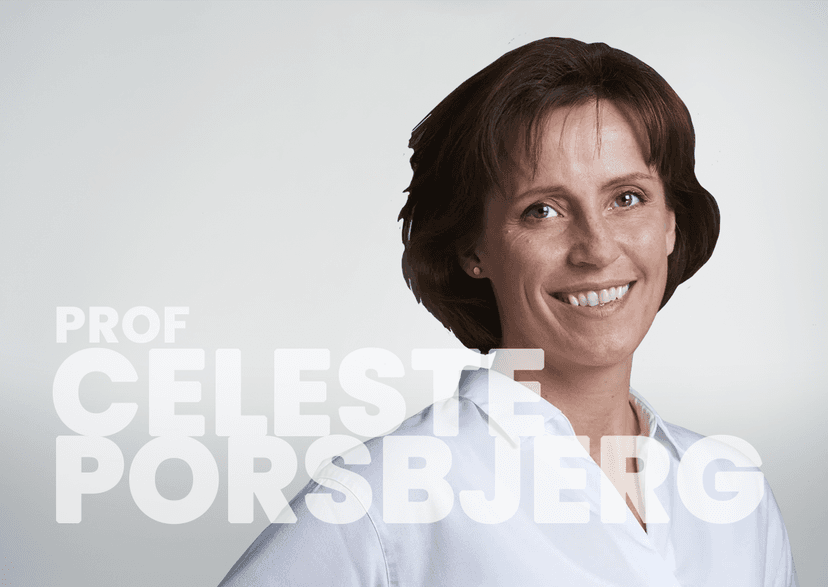
ERS 2024 | Pathophysiologic Mechanisms of Airway Remodeling in Severe Asthma
Professor Celeste Porsbjerg presents the pathophysiology and disease processes involved in airway remodeling in severe asthma.
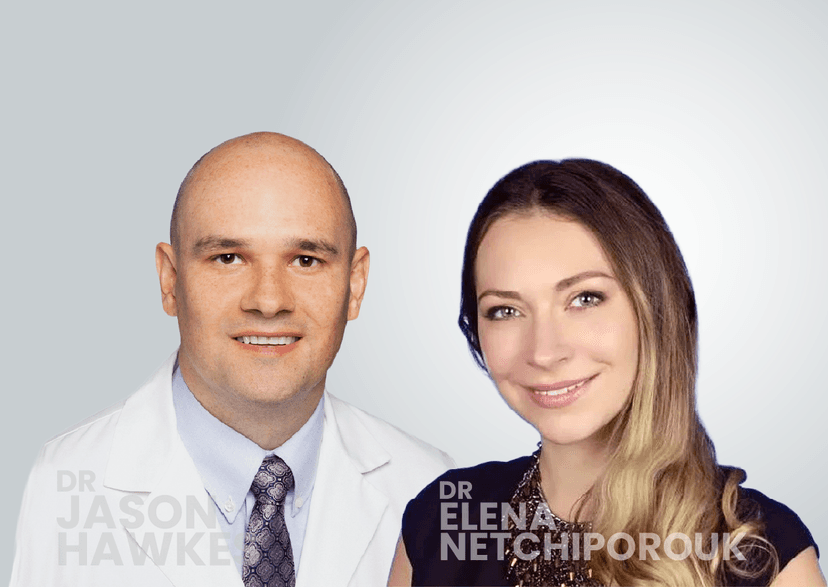
Broadening the Lens: Clinical and Immunological Insights That Inform CSU Management
Professors Netchiporouk and Hawkes discuss the clinical features and pathophysiology of CSU, at EADV 2025.
