223 search results for: Burden of Disease

Bullous Pemphigoid Is a Challenging Disease to Manage
Dr. Donna Culton discusses the difficulties in managing patients with bullous pemphigoid who are often older and medically vulnerable.

The Shared Path: Type 2 Inflammation As a Driver of Chronic Itch
Professor Matthias Augustin highlights the role of type 2 inflammation in chronic itch across distinct pruritic skin diseases and the cumulative burden of chronic itch and skin lesions in PN.
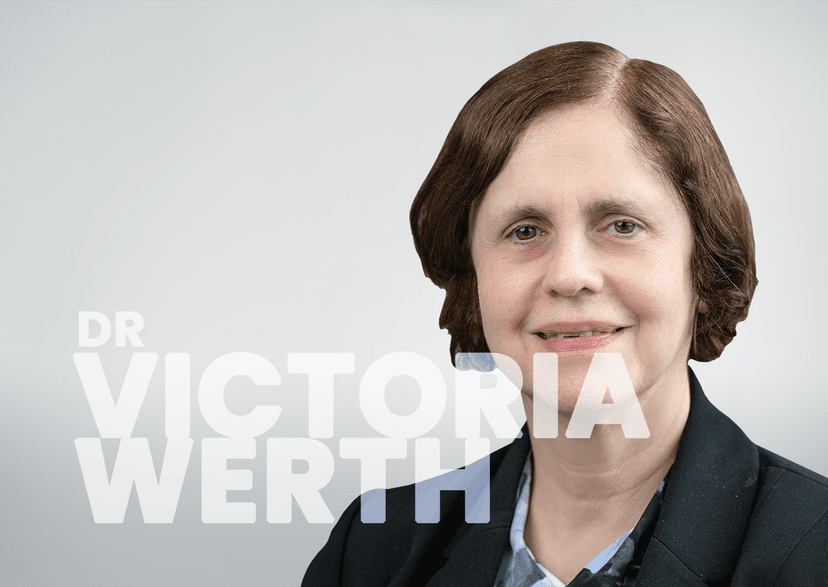
Blisters and Beyond: Autoimmunity Meets Type 2 Inflammation in Bullous Pemphigoid
Join Dr. Victoria Werth in exploring the clinical presentation of BP and how type 2 inflammation contributes to the development of disease signs and symptoms
How Biologic Therapy May Lead to Disease Modification in Infants and Children with Atopic Dermatitis
The underlying pathophysiology of atopic dermatitis (AD) is driven by dysregulation of type 2 immunity that contributes to skin barrier dysfunction. AD typically develops very early in life and children with AD often develop other atopic conditions such as food allergy, asthma, and allergic rhinitis in a progression called the atopic march. Early treatment may help reduce the atopic march and other comorbidities to lessen the lifetime burden created by these diseases. There may even be a window of opportunity for disease modification.

Atopic Dermatitis: Pathomechanisms: Clarifying Perspectives and Misconceptions
Join Lisa Swanson, MD, and Gina Mangin, MPAS, PA-C, for an in-depth discussion on the immunopathogenesis of atopic dermatitis (AD), highlighting the central role of key type 2 inflammatory pathways in disease development and progression. This program explores how these pathways contribute to clinical manifestations across the AD spectrum and addresses common perceptions and misconceptions surrounding AD pathomechanisms, offering clarifying insights to support informed clinical decision-making.

Barrier Breakdown: The Role of Type 2 Inflammation in AD and Atopic Sensitization
Dr. Jeff Yu presents the clinical presentation of pediatric AD and highlights how type 2 inflammation contributes to symptoms and development of atopic comorbidities such as food allergy and asthma at PeDRA 2025
Cracking the Code: Diagnosing and Managing Skin Diseases With Type 2 Inflammation
This 2-hour educational program delves into the pivotal role of type 2 inflammation in diverse skin conditions, including atopic dermatitis, prurigo nodularis, bullous pemphigoid, and chronic spontaneous urticaria. It will highlight both shared and distinct disease mechanisms and patient burdens, providing crucial insights for optimizing clinical management strategies. Experts will guide the audience through diverse patient cases to illuminate diagnostic nuances and the pathophysiology of each condition. These cases will also highlight the importance of shared decision-making and the broadening of treatment goals beyond symptom control. Dynamic panel discussion and active audience participation will be facilitated through real-time polling and curated Q&A sessions.

Understanding the Impact of Pediatric Atopic Dermatitis on Vertical Growth
This infographic examines the increased risk of low bone mineral density and impaired vertical growth observed in pediatric atopic dermatitis (AD).
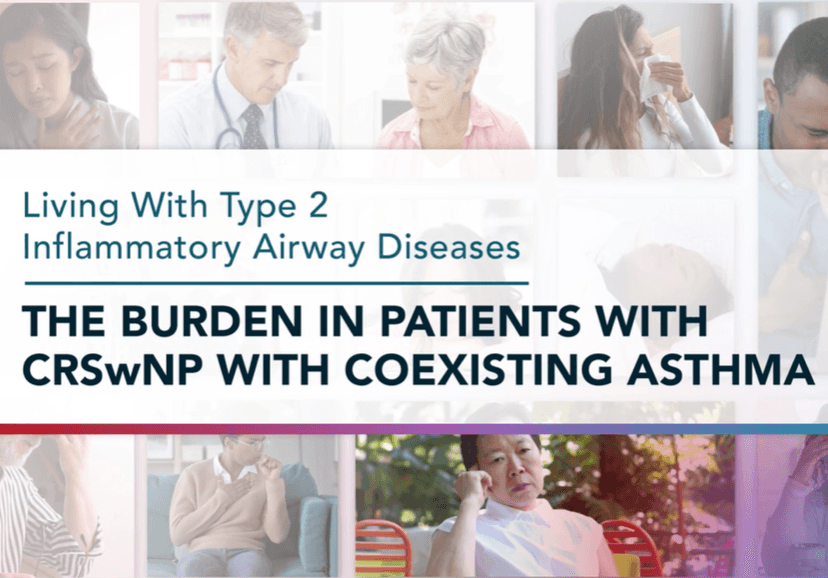
The Burden in Patients with CRSwNP and Coexisting Asthma
This video supports improved clinical awareness and encourages comprehensive care strategies for patients living with both CRSwNP and asthma.

Itch in Prurigo Nodularis
In this soundbite video from the April 2025 ADVENT Forum in Lisbon, Portugal, Dr Brian Kim discuss the burdensome itch in prurigo nodularis, the multifactorial etiology of the disease, and the multiple pathological factors that contribute to chronic itch and skin inflammation in PN.
ADVENT On Air | Expert Discussions in Dermatology
Listen to the latest updates in type 2 inflammatory science and associated skin diseases, brought to you by leading dermatology experts in the field. ADVENT On Air podcasts feature scientific conversations that explore new research into the pathophysiology, clinical features, and disease burden for a range of dermatological diseases linked to type 2 inflammation, including atopic dermatitis (AD) and prurigo nodularis (PN). Hear new insights revealed through expert-led conversations below or in your preferred podcast app.


Bullous Pemphigoid: Insights and Innovations
Experience this engaging presentation by Dr. Donna Culton, Prof. Dédée Murrell, and Prof. Ulrike Raap, who highlight the heterogeneous clinical presentations of BP and its burden, delve beneath the surface into how autoimmunity and predominantly type 2 inflammation mediate the disease, and explore the evolving toolbox of current approaches in BP management.
