58 search results for: coexisting diseases
Bullous Pemphigoid: Insights and Innovations
Experience this engaging presentation by Dr. Donna Culton, Prof. Dédée Murrell, and Prof. Ulrike Raap, who highlight the heterogeneous clinical presentations of BP and its burden, delve beneath the surface into how autoimmunity and predominantly type 2 inflammation mediate the disease, and explore the evolving toolbox of current approaches in BP management.

Master Clinician Video | Empowering Our Patients: Patient-Centered Practice and Follow-Up in the Clinic (Chapter 4)
This chapter focuses on the importance of shared decision-making and regular, long-term monitoring of histology and endoscopy, not just symptoms.
A Tale of Two Itches: Bridging the Gap With Type 2 Inflammation in PN and CSU
Join Drs. Elmariah, Kim, and Metz as they explore the latest research on neuro-immune mechanisms driving chronic itch and inflammation in PN and CSU.
EoE Burden and Pathophysiology of Type 2 Inflammation
Learn about the significant burden that patients with EoE experience, and the role of type 2 inflammation in this chronic, progressive disease.
ADVENT On Air | Be on the Lookout for EoE: The Importance of Early Diagnosis
Join Dr. Aceves and Ms. Ugras as they share their insights on how to identify potential patients with EoE and the importance of early diagnosis.

ADVENT On Air | Back Again: Predicting Recurrence in Chronic Rhinosinusitis with Nasal Polyps
Learn from Drs. Buchheit and Wagenmann as they discuss key patient traits that predict disease recurrence in CRSwNP.
Decoding Chronic Itch and More in PN: Implications of Real-World Data for Clinical Practice
Join Professors Matthias Augustin and Sarina Elmariah for an engaging ADVENT symposium as they explore the pivotal role of type 2 inflammation in prurigo nodularis and chronic itch.

Master Clinician Video | Advanced Clinical Practice in EoE (Full)
Learn how a food bolus impaction event can help identify a patient with EoE and the importance of multiple disease domains in assessing EoE.
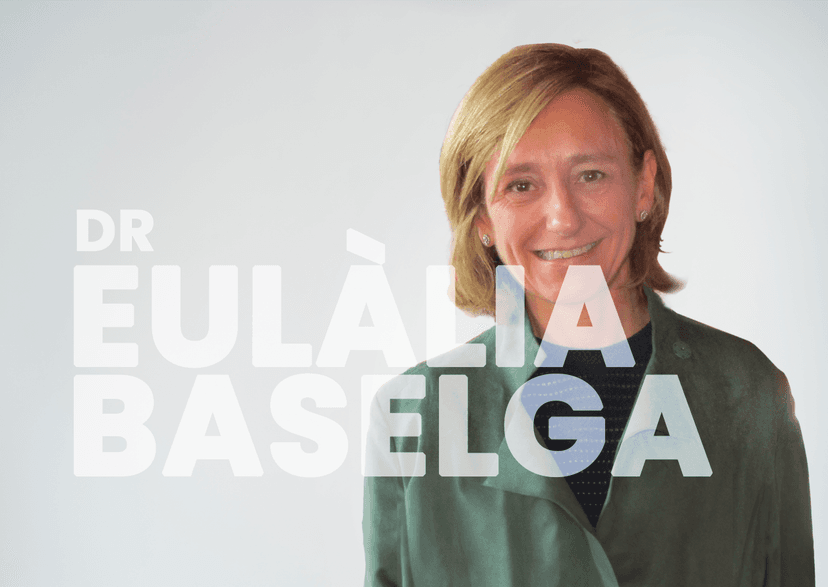
Charting the Future: Preventing the Atopic March
In this clip from the April WCPD 2025 symposium, Dr Eulàlia Baselga discusses data identifying atopic dermatitis as the first diagnosed atopic disease and the start of the atopic march.
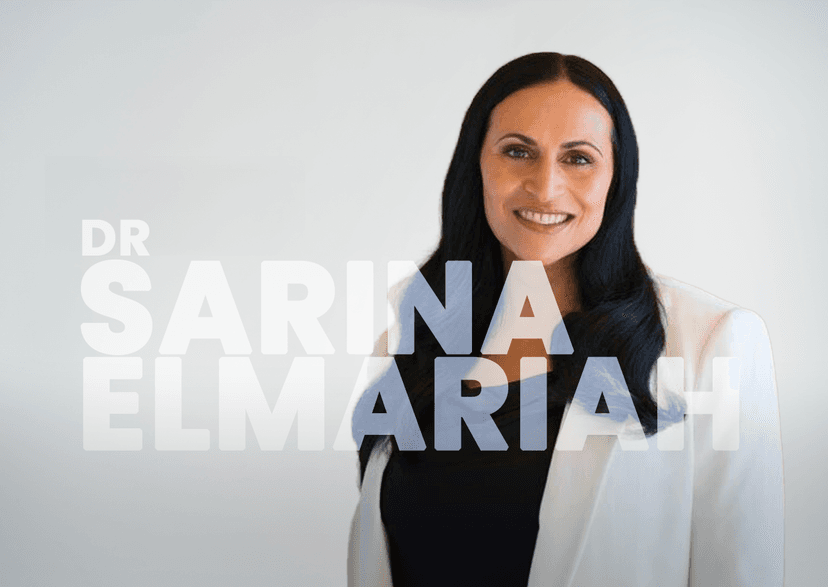
Patients With Prurigo Nodularis Have a High Prevalence of Atopic and Non-Atopic Comorbidities
Listen as Dr. Sarina Elmariah explores the comorbidities associated with prurigo nodularis.
Prurigo Nodularis Is a Challenging Diagnosis
Join Dr. Sarina Elmariah as she discusses the challenges in diagnosing prurigo nodularis.
