94 search results for: Atopic Dermatitis

CLCI in Atopic Dermatitis Infographic
This infographic highlights how uncontrolled moderate‑to‑severe atopic dermatitis (AD) can lead to Cumulative Life Course Impairment (CLCI) by contributing to ongoing physical, psychological, and social burdens such as itch and sleep loss, impaired bone growth and mental health challenges. It emphasizes the importance of early and effective disease control to help reduce long‑term impact on patients.

Atopic Dermatitis as a Risk Factor for the Development of Food Allergies
In this video from the 2024 Society for Pediatric Dermatology Symposium held in Toronto, Canada, Dr. Peter Lio, MD discusses the role of atopic dermatitis as a risk factor for developing food allergies.

Emerging Perspectives on the Disease Burden and Management of Children with Atopic Dermatitis
Join Christine Bangert and Perla Lansang for an educational symposium on atopic dermatitis (AD) in children, exploring the diagnosis and pathophysiology of AD in children, the life-long effects of uncontrolled disease beyond the skin, and current and emerging therapies.
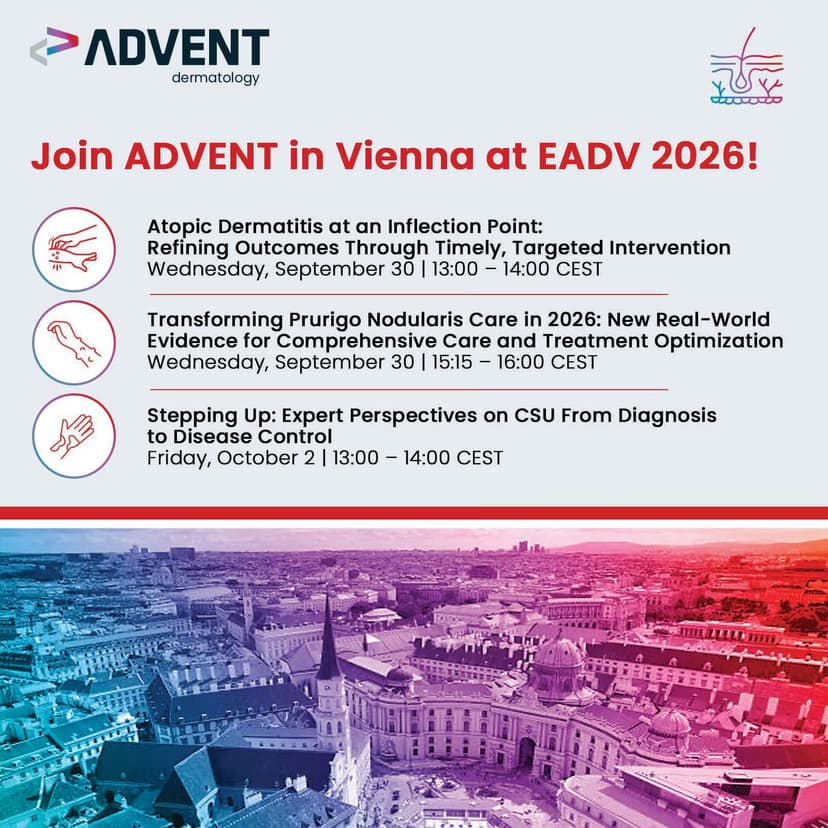
ADVENT at EADV 2026
Please join the ADVENT program at EADV 2026 for educational sessions on AD, PN, and CSU! Experience 3 high-impact sessions led by world-renowned experts, bridging scientific innovation with real-world clinical outcomes.

Decoding the Clinical Puzzle: Navigating Diagnostic Complexity Across Inflammatory Skin Diseases
Dr Sarina Elmariah highlights the clinical challenges in diagnosing inflammatory skin diseases, using prurigo nodularis as a case study. Drs Culton, Eichenfield, and Hawkes then join in to discuss additional challenges and complexities when diagnosing other skin diseases.
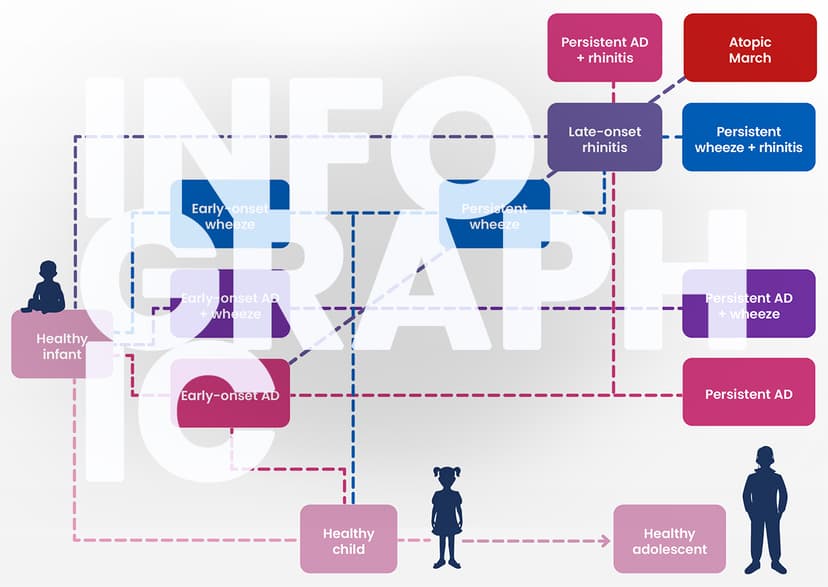
The Role of Type 2 Inflammation in Multiple Disease Trajectories
How type 2 inflammation drives atopic dermatitis and underlies other atopic diseases across multiple disease trajectories including the atopic march.

Underlying Type 2 Inflammation Drives a Chronic Itch-Scratch Cycle in Atopic Dermatitis
In this soundbite video from the April 2025 ADVENT Forum in Lisbon, Portugal, Dr. Brian Kim explains how underlying type 2 inflammation sustains the chronic itch-scratch cycle in atopic dermatitis, highlighting the interplay of barrier dysfunction, cytokine signaling, and neuronal activation.

Beyond the Skin: Cumulative Disease Burden in Children With Atopic Dermatitis
Dr. Lara Wine Lee discusses the concept of cumulative life course impairment in AD, focusing on non-atopic comorbidities like vertical growth deficits and mental health impairment and how these might be preventable with early intervention at PeDRA 2025.

Atopic Dermatitis Learning Hub
Welcome to the AD learning hub focused on key scientific education on atopic dermatitis, featuring ADVENT resources.

Key Treatment Considerations for Management of Atopic Dermatitis in Children
In this highlight video from the October 2024 ADVENT symposium at EAPS in Vienna, Austria, Dr Perla Lansang reviews the key considerations for management of AD that is uncontrolled with topical therapies in children and the criteria to determine whether a patient is indicated for systemic therapy

Atopic Dermatitis and Prurigo Nodularis: Clarifying Perspectives and Common Misconceptions
This is the ADVENT-branded video of the IDEF presentation that was presented during the 1-hour webinar on December 1st featuring both Dr. Sarina Elmariah and Dr. Jason Hawkes.

Navigating Complex Definitions: Early Intervention and Disease Modification in Atopic Dermatitis
Dr. Amy Paller discusses the evolving concepts of early intervention and disease modification in AD and describes potential biomarkers of subclinical control at EADV 2025.
