64 search results for: quality of life
ADVENT Forum 2025 On Demand page
Watch on-demand expert soundbites recorded at the April 2025 ADVENT Forum in Lisbon, Portugal, featuring dermatology and immunology perspectives on mechanisms and clinical practice. Topics range from disease mechanism to patient care and quality of life, spanning atopic dermatitis (AD), prurigo nodularis (PN), chronic spontaneous urticaria (CSU) and bullous pemphigoid (BP).
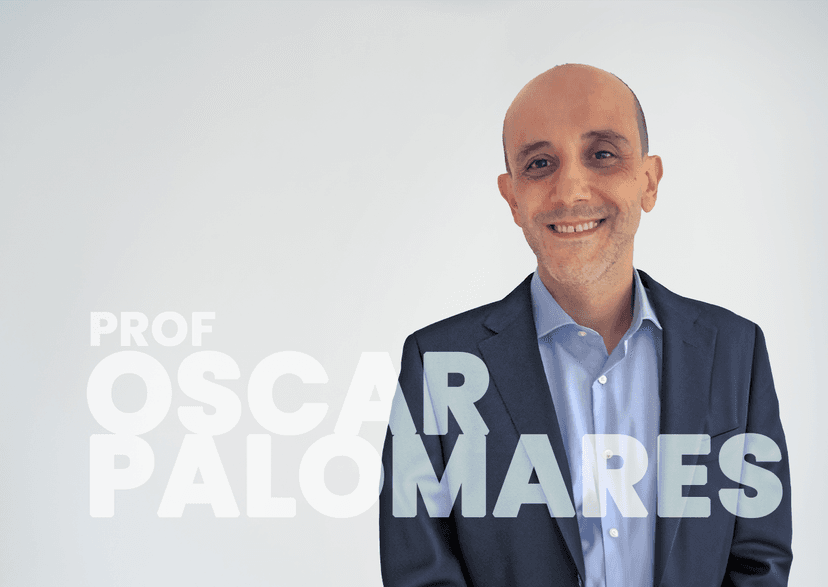
Type 2 Inflammatory Diseases Can Negatively Impact Patients and Their Caregivers
In this soundbite video from the April 2025 ADVENT Forum in Lisbon, Portugal, Prof Oscar Palomares highlights the substantial impact of type 2 inflammatory diseases on the quality of life of patients and their caregivers.
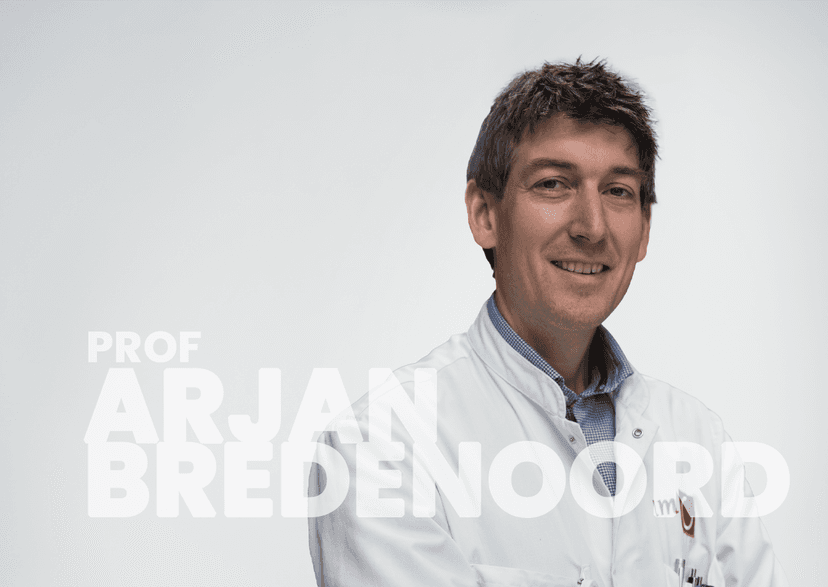
Impact of Delayed EoE Diagnosis on Disease Progression and QoL
Join Prof. Arjan Bredenoord as he discusses the importance of early diagnosis of EoE.

Managing the Risk of Fibrostenosis in EoE
Hear from Drs. Jason Lee, Kathryn Peterson, Seema Aceves, and Ikuo Hirano on disease progression and the importance of managing fibrostenotic risk in EoE.
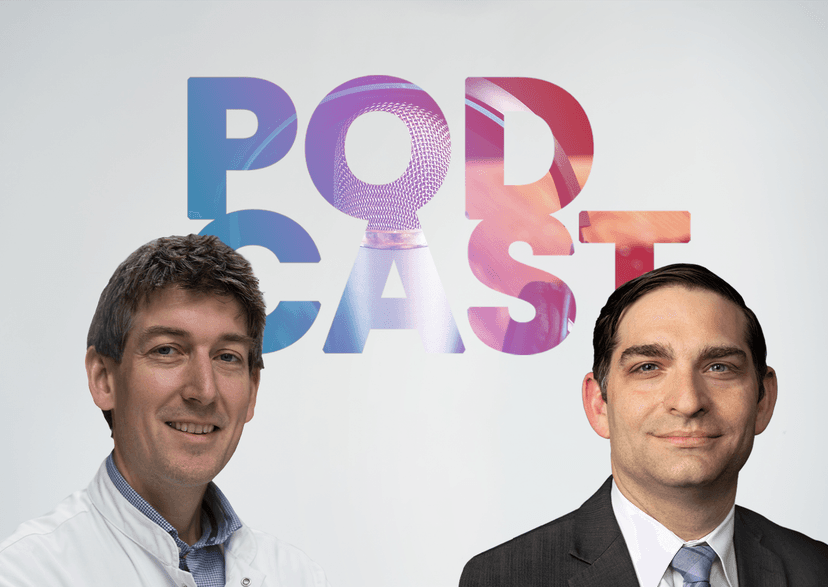
ADVENT On Air | More Than Just Difficulty Swallowing: EoE Burden and Diagnosis
Hear Dr. Wechsler and Prof. Bredenoord discuss the multifaceted burden of EoE and how to overcome challenges in identifying EoE in clinical practice.

Pediatric EoE: An Interactive Learning Symposium
Professors Oliva and Hӧrning explore the journey of pediatric patients with EoE through diagnosis, disease progression, and treatment.
Lung Function Decline: Why it Matters and What’s at Stake for Patients
Understand the drivers of lung function decline in chronic obstructive pulmonary disease (COPD), including chronic inflammation, key risk factors, and the impact on patient well-being .
National Eosinophil Awareness Week 2024 | May 19-25
In recognition of National Eosinophil Awareness Week, ADVENT is providing medical education resources to increase awareness of eosinophilic esophagitis (EoE).
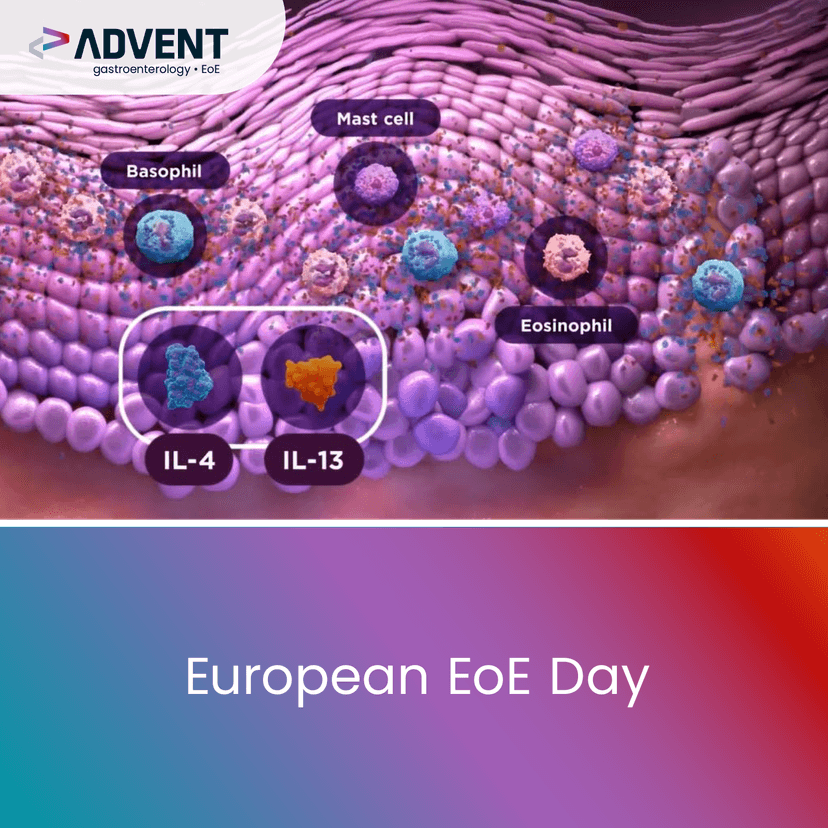
European EoE Day 2024 | May 22
In recognition of European EoE Day, ADVENT is providing medical education resources to increase awareness of eosinophilic esophagitis (EoE).

What Went Wrong? How Dysregulated Type 2 Immunity Contributes to AD, PN, CSU, and BP
The March 2025 ADVENT symposium in Orlando, Florida brought together 4 dermatology experts to explore the evolving science of type 2 inflammation. Type 2 inflammation plays a central role in the pathophysiology of multiple dermatological diseases, driving chronic immune dysregulation that affects patients with atopic dermatitis (AD) prurigo nodularis (PN), chronic spontaneous urticaria (CSU) and bullous pemphigoid (BP). Understanding the mechanisms behind type 2 inflammation is key to advancing care and improving patient quality of life.

Emerging Perspectives on the Disease Burden and Management of Children with Atopic Dermatitis
Join Christine Bangert and Perla Lansang for an educational symposium on atopic dermatitis (AD) in children, exploring the diagnosis and pathophysiology of AD in children, the life-long effects of uncontrolled disease beyond the skin, and current and emerging therapies.

ERS 2025 | Less Flare, More Function: Recognizing the Full Spectrum of COPD Patient Outcomes
Join Drs. Nicola Hanania, Surya Bhatt, and Celeste Porsbjerg for a session exploring the burden of COPD in patients with type 2 inflammation and review key cytokine pathways and Phase 3 data on emerging biologic therapies.
