20 search results for: disease modification

The Growing Burden: Cumulative Disease Impact and Comorbidities in Pediatric AD
Dr. Yu and Dr. Wine Lee discuss the clinical presentation and burden of atopic dermatitis, the role of type 2 inflammation in the development of atopic comorbidities, and the importance of early intervention in potentially preventing cumulative life course impairment in AD at PeDRA 2025.

ADVENT at ERS 2025
Join leading pulmonologists across asthma and COPD for educational symposia at the ERS congress in Amsterdam, Netherlands.
Bullous Pemphigoid: Insights and Innovations
Experience this engaging presentation by Dr. Donna Culton, Prof. Dédée Murrell, and Prof. Ulrike Raap, who highlight the heterogeneous clinical presentations of BP and its burden, delve beneath the surface into how autoimmunity and predominantly type 2 inflammation mediate the disease, and explore the evolving toolbox of current approaches in BP management.
ADVENT On Air | Expert Discussions in Dermatology
Listen to the latest updates in type 2 inflammatory science and associated skin diseases, brought to you by leading dermatology experts in the field. ADVENT On Air podcasts feature scientific conversations that explore new research into the pathophysiology, clinical features, and disease burden for a range of dermatological diseases linked to type 2 inflammation, including atopic dermatitis (AD) and prurigo nodularis (PN). Hear new insights revealed through expert-led conversations below or in your preferred podcast app.


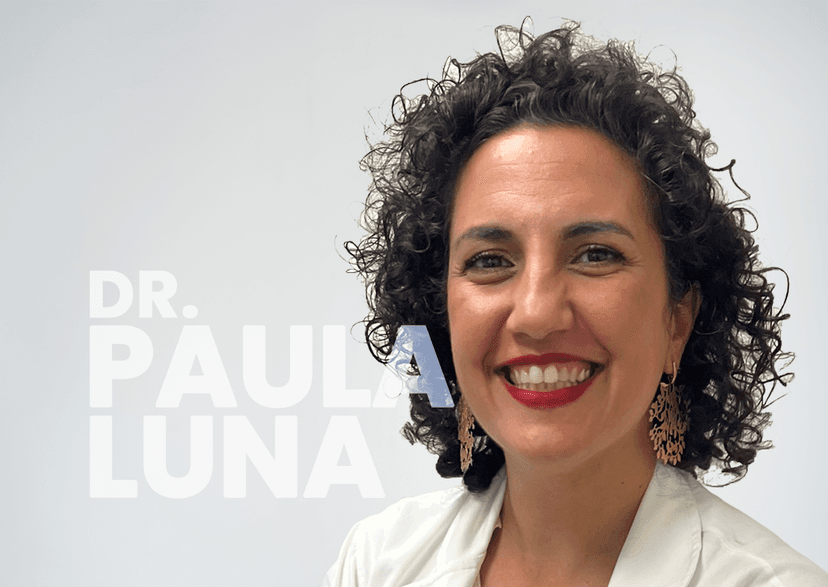
KOL Video Interview – Dr Paula Luna
In this exclusive video interview, Dr Paula Luna discusses how disease modification can be defined in AD and how IgE may be used as a biomarker in AD.

ERS 2025 Enduring Video: Type 2 Severe Asthma “Unplugged”: Reducing Mucus to Improve Long- Term Patient Outcomes
Join Drs. Njira Lugogo, Simon Couillard, and Mario Castro for a session exploring the link between pathogenic mucus and impaired lung function in patients with moderate-to-severe asthma and the potential for disease modification with targeted therapy.
ADVENT at WCPD 2025
The ADVENT symposium at the 15th World Congress of Pediatric Dermatology (WCPD) will focus on discussions around disease modification in atopic dermatitis (AD) in three main topic areas: restoring the skin barrier, reducing non-atopic comorbidities, and stopping the atopic march in pediatric patients with AD aged 6 months to 11 years.
