30 search results for: comorbidities

ADVENT On Air Podcast: Unmet Needs and Current Treatment Landscape with Bullous Pemphigoid
In this podcast, Dr. Teri Greiling and Dr. Daniel Butler discuss the enormous burden patients with bullous pemphigoid experience and how our understanding of the disease pathophysiology may help address unmet treatment needs.
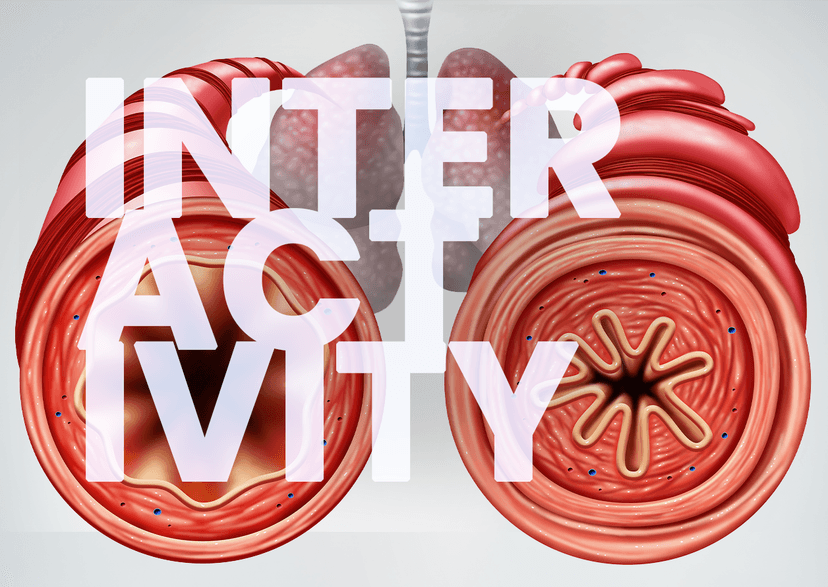
The Compounded Burden of CRSwNP and Asthma
This infographic illustrates the compounded burden of coexisting CRSwNP and asthma and explains how type 2 inflammation underlies both conditions and impacts clinical outcomes in patients.
Time to Act: Reducing the Impact of Uncontrolled Disease Through Early Intervention
Dr Jason Hawkes describes the importance of early intervention for patients with uncontrolled skin diseases and the effectiveness of evidence-based management strategies, sharing a patient case and his clinical insights with chronic spontaneous urticaria. Drs Eichenfield, Elmariah, and Culton join to review the burdens faced by patients with atopic dermatitis, prurigo nodularis, and bullous pemphigoid, respectively.
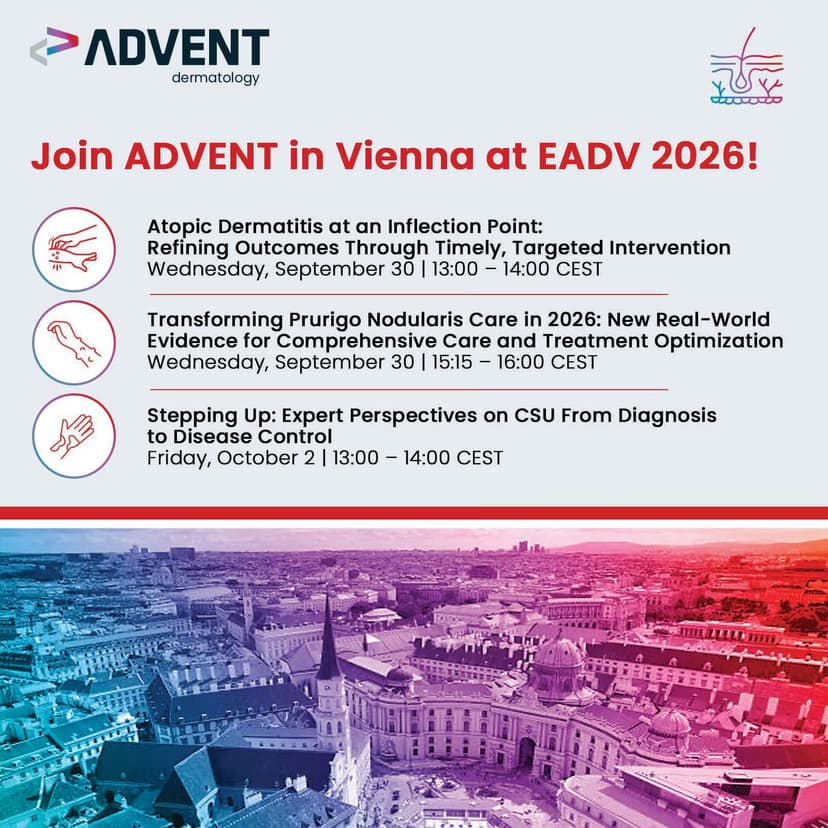
ADVENT at EADV 2026
Please join the ADVENT program at EADV 2026 for educational sessions on AD, PN, and CSU! Experience 3 high-impact sessions led by world-renowned experts, bridging scientific innovation with real-world clinical outcomes.

The Patient's Path: Unraveling the Diagnosis and Burden of Bullous Pemphigoid
Follow Janet, a hypothetical patient, as she navigates the difficult journey of bullous pemphigoid, starting with symptom onset to diagnosis.

Cracking the Code: Diagnosing and Managing Skin Diseases With Type 2 Inflammation
This symposium delves into the pivotal role of type 2 inflammation in diverse skin conditions, including atopic dermatitis, prurigo nodularis, chronic spontaneous urticaria, and bullous pemphigoid. It highlights both shared and distinct disease mechanisms and patient burdens, providing crucial insights for optimizing clinical management strategies through a series of engaging panel discussions with Drs Eichenfield, Elmariah, Culton, and Hawkes.
Lung Function Decline: Why it Matters and What’s at Stake for Patients
Understand the drivers of lung function decline in chronic obstructive pulmonary disease (COPD), including chronic inflammation, key risk factors, and the impact on patient well-being .
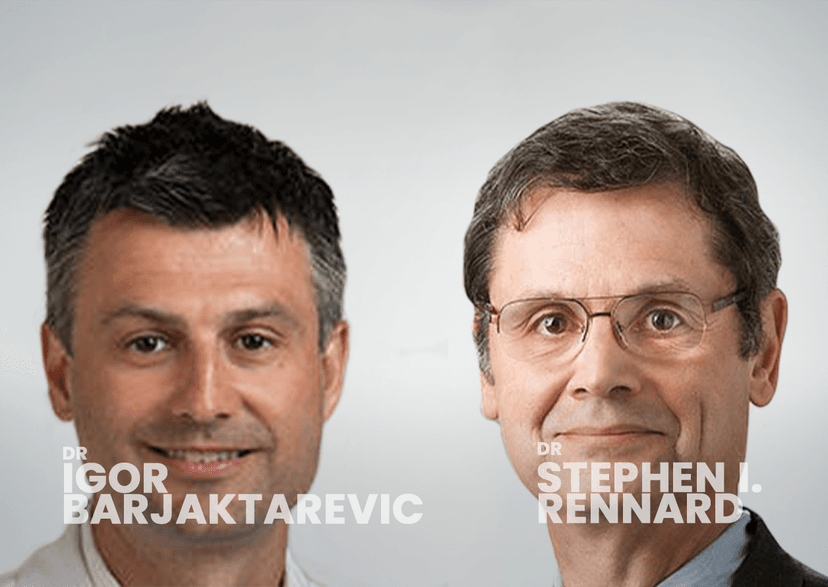
GOLD 2023 | Beyond a One Size Fits All Approach: Recognizing the Heterogeneity of COPD
Drs. Stephen I. Rennard and Igor Barjaktarevic discuss the diverse clinical aspects of COPD, emphasizing the role of inflammation and the importance of recognizing the heterogeneity of COPD.

Beyond the Visible: The Cumulative Burden of Prurigo Nodularis
Professor Matthias Augustin emphaizes that prurigo nodularis is a chronic systemic disease with a significant and multifaceted burden, encompassing both visible skin manifestations and hidden psychosocial and physical comorbidities.

The Burden of AD: More Than Skin Deep
Learn how the multidimensional, cumulative burdens of atopic dermatitis extend beyond the skin and across multiple organ systems, manifesting as atopic and non-atopic comorbidities. Even when an individual is performing well in spite of these burdens, they may still have significant life course impairment due to the cumulative impact of the disease.
ADVENT at WCPD 2025
The ADVENT symposium at the 15th World Congress of Pediatric Dermatology (WCPD) will focus on discussions around disease modification in atopic dermatitis (AD) in three main topic areas: restoring the skin barrier, reducing non-atopic comorbidities, and stopping the atopic march in pediatric patients with AD aged 6 months to 11 years.

Under the Itchy Surface: The Insidious, Cumulative Burden of Type 2 Inflammation in AD
In this soundbite video from the March 2025 ADVENT symposium in Orlando, Florida, Dr. Eric Simpson highlights the systemic nature of atopic dermatitis (AD) and how the disease burden extends beyond the skin. Through the lens of cumulative life course impairment, Dr. Simpson explores how persistent type 2 inflammation in AD may drive both atopic and nonatopic comorbidities, emphasizing the importance of early, effective treatment to alter disease progression.
