58 search results for: coexisting diseases
Distinct Mechanisms Drive Inflammation and Itch in Chronic, Type 2 Inflammatory Diseases
In this soundbite video from the April 2025 ADVENT Forum in Lisbon, Portugal, Dr Brian Kim provides an overview of itch in type 2 inflammatory skin diseases and explains how the shared and unique mechanisms that drive inflammation and itch mediate each disease in distinct ways.
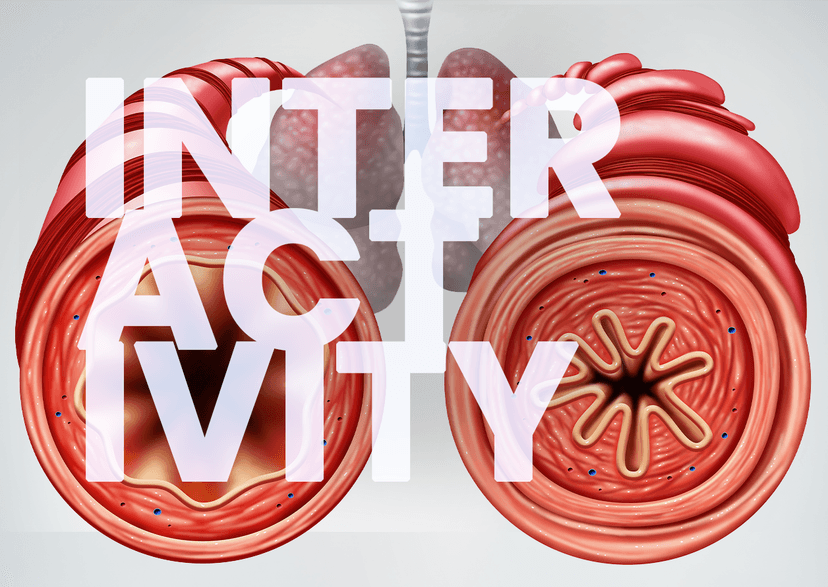
The Compounded Burden of CRSwNP and Asthma
This infographic illustrates the compounded burden of coexisting CRSwNP and asthma and explains how type 2 inflammation underlies both conditions and impacts clinical outcomes in patients.

Spotlight on Type 2 Inflammation in the Upper and Lower Airways
In this video soundbite from the EAACI 2025 symposium, Dr. Zuzana Diamant explains pathophysiological mechanisms underlying asthma and CRSwNP, and how type 2 inflammatory cytokines drive airway remodelling in patients with severe asthma. Additionally, patients with co-existing asthma and CRSwNP have a higher type 2 inflammatory burden than patients with asthma alone.
ESPGHAN 2025 Pediatric EoE: Early Identification & Type 2 Comorbidity
Dr Tzivinikos discusses the importance of early identification and management of pediatric EoE to improve long-term outcomes.

From Protective Type 2 Immunity to Aberrant Type 2 Inflammation
In this soundbite video from the April 2025 ADVENT Forum in Lisbon, Portugal, Prof. Oscar Palomares explains how type 2 immunity evolved to protect against parasites, venoms, and toxins, and how its dysregulation can result in aberrant type 2 inflammation underlying multiple chronic inflammatory diseases.
Type 2 Inflammation
In this video from the 2024 Society for Pediatric Dermatology Symposium held in Toronto, Canada, Dr. Peter Lio, MD and Dr. Amy Paller, MD discusses the multifaceted nature of atopic diseases, including environmental triggers, key Type 2 inflammatory mechanisms, and associated health risks, to understand the importance of early intervention in managing and potentially modifying disease progression.
From Symptoms to Signaling: Type 2 Inflammation Underlying AD/PN
Dr. Naiem Issa examines the shared and distinct features of atopic dermatitis and prurigo nodularis, highlighting the role of type 2 inflammation in both diseases.

The Type 2 Inflammatory Link in AD, CSU, and PN
Dr. Jason Hawkes explores the unique clinical manifestations of atopic dermatitis, chronic spontaneous urticaria, and prurigo nodularis, while highlighting the shared role of type 2 inflammation across these distinct diseases.
How Does Protective Type 2 Immunity Become Harmful Type 2 Inflammation?
In this video from the March 2025 ADVENT symposium in Orlando, Florida, Dr. Eric Simpson discusses how protective type 2 immunity can become dysregulated, leading to harmful type 2 inflammation. The associated inflammatory process can contribute to the pathophysiology of several dermatological diseases, including AD, PN, CSU, and BP.

What Went Wrong? How Dysregulated Type 2 Immunity Contributes to AD, PN, CSU, and BP
The March 2025 ADVENT symposium in Orlando, Florida brought together 4 dermatology experts to explore the evolving science of type 2 inflammation. Type 2 inflammation plays a central role in the pathophysiology of multiple dermatological diseases, driving chronic immune dysregulation that affects patients with atopic dermatitis (AD) prurigo nodularis (PN), chronic spontaneous urticaria (CSU) and bullous pemphigoid (BP). Understanding the mechanisms behind type 2 inflammation is key to advancing care and improving patient quality of life.
Challenging Misconceptions for Better Patient Care in AD and PN: Insight into Type 2 Inflammation
This symposium explores the key role type 2 inflammation plays in atopic dermatitis and prurigo nodularis and debunks common misconceptions about these skin diseases with key insights from Drs Ahuva Cices and Naiem Issa.
EoE: A Chronic, Progressive, Type 2 Inflammatory Disease Infographic
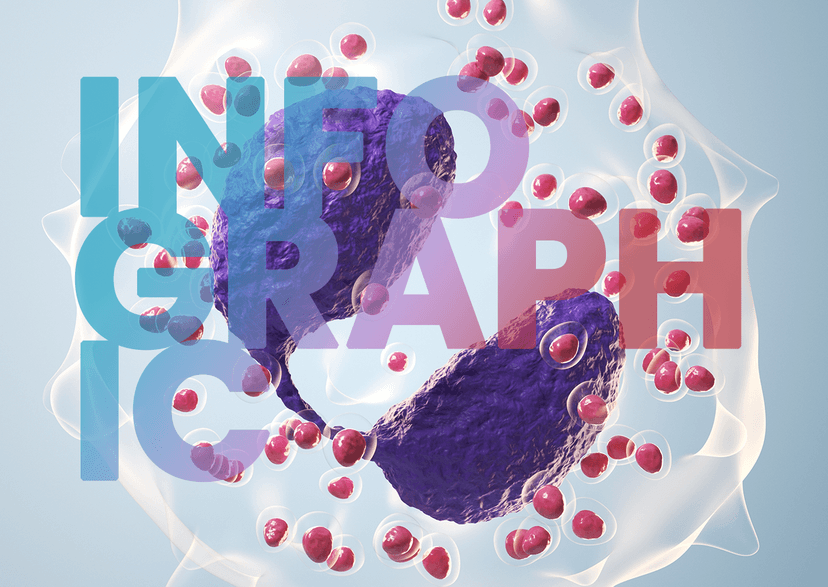
Learn about key drivers of type 2 inflammation in EoE and how they mediate progressive esophageal remodeling and impact patient burden
