211 search results for: burden of disease

Bullous Pemphigoid (BP): Don't Miss the Diagnosis
This static infographic covers the clinical presentations, diagnostic challenges, and disease burden of bullous pemphigoid (BP), a chronic relapsing autoimmune skin disease. Review the steps of diagnosis, which include clinical assessment and laboratory work. Explore comorbidities associated with BP and how they impact patient quality of life.
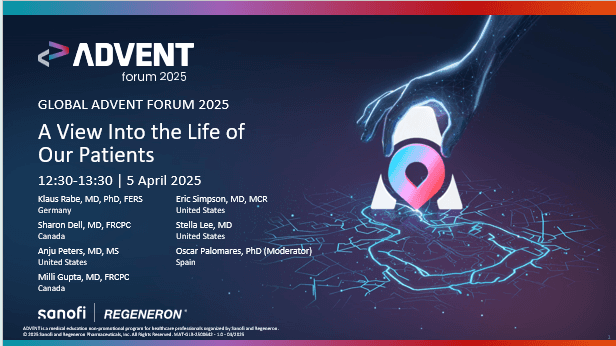
2025 ADVENT Forum | Joint Plenary Session: A View into the Life of Our Patients Video
This cross-TA plenary session addressed challenges in type 2 inflammation-driven diseases. Esteemed faculty, including Profs Klaus Rabe, Sharon Dell, Anju Peters, Milli Gupta, Eric Simpson, Stella Lee, and moderator Oscar Palomares, discussed strategies to enhance quality of life, reduce disease burden, and prioritize patient-centered care.

The Growing Burden: Cumulative Disease Impact and Comorbidities in Pediatric AD
Dr. Yu and Dr. Wine Lee discuss the clinical presentation and burden of atopic dermatitis, the role of type 2 inflammation in the development of atopic comorbidities, and the importance of early intervention in potentially preventing cumulative life course impairment in AD at PeDRA 2025.
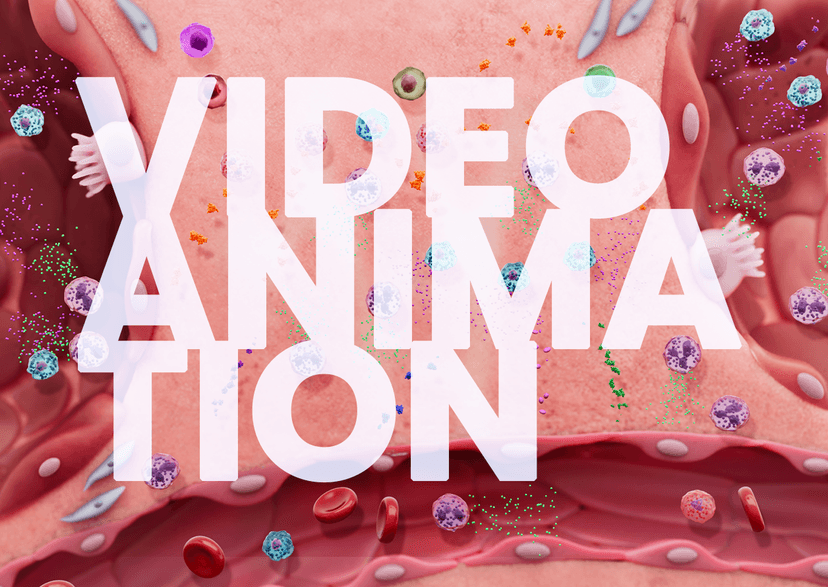
Pathways to Disease: Inflammation in Chronic Obstructive Pulmonary Disease Video
Learn about the significant burden that patients with COPD experience and the role of inflammatory mechanisms in this chronic, often progressive disease.

Beyond the Visible: The Cumulative Burden of Prurigo Nodularis
Professor Matthias Augustin emphaizes that prurigo nodularis is a chronic systemic disease with a significant and multifaceted burden, encompassing both visible skin manifestations and hidden psychosocial and physical comorbidities.
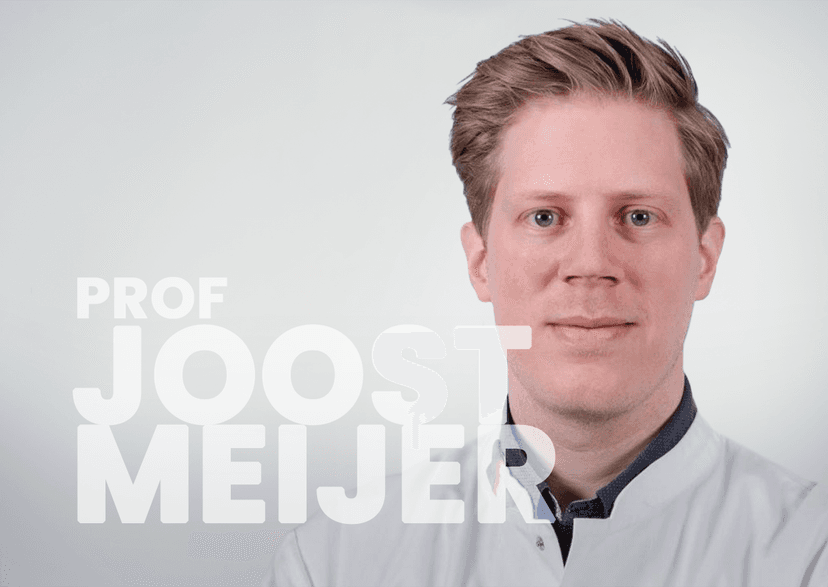
What We Know About Bullous Pemphigoid (BP): Challenges of the Various Clinical Manifestations, Diagnosis, and Burden for Patients and Caregivers
In this ADVENT symposium at the 2024 EADV meeting, Professor Joost Meijer highlights the heterogeneous nature of BP and the resultant burden for patients.

ADVENT On Air Podcast: Unmet Needs and Current Treatment Landscape with Bullous Pemphigoid
In this podcast, Dr. Teri Greiling and Dr. Daniel Butler discuss the enormous burden patients with bullous pemphigoid experience and how our understanding of the disease pathophysiology may help address unmet treatment needs.

Coexisting Type 2 Inflammatory Diseases Can Add to the Patient Overall Disease Burden
In this soundbite video from the April 2025 ADVENT Forum in Lisbon, Portugal, Prof. Oscar Palomares highlights how patients with type 2 inflammatory diseases often experience multimorbidities, with overlapping symptoms that amplify their overall disease burden and impact quality of life.

Prurigo Nodularis (PN): Understanding Its Clinical Features, Complex Burden, and Underlying Mechanisms
Explore the clinical features, complex burden, and underlying mechanisms of PN.

Beyond the Skin: Cumulative Disease Burden in Children With Atopic Dermatitis
Dr. Lara Wine Lee discusses the concept of cumulative life course impairment in AD, focusing on non-atopic comorbidities like vertical growth deficits and mental health impairment and how these might be preventable with early intervention at PeDRA 2025.

The Patient's Path: Unraveling the Diagnosis and Burden of Bullous Pemphigoid
Follow Janet, a hypothetical patient, as she navigates the difficult journey of bullous pemphigoid, starting with symptom onset to diagnosis.

Under the Itchy Surface: The Insidious, Cumulative Burden of Type 2 Inflammation in AD
In this soundbite video from the March 2025 ADVENT symposium in Orlando, Florida, Dr. Eric Simpson highlights the systemic nature of atopic dermatitis (AD) and how the disease burden extends beyond the skin. Through the lens of cumulative life course impairment, Dr. Simpson explores how persistent type 2 inflammation in AD may drive both atopic and nonatopic comorbidities, emphasizing the importance of early, effective treatment to alter disease progression.
