41 search results for: Chronic Spontaneous Urticaria
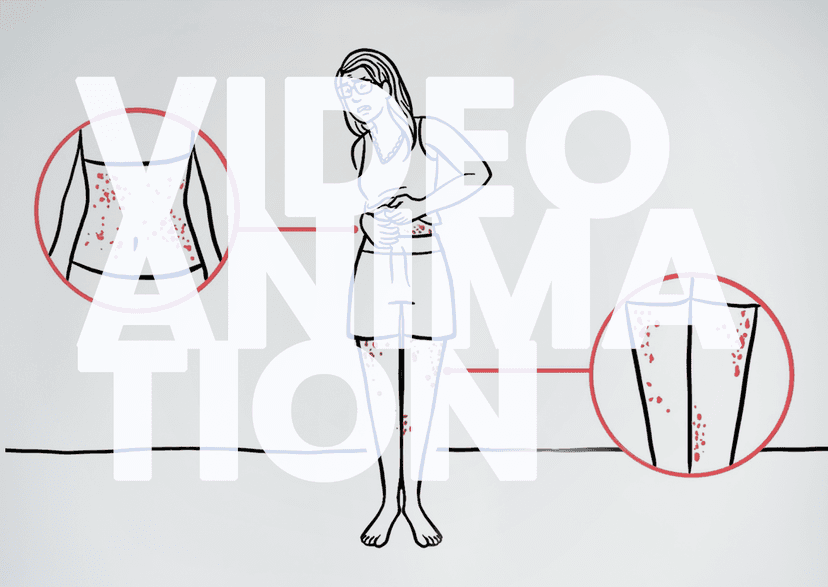
The Burden of Chronic Spontaneous Urticaria: One Patient’s Journey to Diagnosis
Learn about the clinical presentation of CSU and the burden many CSU patients face by following one patient’s journey from symptom presentation to CSU diagnosis in this 5-minute video.
Chronic Spontaneous Urticaria Learning Hub
Welcome to the CSU learning hub focused on key scientific education on chronic spontaneous urticaria, featuring ADVENT resources.

Decoding the Clinical Puzzle: Navigating Diagnostic Complexity Across Inflammatory Skin Diseases
Dr Sarina Elmariah highlights the clinical challenges in diagnosing inflammatory skin diseases, using prurigo nodularis as a case study. Drs Culton, Eichenfield, and Hawkes then join in to discuss additional challenges and complexities when diagnosing other skin diseases.
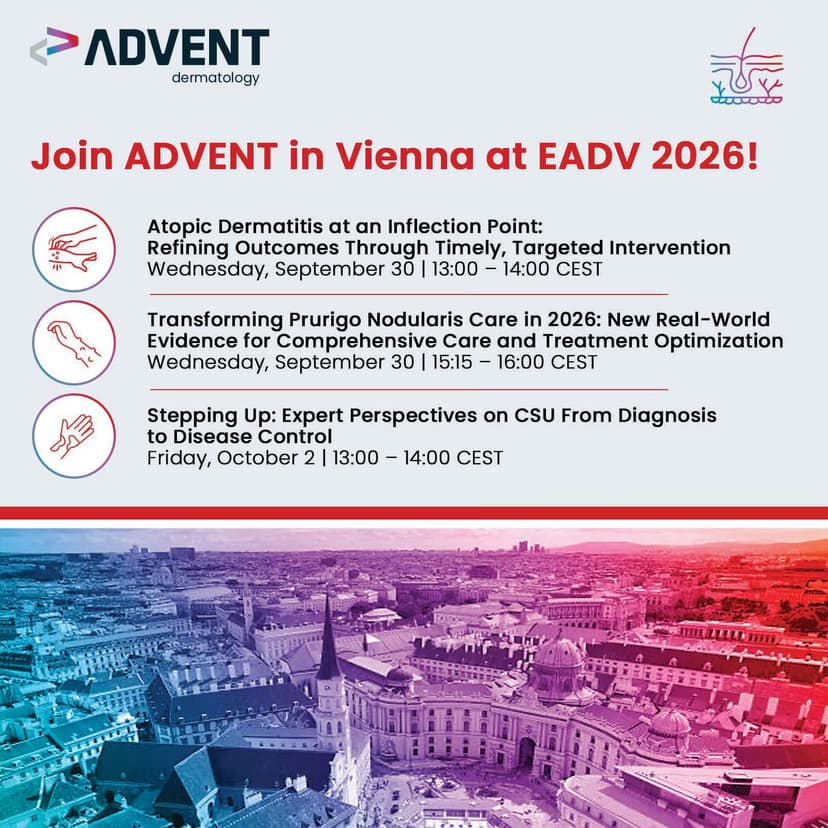
ADVENT at EADV 2026
Please join the ADVENT program at EADV 2026 for educational sessions on AD, PN, and CSU!

The Type 2 Interface: Unifying AD, CSU, and PN Pathophysiology and Dispelling Common Misconceptions
This symposium highlights the central role of type 2 inflammation in atopic dermatitis, prurigo nodularis, and chronic spontaneous urticaria and dismantles prevalent scientific misconceptions about these inflammatory skin conditions with lively discussion from Drs Jason Hawkes, Lakshi Aldredge and Diego Dasilva.
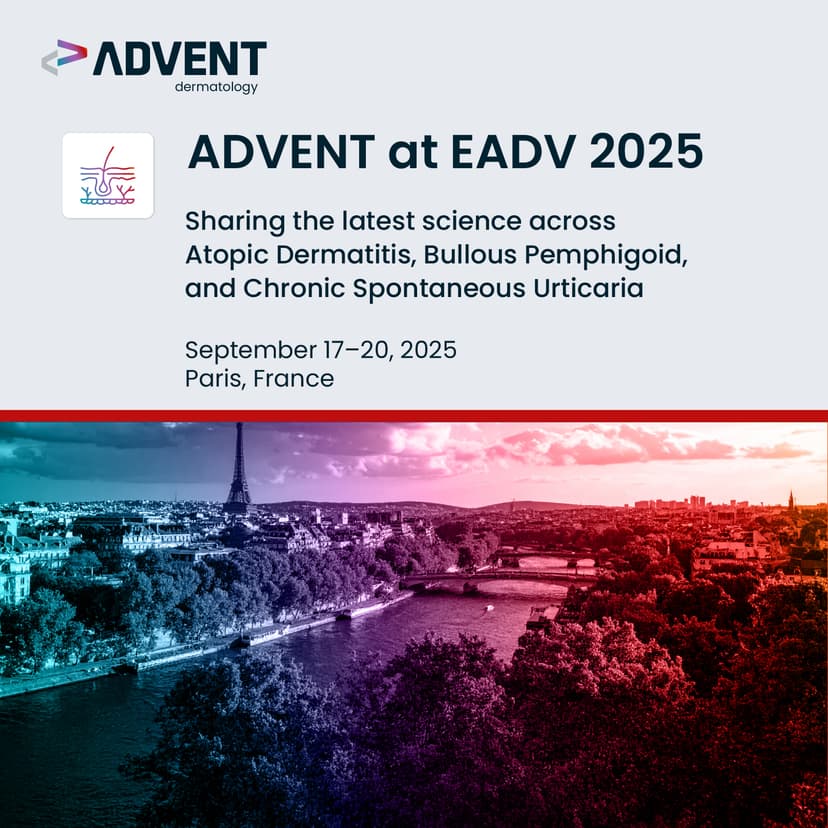
Broadening the Lens: Clinical and Immunological Insights That Inform CSU Management
Experience this engaging presentation by Professors Martin Metz, Elena Netchiporouk, and Jason Hawkes to explore emerging therapies for chronic spontaneous urticaria.
CSU is Unpredictable in its Course and Duration
Dr. Hawkes highlights how Chronic Urticaria is a mast cell centric disease with moderate levels of spontaneous remission in patients.

The Role of IL-4 and IL-13 in CSU
The pathophysiology of chronic spontaneous urticaria (CSU) is complex and involves mast cell degranulation and elements of type 2 inflammation. Learn more about the role of mast cells, basophils, and type 2 inflammatory cells and cytokines involved in the pathophysiology of CSU.

What Went Wrong? How Dysregulated Type 2 Immunity Contributes to AD, PN, CSU, and BP
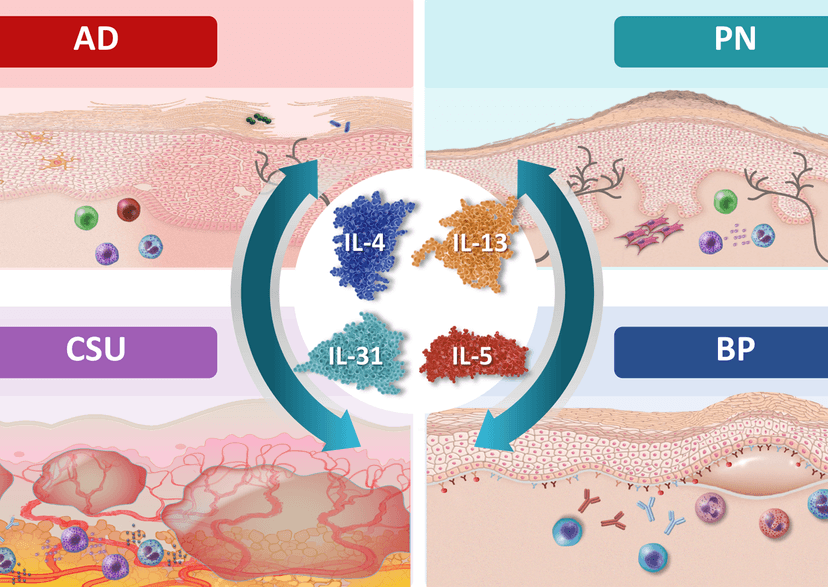
The March 2025 ADVENT symposium in Orlando, Florida brought together 4 dermatology experts to explore the evolving science of type 2 inflammation. Type 2 inflammation plays a central role in the pathophysiology of multiple dermatological diseases, driving chronic immune dysregulation that affects patients with atopic dermatitis (AD) prurigo nodularis (PN), chronic spontaneous urticaria (CSU) and bullous pemphigoid (BP). Understanding the mechanisms behind type 2 inflammation is key to advancing care and improving patient quality of life.
ADVENT On Air | Best Practice for CSU - Perspectives from Allergy and Dermatology
Join allergist Dr. Nicole Chase and dermatologist Dr. Jason Hawkes as they dispel common myths in the management of chronic spontaneous urticaria (CSU). They offer practical, empathetic strategies to move beyond unnecessary diagnostics and delays, focusing instead on urgent treatment escalation and effective management to reduce the profound burden of uncontrolled CSU on patients.
ADVENT Dermatology Symposium in Denver, CO, USA
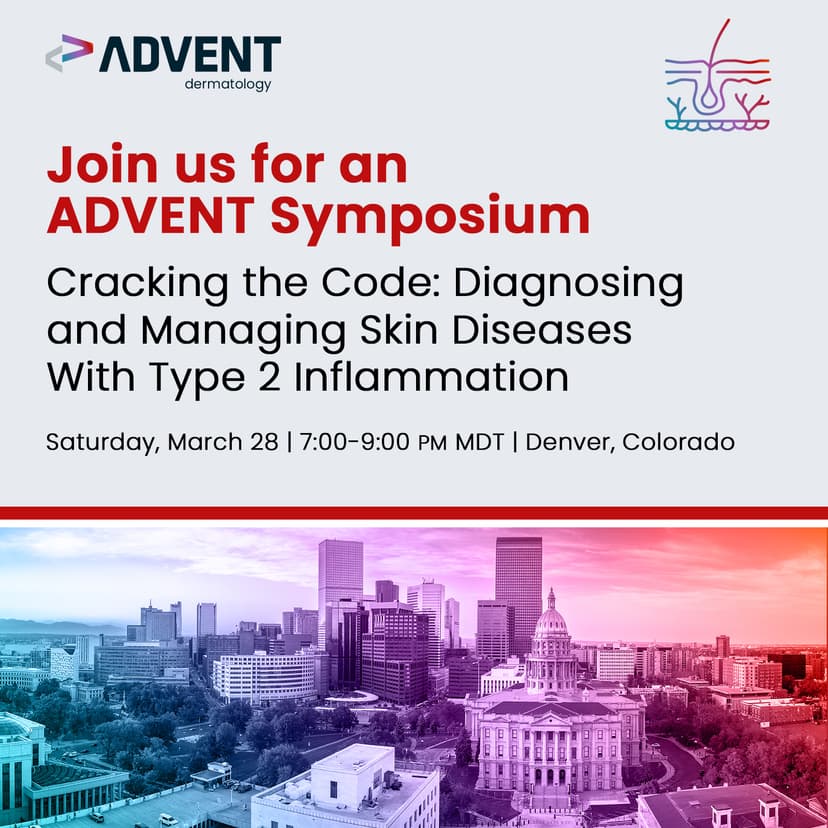
This 2-hour educational program delves into the pivotal role of type 2 inflammation in diverse skin conditions, including atopic dermatitis, prurigo nodularis, bullous pemphigoid, and chronic spontaneous urticaria. It will highlight both shared and distinct disease mechanisms and patient burdens, providing crucial insights for optimizing clinical management strategies. Experts will guide the audience through diverse patient cases to illuminate diagnostic nuances and the pathophysiology of each condition. These cases will also highlight the importance of shared decision-making and the broadening of treatment goals beyond symptom control. Dynamic panel discussion and active audience participation will be facilitated through real-time polling and curated Q&A sessions.
What Went Wrong? How Dysregulated Type 2 Immunity Contributes to AD, PN, CSU, and BP
This is the full presentation of the March 2025 ADVENT cross-dermatology symposium, hosted in Orlando, Florida, presenting the latest information around type 2 inflammation and its association with atopic dermatitis (AD), prurigo nodularis (PN), chronic spontaneous urticaria (CSU) and bullous pemphigoid (BP).
