94 search results for: Atopic Dermatitis
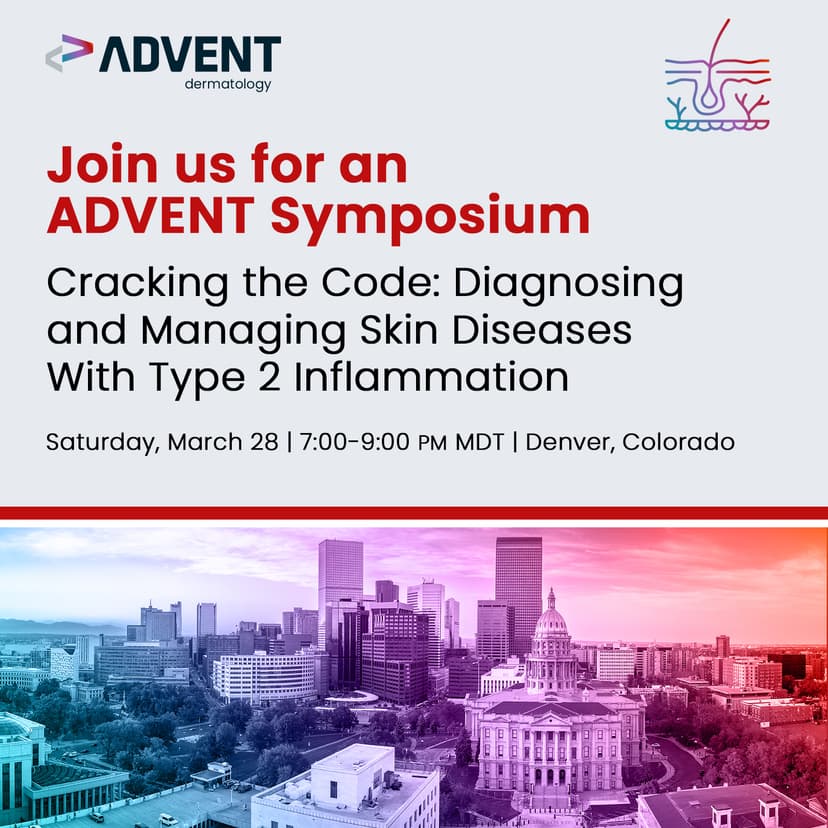
Cracking the Code: Diagnosing and Managing Skin Diseases With Type 2 Inflammation
This 2-hour educational program delves into the pivotal role of type 2 inflammation in diverse skin conditions, including atopic dermatitis, prurigo nodularis, bullous pemphigoid, and chronic spontaneous urticaria. It will highlight both shared and distinct disease mechanisms and patient burdens, providing crucial insights for optimizing clinical management strategies. Experts will guide the audience through diverse patient cases to illuminate diagnostic nuances and the pathophysiology of each condition. These cases will also highlight the importance of shared decision-making and the broadening of treatment goals beyond symptom control. Dynamic panel discussion and active audience participation will be facilitated through real-time polling and curated Q&A sessions.

ADVENT On Air | Exploring The Urgency to Treat in Atopic Dermatitis
Professor Lisa Beck explores the chronic and persistent burden of atopic dermatitis (AD) as well as the concept of early intervention in patients with AD.

Cracking the Code: Diagnosing and Managing Skin Diseases With Type 2 Inflammation
This symposium delves into the pivotal role of type 2 inflammation in diverse skin conditions, including atopic dermatitis, prurigo nodularis, chronic spontaneous urticaria, and bullous pemphigoid. It highlights both shared and distinct disease mechanisms and patient burdens, providing crucial insights for optimizing clinical management strategies through a series of engaging panel discussions with Drs Eichenfield, Elmariah, Culton, and Hawkes.

Atopic Dermatitis and the Growing Evidence for Its Association with Various Non-Atopic Systemic Diseases
In this soundbite video from the April 2025 ADVENT Forum in Lisbon, Portugal, Prof. Amy Paller reviews emerging evidence linking atopic dermatitis not only to atopic comorbidities but to a range of non-atopic systemic diseases, including mental health disorders, neurodevelopmental conditions and impaired bone health.
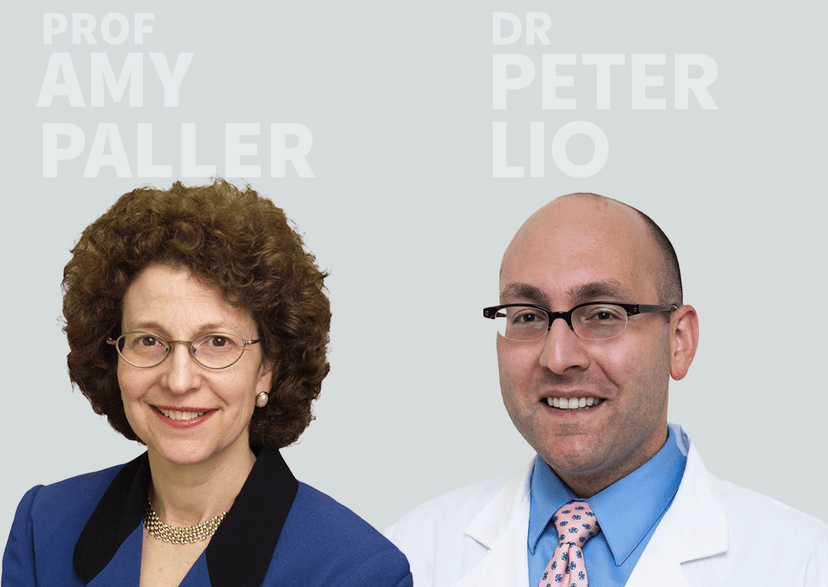
Shifting Gears: Can Disease Course Be Changed in Patients With Pediatric Atopic dermatitis?
In this video from the 2024 Society for Pediatric Dermatology Symposium held in Toronto, Canada, Dr. Amy Paller, MD and Dr. Peter Lio, MD discusses the role of atopic dermatitis as a risk factor for developing food allergies. Moreover, explores the potential opportunities for early intervention to alter disease trajectories and the possibilities for disease modification in atopic dermatitis.

Atopic Dermatitis and the Risk of Developing Other Atopic Diseases
In this soundbite video from the April 2025 ADVENT Forum in Lisbon, Portugal, Dr Amy Paller discusses the significant risk of developing other atopic diseases among infants with early-onset atopic dermatitis.
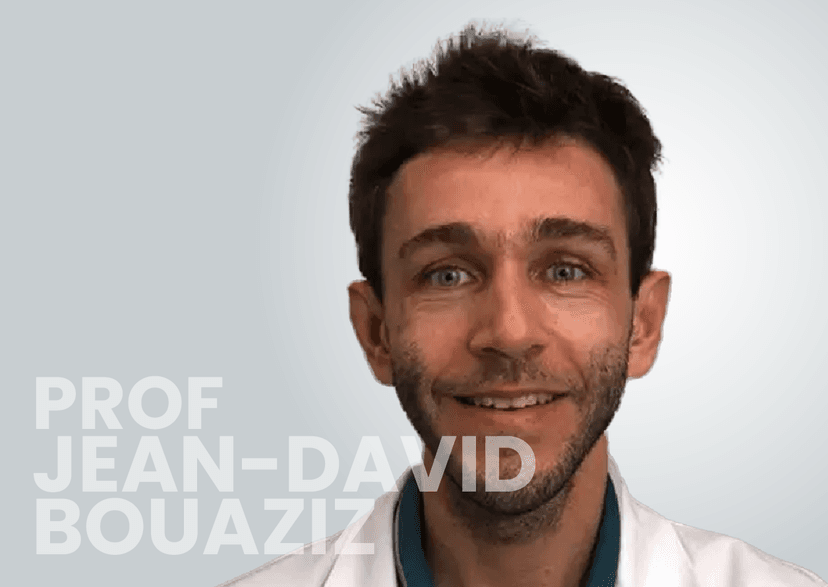
Cumulative Impact of Uncontrolled Atopic Dermatitis: Skin Inflammation as the Tip of the Iceberg
Prof Jean-David Bouaziz describes the multifaceted burden of atopic dermatitis, beyond what can be seen on the skin, at EADV 2025.
The Burden of a Lifetime: Can Disease Modification Rewrite the Narrative of Atopic Dermatitis?
Join Professors Jean-David Bouaziz, Amy Paller, and Alan Irvine for a dynamic presentation on the multifaceted burden of atopic dermatitis, the evolving concept of disease modification, and how targeted systemic therapies may help improve long-term patient outcomes.

What Drives Chronic Itch and the Itch-Scratch Cycle in Atopic Dermatitis?
Watch this short video to learn how type 2 inflammation, skin barrier dysfunction, and neurosensitization contribute to chronic itch and the itch-scratch cycle in atopic dermatitis

Potential for Disease Modification in Atopic Dermatitis
In this video from the 2024 Society for Pediatric Dermatology Symposium held in Toronto, Canada, Dr. Amy Paller, MD explores the possibilities for disease modification in atopic dermatitis.

Atopic Dermatitis: Pathomechanisms: Clarifying Perspectives and Misconceptions
Join Lisa Swanson, MD, and Gina Mangin, MPAS, PA-C, for an in-depth discussion on the immunopathogenesis of atopic dermatitis (AD), highlighting the central role of key type 2 inflammatory pathways in disease development and progression. This program explores how these pathways contribute to clinical manifestations across the AD spectrum and addresses common perceptions and misconceptions surrounding AD pathomechanisms, offering clarifying insights to support informed clinical decision-making.
How Biologic Therapy May Lead to Disease Modification in Infants and Children with Atopic Dermatitis
The underlying pathophysiology of atopic dermatitis (AD) is driven by dysregulation of type 2 immunity that contributes to skin barrier dysfunction. AD typically develops very early in life and children with AD often develop other atopic conditions such as food allergy, asthma, and allergic rhinitis in a progression called the atopic march. Early treatment may help reduce the atopic march and other comorbidities to lessen the lifetime burden created by these diseases. There may even be a window of opportunity for disease modification.
