144 search results for: patient burden

Pediatric EoE: An Interactive Learning Symposium
Join leading experts in pediatric eosinophilic esophagitis (EoE), Professors Salvatore Oliva, MD, PhD, and André Hörning, MD, as they explore the multifaceted journey of pediatric patients with EoE through a hypothetical patient case, navigating real-world challenges in managing EoE.
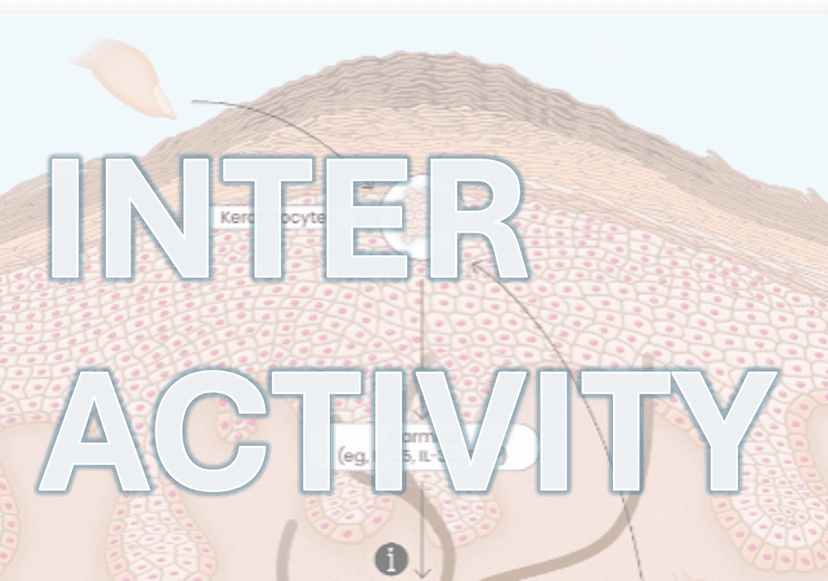
Prurigo Nodularis: Type 2 Inflammation Links Neuronal Dysfunction and Fibrosis
This infographic highlights how PN is driven by type 2 inflammation, linking immune dysregulation, fibroblast activation, and neuronal dysfunction to nodule formation. It also shows how cytokine-mediated changes in neuronal architecture increase excitability and chronic itch, where resulting lesions and scarring significantly impact patients’ psychological well-being.

What Went Wrong? How Dysregulated Type 2 Immunity Contributes to AD, PN, CSU, and BP
The March 2025 ADVENT symposium in Orlando, Florida brought together 4 dermatology experts to explore the evolving science of type 2 inflammation. Type 2 inflammation plays a central role in the pathophysiology of multiple dermatological diseases, driving chronic immune dysregulation that affects patients with atopic dermatitis (AD) prurigo nodularis (PN), chronic spontaneous urticaria (CSU) and bullous pemphigoid (BP). Understanding the mechanisms behind type 2 inflammation is key to advancing care and improving patient quality of life.

Beyond Age: Unraveling the Mortality Risk in Bullous Pemphigoid
Dr. Donna Culton discusses the elevated mortality risk in patients with bullous pemphigoid at EADV 2025

Master Clinician Video | A Closer Look: EoE Histologic Features Under the Microscope (Chapter 3)
This chapter highlights other histologic features beyond eosinophil count that may be present in patients with EoE.

Adaptive Behaviors in EoE Infographic
Learn how to recognize adaptive eating behaviors in patients with EoE and why it is important for assessment and management.
ERS 2024 | Unraveling the Role of Type 2 Inflammation in COPD
Professor Mona Bafadhel presents a comprehensive overview of type 2 inflammation in COPD, exploring its underlying mechanisms, clinical manifestations, and implications for patient outcomes.

Master Clinician Video | The Moment of Impact: EoE in the Emergency Department (Chapter 1)
This chapter highlights how a food bolus impaction may be the initial manifestation of a patient with EoE masked by adaptive eating behavior.
Importance of Early Diagnosis in Bullous Pemphigoid
Join Dr. Werth as she outlines how early diagnosis and treatment are critical to minimize risk and improve long term outcomes in patients with BP.

Unmet Needs for Bullous Pemphigoid (BP): Limitations of Diagnosis and Conventional Therapies
In this ADVENT symposium at the 2024 EADV meeting, Dr. Donna Culton focuses on the challenges of diagnosis and the unmet needs for patients with BP.

Eosinophils: A Biomarker in COPD
Learn how to identify chronic obstructive pulmonary disease (COPD) patients with type 2 inflammation using blood eosinophil (EOS) levels, understand the associated risks, and recognize factors that may influence EOS counts.
Heterogeneous Clinical Presentations and Diagnostic Challenges With Bullous Pemphigoid (BP)
Join Dr. Teri Greiling as she discusses the heterogeneous clinical presentations seen in bullous pemphigoid (BP). She also shares diagnostic challenges, including the unclear epidemiology and the extensive differential diagnoses faced by patients with BP.
