40 search results for: IL-4

The Role of IL-4 and IL-13 in the Pathophysiology of CSU
Dr. Jason Hawkes details the role of IL-4 and IL-13 in the pathophysiology of CSU at EADV 2025
Beyond Itch: The Multifaceted Role of IL-4/IL-13 in the Pathogenesis of PN
Professor Sarina Elmariah describes how IL-4 and IL-13, key drivers of type 2 inflammation, uniquely contribute to manifestations of prurigo nodularis beyond itch.

Exploring IL-31–mediated immune modulation and the role of IL-4 signaling in AD-related conjunctivitis
Join Dr. Lisa Swanson and Gina Mangin discussing myths and perceptions on understanding IL-31's role in modulating immune responses and exploring a possible link between IL-4 inhibition and conjunctivitis in AD.
Understanding the Contribution of IL-4 in the Development of Fibrosis in Prurigo Nodularis
Professor Sarina Elmariah highlights the multifaceted role of IL-4 and IL-13 in driving dermal fibrosis in prurigo nodularis, which leads to persistent scarring and dyspigmentation that significantly contribute to patients' embarrassment, anxiety, depression, and self-esteem.

Evaluating the cytokine hierarchy in AD and the contributions of IL-4, IL-13, and IL-31 to itch
Join Lisa Swanson, MD, and Gina Mangin, MPAS, PA-C as they discuss the evaluation of the cytokine hierarchy in AD and the contributions of IL-4, IL-13, and IL-31 to itch.

IL-4 Contributes to Systemic Type 2 Inflammation in AD
In this highlight video from the ADVENT AD symposium held at EADV’s 2024 Annual Meeting in Amsterdam, Dr. Stephan Weidinger discusses how IL-4 contributes to systemic type 2 inflammation in AD via several mechanisms, including T cell differentiation, B cell activation and IgE generation, and T regulatory cell inhibition.

Differential Roles of IL-4 and IL-13 in AD Pathogenesis and B Cell Activation
This video features Dr. Lisa Swanson and Gina Mangin on the differential roles of IL-4 and IL-13 in atopic dermatitis pathogenesis and B-Cell activation at the Riptide conference on December 5, 2025.
IL-4 Is the Primary Cytokine That Drives Th2 Cell Polarization and Amplifies Type 2 Inflammation
In this soundbite video from the April 2025 ADVENT Forum in Lisbon, Portugal, Prof Oscar Palomares describes how IL-4 is the key cytokine involved in the initiation and perpetuation of Th2 cell responses and type 2 inflammation.
Itch in Chronic Inflammatory Skin Diseases: Histaminergic and Nonhistaminergic Mechanisms and Role of IL-4 as a Central Orchestrator in Promoting Neuronal Sensitization
In this soundbite video from the April 2025 ADVENT Forum in Lisbon, Portugal, Dr. Brian Kim explores the histaminergic and nonhistaminergic mechanisms of itch, highlighting how type 2 cytokines like IL-4 serve as central orchestrators of neuronal sensitization and immune–nervous system cross-talk.

Type 2 Inflammation: Links With Severe Uncontrolled CRSwNP
In this video soundbite from the ERS-ISIAN 2025 symposium, Dr. Vibeke Backer discusses how Type 2 inflammation drives severe, uncontrolled CRSwNP. It covers key immune cells and biomarkers (e.g., IL-4, IL-5, IL-13, TSLP), global prevalence differences, and the importance of symptom tracking and targeted therapies.

The Role of IL-4 and IL-13 in CSU
The pathophysiology of chronic spontaneous urticaria (CSU) is complex and involves mast cell degranulation and elements of type 2 inflammation. Learn more about the role of mast cells, basophils, and type 2 inflammatory cells and cytokines involved in the pathophysiology of CSU.
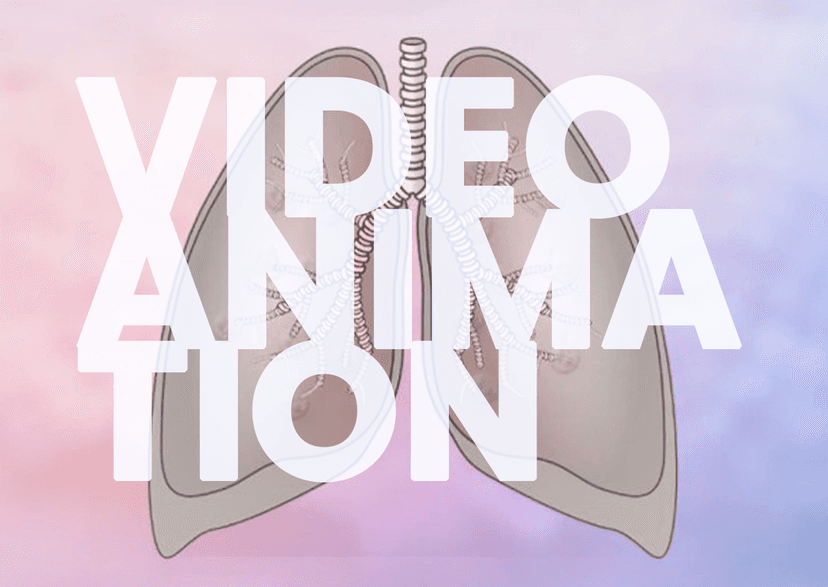
Pathways Driving Chronic Airway Remodeling in Asthma
See how type 2 inflammation underlies remodeling processes in asthma.
