111 search results for: patient burden
The Potential Sequelae of Missed Opportunities: How Systemic Type 2 Inflammation Can Shape a Patient's Life
Dr. Nicole Chase describes a potential hypothesis for the link between the shift to an industrialized society and the rise in type 2 inflammatory diseases, highlighting the loss of immunomodulatory mechanisms driven by helminthic infections. She explains how unopposed immune responses to common environmental allergens may cause chronic type 2 inflammation, manifesting throughout the body.
Translating the Science of CSU: From Pathogenesis to Patient Outcomes
Watch as Drs. Michihiro Hide, Marta Ferrrer, and Ana M. Giménez-Arnau discuss chronic spontaneous urticaria (CSU) and highlight the unmet needs, importance of disease control, and emerging therapies.
Managing Type 2 Inflammatory Diseases: Multidisciplinary Frame of Mind
Drs. Bob Geng and Lawrence Eichenfield highlight a multidisciplinary team approach to patient-centered care in diseases with type 2 inflammation

The Need for Maintenance Therapy in EoE
Hear Dr. Evan Dellon outline the benefits of maintenance therapy in EoE and the importance of an individualized treatment approach for each patient.

Importance of Assessing Multiple Disease Domains in EoE
Prof. Arjan Bredenoord and Dr. Evan Dellon emphasize the need to assess multiple disease domains to get the complete picture of patients’ EoE.

Dynamic Eosinophils: Decoding Variability in COPD
Explore how blood eosinophil counts can fluctuate over time in patients with COPD and how repeat measurements may help reveal patterns of underlying type 2 inflammation.

ESPGHAN 2025 Pediatric EoE: Early Identification & Type 2 Comorbidity
Dr Tzivinikos discusses the importance of early identification and management of pediatric EoE to improve long-term outcomes
Importance of Monitoring and Maintenance in EoE
Learn about patient concerns in EoE and the benefits of adequate monitoring and effective maintenance therapy on disease control and QoL
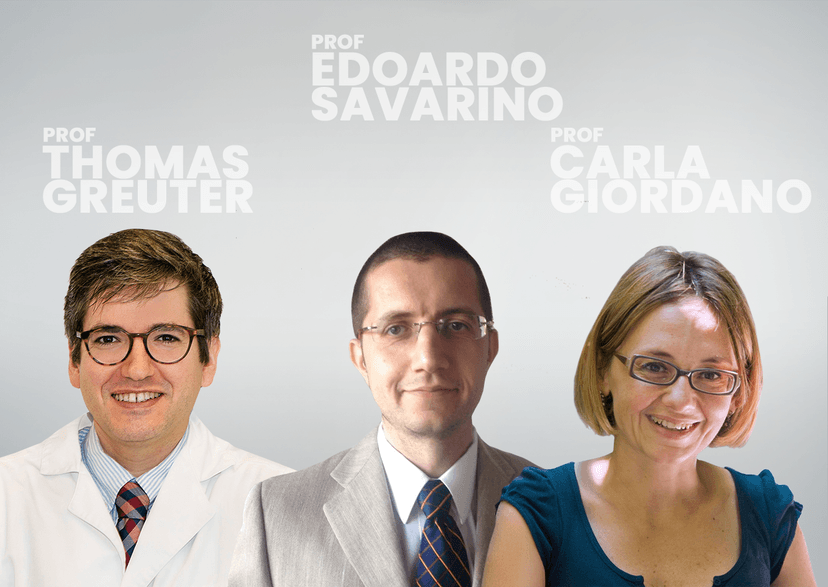
UEG 2025 | Bridging the Gap in EoE: Strategies for Seamless Transition of Care
Profs. Greuter, Savarino, and Giordano discuss multidimensional EoE assessment, tailoring long-term care to patient needs, and recent clinical data.
ADVENT On Air | Be on the Lookout for EoE: The Importance of Early Diagnosis
Join Dr. Aceves and Ms. Ugras as they share their insights on how to identify potential patients with EoE and the importance of early diagnosis.

Master Clinician Video | Advanced Clinical Practice in EoE (Full)
Learn how a food bolus impaction event can help identify a patient with EoE and the importance of multiple disease domains in assessing EoE.
