40 search results for: itch
Inside the Hive: Type 2 Inflammatory Pathways in Chronic Spontaneous Urticaria
Join Dr. Jason Hawkes in discussing the burden of CSU and how type 2 inflammation contributes to the development of chronic wheals (hives) and angioedema
Neuroimmune Dysfunction Is Critical in the Pathophysiology of Prurigo Nodularis
Dr. Sarina Elmariah explains the importance of neuroimmune crosstalk in the development of prurigo nodularis.
The Ripple Effect: Uncovering the Hidden Burden and Comorbidities of Prurigo Nodularis
Dr. Sarina Elmariah explores the complex systemic burden of PN, from diverse clinical presentations and delayed diagnosis to the profound impact of itch, sleep disruption, comorbidities, and reduced quality of life.
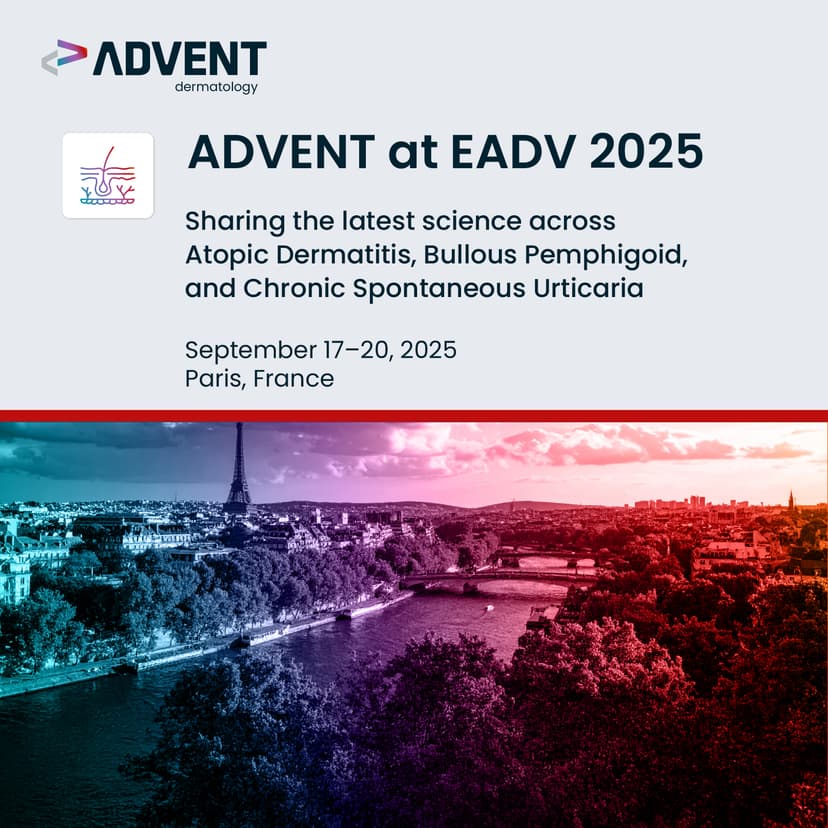
ADVENT at EADV 2025
Join leading dermatologists for educational symposia on atopic dermatitis, bullous pemphigoid, and chronic spontaneous urticaria at the EADV congress in Paris, France.

Stepping Up: Expert Perspectives on CSU From Diagnosis to Disease Control
Join Drs. Martin Metz, Moshe Ben-Shoshan, and Michelle Tarbox as they share expert insights on the burden of pediatric CSU, as well as key considerations for disease diagnosis and treatment escalation in pediatric and adult patients.
Prurigo Nodularis: Type 2 Inflammation Links Neuronal Dysfunction and Fibrosis
This infographic highlights how PN is driven by type 2 inflammation, linking immune dysregulation, fibroblast activation, and neuronal dysfunction to nodule formation. It also shows how cytokine-mediated changes in neuronal architecture increase excitability and chronic itch, where resulting lesions and scarring significantly impact patients’ psychological well-being.
Stepping Up: Expert Perspectives on CSU From Diagnosis to Disease Control
Drs Martin Metz, Moshe Ben-Shoshan, and Michelle Tarbox shared expert perspectives on chronic spontaneous urticaria (CSU) during an engaging ADVENT symposium at EADV 2026 in Vienna, Austria. The symposium explored key considerations across the CSU patient journey, from diagnosis to disease control. Key topics included the multifaceted burden of CSU on patients, caregivers, and families, practical approaches to diagnosis and assessment of disease control, and considerations for treatment escalation and advanced therapy selection in adult and pediatric patients with CSU.

The Role of IL-4 and IL-13 in CSU Pathogenesis
Dive into the complex pathophysiology of chronic spontaneous urticaria (CSU), where mast cell degranulation drives the hallmark signs and symptoms. This interactive infographic elucidates how key type 2 cytokines, specifically IL-4 and IL-13, contribute to mast cell activation, immune cell trafficking into the skin, and neuronal sensitization in CSU, which ultimately leads to the release of mediators like histamine that cause wheals, angioedema, and itch.

AANP 2025 | Atopic Diseases & a Case-Based Panel of Nurse Practitioners
Experts from different specialties use a case-based discussion to understand type 2 inflammatory diseases from a nurse practitioner perspective.
The Patient Burden of Chronic Pruritus of Unknown Origin (CPUO)
An infographic describing the etiology, epidemiology, challenges in diagnosis and patient burden of CPUO.

Sarina Elmariah, MD, PhD, MPH
Associate Professor and Dermatology Director at the UCSF Centre for Itch and Neurosensory Disorders at the University of California in San Francisco, California, US
