48 search results for: patient burden

The Need for Maintenance Therapy in EoE
Hear Dr. Evan Dellon outline the benefits of maintenance therapy in EoE and the importance of an individualized treatment approach for each patient.

ERS 2024 | Fireside Chat: What Is the Potential for Disease Modification in the Era of Biologics?
Professors Celeste Porsbjerg and Klaus Rabe and Dr Mario Castro discuss disease modification in severe asthma, including what disease modification is, how it can be identified, and how the advent of biologics may bring about disease modification.

What Went Wrong? How Dysregulated Type 2 Immunity Contributes to AD, PN, CSU, and BP
The March 2025 ADVENT symposium in Orlando, Florida brought together 4 dermatology experts to explore the evolving science of type 2 inflammation. Type 2 inflammation plays a central role in the pathophysiology of multiple dermatological diseases, driving chronic immune dysregulation that affects patients with atopic dermatitis (AD) prurigo nodularis (PN), chronic spontaneous urticaria (CSU) and bullous pemphigoid (BP). Understanding the mechanisms behind type 2 inflammation is key to advancing care and improving patient quality of life.
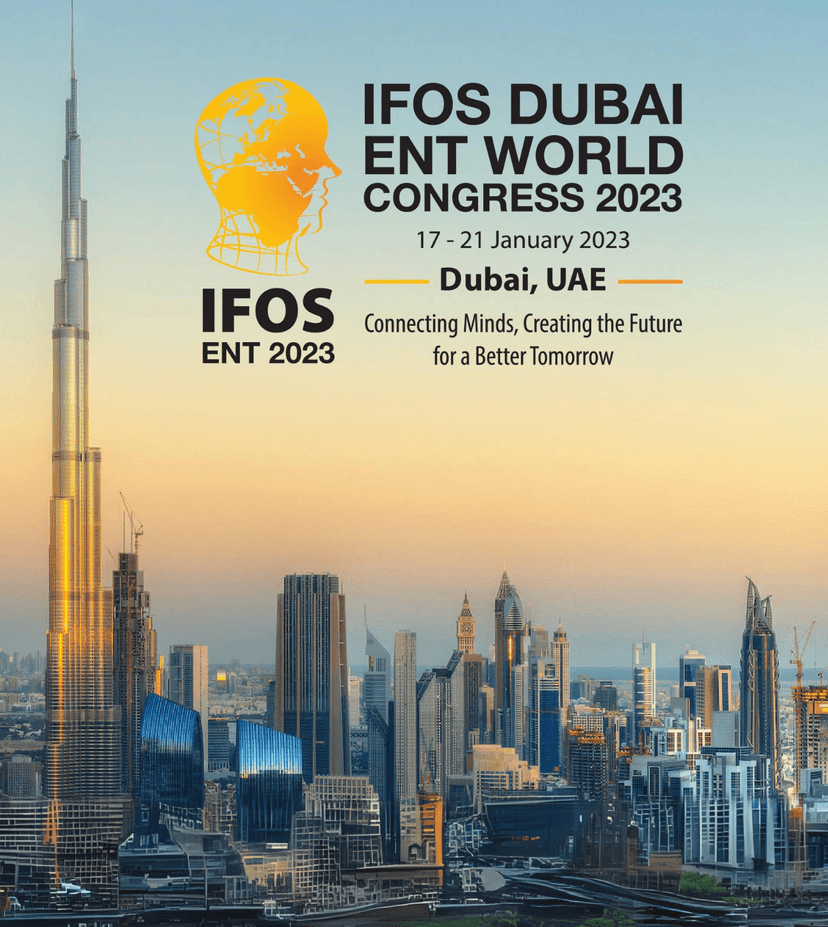
IFOS 2023 | Type 2 Inflammation and Clinically Relevant Improvements in CRSwNP
Dr. Stella Lee and Profs. Peter Hellings and Wytske Fokkens discuss type 2 inflammation, partnering with patients to improve outcomes, and real-world data on biologic effectiveness in CRSwNP.

Monitoring Lung Function Is an Important Aspect of Pediatric Asthma Management
Navigate through this interactive infographic to learn more about why lung function is important to monitor in pediatric patients with asthma and the noninvasive procedures that are available for implementation in clinical practice.

ADVENT On Air | Breath, Blood, and Beyond: The Prognostic Power of Biomarkers in Asthma Across Ages
Join pediatric respirologist Dr. Sharon Dell and adult respirologist Dr. Simon Couillard as they discuss the prognostic and diagnostic power of asthma biomarkers and their impact on optimizing patient management across all ages.
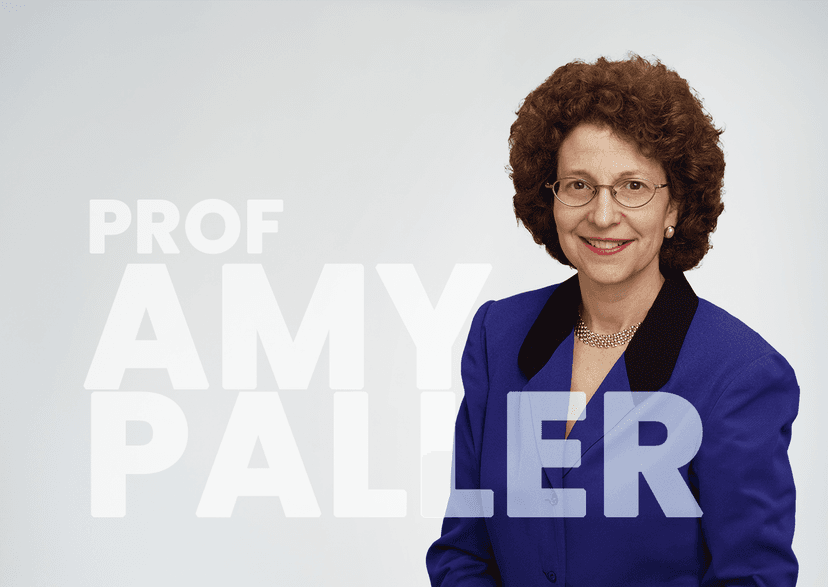
Hindered Growth in Children Aged <12 Years with Moderate-to-Severe AD and Potential Improvement with Dupilumab Treatment
In this soundbite video from the April 2025 ADVENT Forum in Lisbon, Portugal, Dr Amy Paller discusses how moderate-to-severe AD may hinder growth in pediatric patients and highlights data showing treatment with dupilumab may increase vertical growth in children of lower stature.

ADVENT Forum 2025 On Demand page
Watch on-demand expert soundbites recorded at the April 2025 ADVENT Forum in Lisbon, Portugal, featuring dermatology and immunology perspectives on mechanisms and clinical practice. Topics range from disease mechanism to patient care and quality of life, spanning atopic dermatitis (AD), prurigo nodularis (PN), chronic spontaneous urticaria (CSU) and bullous pemphigoid (BP).

Prevalence of Food Allergy and Other Atopic Comorbidities in Children With AD
In this highlight video from the October 2024 ADVENT symposium at EAPS in Vienna, Austria, Dr Mark Boguniewicz discusses the prevalence of food sensitization and food allergy in pediatric patients with AD, clarifying the difference between the two. Dr Boguniewicz also discusses the prevalence of other atopic comorbidities in children with AD

Importance of Assessing Key Disease Domains in EoE Infographic
Learn about the importance of assessing key disease domains in EoE by focusing on symptoms, QoL, endoscopy, and histology.

Gap in Care Leads to Progression of Fibrosis in EoE
Dr. Evan Dellon discusses the clinical implications of gaps in medical care on the risk of fibrotic progression in EoE.

UEGW 2024 | Something to Chew On: Exploring Biologics in EoE Management
Prof. Salvatore Oliva and Dr. Milli Gupta discuss the importance of long-term care, multidimensional assessment, and the latest data for biologics.
