68 search results for: pediatric

On the Surface: Restoring the Skin Barrier in Patients With AD
In this video from the April 2025 WCPD symposium, Dr Amy Paller discusses the pathophysiology of skin barrier dysfunction in AD and how regulating IL-4 and IL-13 signaling may lead to restoration of the skin barrier. Dr Paller goes on to explore how reducing certain biomarkers, such as CCL17 (TARC), may reduce inflammation that contributes to AD severity in pediatric patients.
Elaine Siegfried, MD
Professor of Pediatrics and Dermatology in the Department of Pediatrics, Division of Dermatology at Saint Louis University School of Medicine, US

Moshe Ben-Shoshan, MD, MSc
Associate Professor, Department of Pediatrics, McGill University | Montréal, Quebec, Canada
Mercedes Gonzalez, FAAD, MD
Pediatric Dermatologist, DERM360 | Medical Director, Pediatric Skin Research | Miami, Florida, USA

Antonella Muraro, MD, PhD
Consultant Pediatric Allergist at the Department of Pediatrics of the University of Padova, Italy

Thomas Casale, MD
Professor of Medicine and Pediatrics; Chief of Clinical and Translational Research, University of South Florida, Tampa, United States
Danielle Marcoux, MD
Professor at the University of Montreal and Sainte-Justine University Medical Centre at the Department of Pediatrics, Dermatology Division, Quebec, Canada

Leonard Bacharier, MD
Janie Robinson and John Moore Lee Chair of Pediatrics and Director of Center for Pediatric Asthma Research | Vanderbilt University, Tennessee, United States

Donald Leung, MD, PhD
Chair of Pediatric Allergy-Immunology at the National Jewish Health, Professor of Pediatrics at the University of Colorado Denver School of Medicine, US
André Hӧrning, MD
Professor | Department of Pediatric Gastroenterology and Hepatology | Clinic for Pediatrics and Adolescent Medicine | University Hospital Erlangen | Friedrich-Alexander University Erlangen-Nuremberg | Erlangen, Germany

Salvatore Oliva, MD, PhD
Professor of Medicine | Associate Professor of Pediatrics in the Maternal and Child Health Department | Sapienza University of Rome; Consultant Pediatric Gastroenterologist | Umberto I University Hospital, Rome, Italy
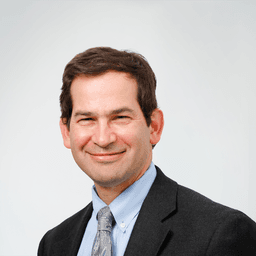
Jonathan Spergel, MD, PhD
Professor of Pediatrics | Perelman School of Medicine, University of Pennsylvania; Chief of Allergy Section and Director of the Center for Pediatric Eosinophilic Disorders | Children’s Hospital of Philadelphia, Pennsylvania, United States
