118 search results for: patient burden
ADVENT On Air | Exploring The Urgency to Treat in Atopic Dermatitis
Professor Lisa Beck explores the chronic and persistent burden of atopic dermatitis (AD) as well as the concept of early intervention in patients with AD.

Spotlight on Type 2 Inflammation in the Upper and Lower Airways
In this video soundbite from the EAACI 2025 symposium, Dr. Zuzana Diamant explains pathophysiological mechanisms underlying asthma and CRSwNP, and how type 2 inflammatory cytokines drive airway remodelling in patients with severe asthma. Additionally, patients with co-existing asthma and CRSwNP have a higher type 2 inflammatory burden than patients with asthma alone.

CLCI in Atopic Dermatitis Infographic
This infographic highlights how uncontrolled moderate‑to‑severe atopic dermatitis (AD) can lead to Cumulative Life Course Impairment (CLCI) by contributing to ongoing physical, psychological, and social burdens such as itch and sleep loss, impaired bone growth and mental health challenges. It emphasizes the importance of early and effective disease control to help reduce long‑term impact on patients.
Expert Interview with Dr Jason Hawkes
Join Dr. Hawkes as he discusses what burdens and challenges CSU patients might expect and help identify that there are immune functions responsible for their symptoms not an external cause.

Loss of Smell is a Key Symptom of CRSwNP
Learn how loss of smell in CRSwNP is a key symptom for both patients and providers.
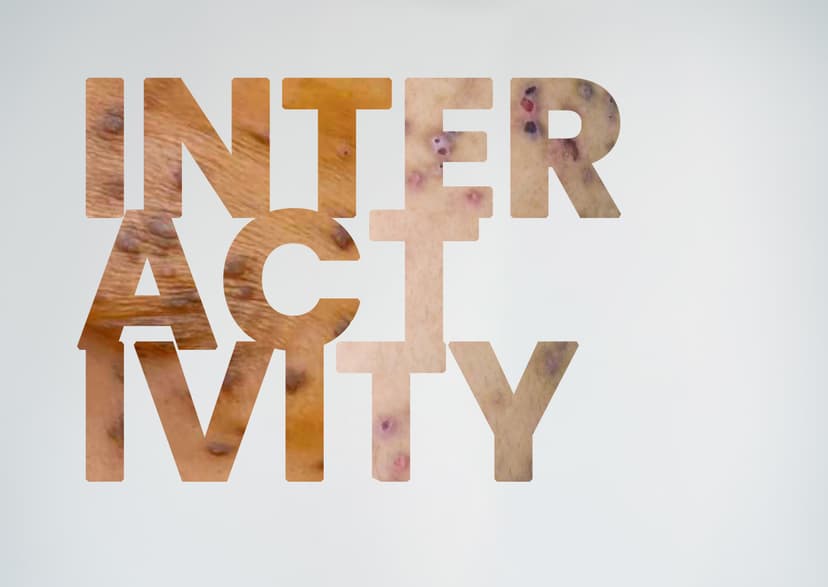
Skin Dyspigmentation In Prurigo Nodularis (PN)
This infographic illustrates the clinical manifestations, pathophysiology and impact on patients of skin dyspigmentation in Prurigo Nodularis.
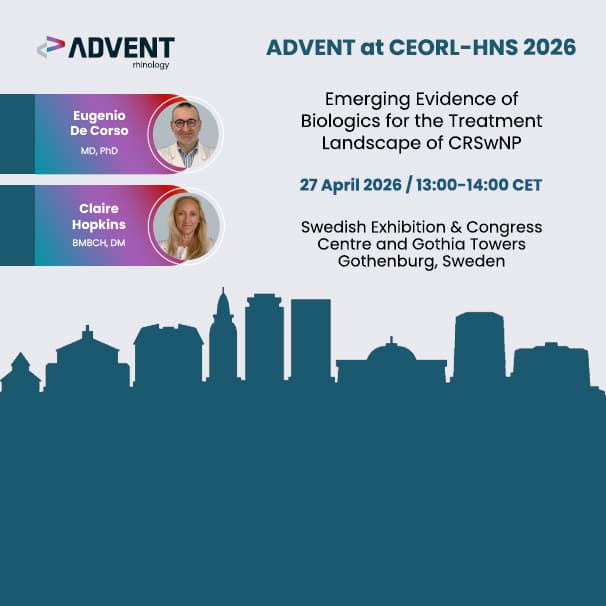
CEORL-HNS 2026 | Emerging Evidence of Biologics for the Treatment Landscape of CRSwNP
Join Sanofi and Regeneron for an educational symposium on type 2 inflammation, patient characteristics predictive of disease recurrence, and emerging real-world evidence for biologics in CRSwNP.
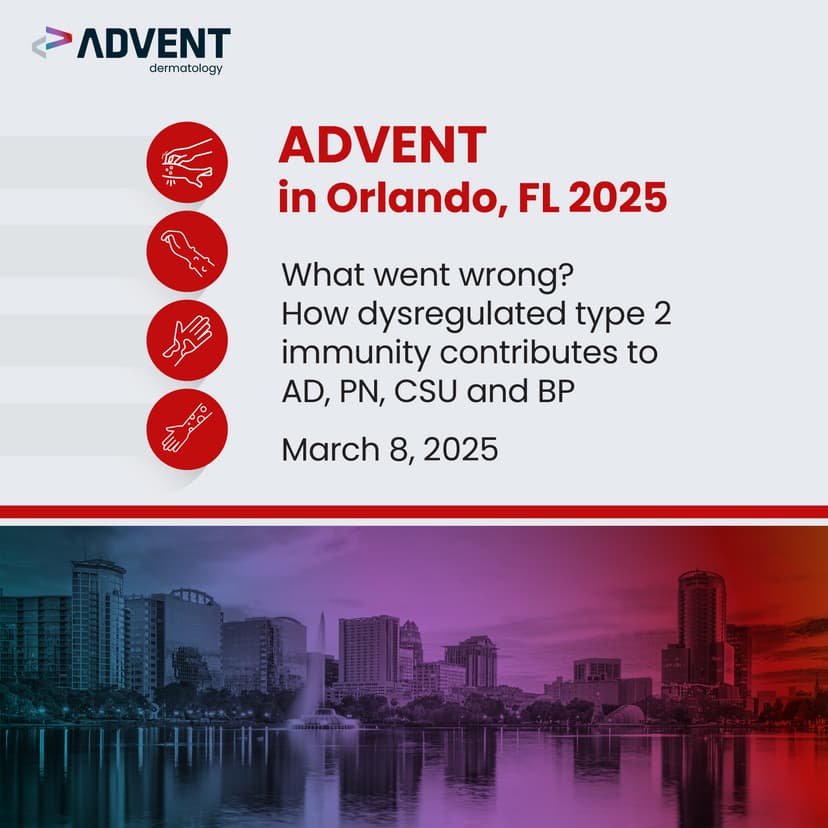
ADVENT in Orlando, 2025
Type 2 inflammation contributes to many dermatologic diseases, which may lead to potentially life-changing burdens and challenges to patients and caregivers. By uncovering the role of type 2 inflammation in the pathophysiology of AD, PN, CSU, and BP, we can move forward in our understanding of each disease. Join global experts for an educational symposium on March 8th that will uncover the role of type 2 inflammation in the pathophysiology of AD, PN, CSU, and BP and explore questions driving current research in each disease.

Interplay of Barrier Dysfunction and Type 2 Inflammation in EoE
Learn from Prof. Seema Aceves about the interconnectivity of type 2 inflammation and barrier dysfunction in mediating EoE pathophysiology.

Partnering With Patients: Scores That Matter in CRSwNP
Learn how partnering with patients and considering the clinical relevance of symptom improvements can improve patient quality of life
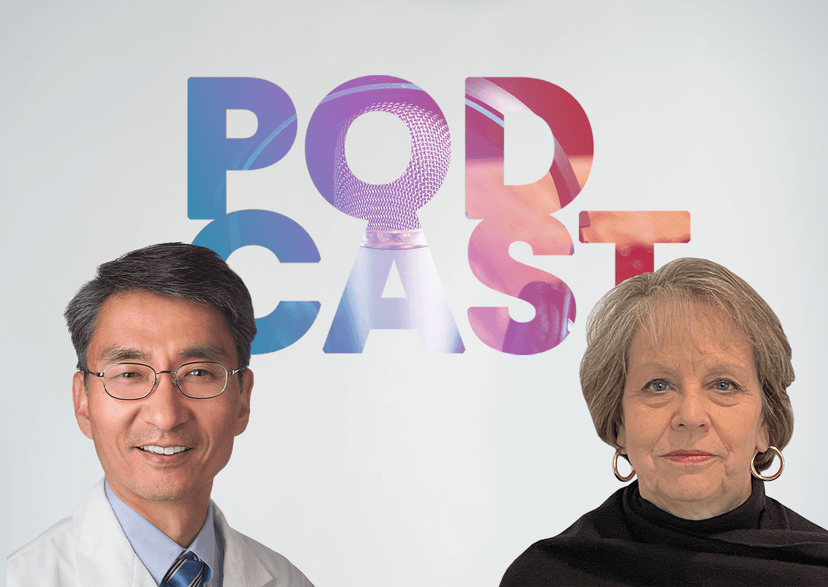
ADVENT On Air | Dysphagia in EoE: How Can You See Beyond Patients’ Adaptive Behaviors?
Learn from Dr. Hirano and Dr. Marcon as they discuss how to unmask EoE symptoms that may be hidden by patients' coping mechanisms.

Bullous Pemphigoid: Exploring New Frontiers
Highlights from the ADVENT educational symposium at EADV 2024 discussing the current understanding of the science and treatment landscape in bullous pemphigoid (BP).
