91 search results for: symposium
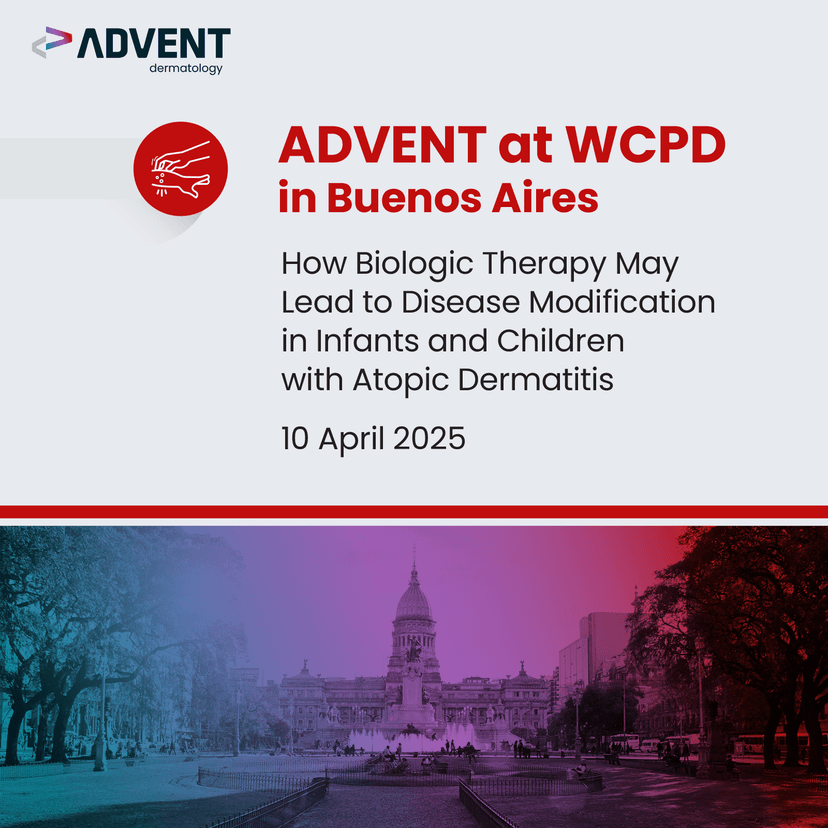
ADVENT at WCPD 2025
The ADVENT symposium at the 15th World Congress of Pediatric Dermatology (WCPD) will focus on discussions around disease modification in atopic dermatitis (AD) in three main topic areas: restoring the skin barrier, reducing non-atopic comorbidities, and stopping the atopic march in pediatric patients with AD aged 6 months to 11 years.

Prevalence of Food Allergy and Other Atopic Comorbidities in Children With AD
In this highlight video from the October 2024 ADVENT symposium at EAPS in Vienna, Austria, Dr Mark Boguniewicz discusses the prevalence of food sensitization and food allergy in pediatric patients with AD, clarifying the difference between the two. Dr Boguniewicz also discusses the prevalence of other atopic comorbidities in children with AD

Identification and Management of AD Uncontrolled With Topical Therapies in Children
In this expert interview video focusing on topics from the October 2024 ADVENT symposium at EAPS in Vienna, Austria, Dr Perla Lansang discusses how to identify pediatric patients with AD uncontrolled with topical therapies, considerations for the next step in care for these patients, and the potential benefits of early intervention with systemic treatment

ACG 2025 | Stop Spinning Your Wheels on EoE
Drs. Dellon and Dickstein host a symposium where audience members solve puzzles to uncover cutting-edge knowledge of eosinophilic esophagitis (EoE).
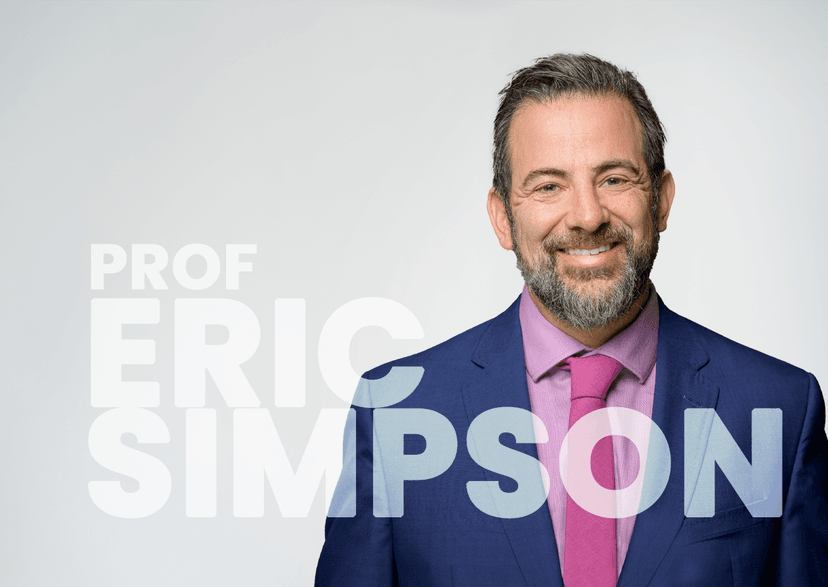
How Does Protective Type 2 Immunity Become Harmful Type 2 Inflammation?
In this video from the March 2025 ADVENT symposium in Orlando, Florida, Dr. Eric Simpson discusses how protective type 2 immunity can become dysregulated, leading to harmful type 2 inflammation. The associated inflammatory process can contribute to the pathophysiology of several dermatological diseases, including AD, PN, CSU, and BP.
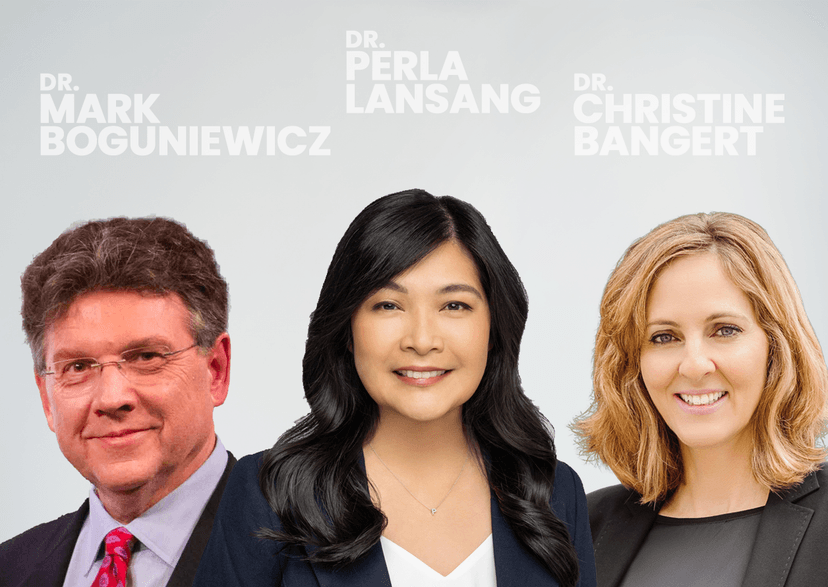
Emerging Perspectives on the Disease Burden and Management of Children With Atopic Dermatitis
This video of the October 2024 ADVENT symposium at EAPS in Vienna, Austria features Drs Christine Bangert, Mark Boguniewicz, and Perla Lansang as they discuss the inflammatory processes driven by type 2 cytokines that lead to AD and atopic comorbidities, the multidimensional and cumulative disease burden associated with AD and its comorbidities, and the current and emerging treatment options for children with AD uncontrolled with topical therapy

Emerging Perspectives on the Disease Burden and Management of Children with Atopic Dermatitis
Join Christine Bangert, Mark Boguniewicz and Perla Lansang for an educational symposium on atopic dermatitis (AD) in children, exploring the diagnosis and pathophysiology of AD in children, the life-long effects of uncontrolled disease beyond the skin, and current and emerging therapies.

ACG 2025 | Stop Spinning Your Wheels on EoE
Drs. Dellon and Dickstein host a Symposium where audience members solve puzzles to uncover cutting-edge knowledge of eosinophilic esophagitis (EoE). This event is neither sponsored by nor endorsed by ACG.
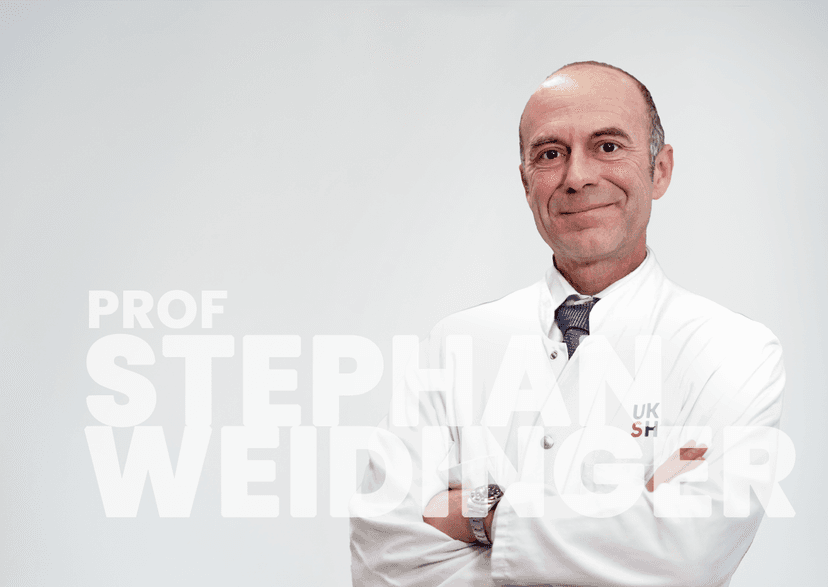
Diving Below the Surface of AD: The Role of Type 2 Inflammation
This video from the September 2024 ADVENT symposium at EADV’s Annual Meeting in Amsterdam, the Netherlands, features Dr. Stephan Weidinger discussing how local type 2 inflammation at the skin tissue level contributes to epidermal barrier dysfunction, dysbiosis, and neuroimmune dysfunction, leading to the clinical signs and symptoms of AD. Dr. Weidinger also reviews how systemic inflammation affects organ systems beyond the skin and can manifest as atopic and non-atopic comorbidities.

ADVENT at ESPGHAN 2025 | Unlocking Better Outcomes: Strategies for Early Diagnosis and Effective Management in Pediatric EoE Patients
In support of World Eosinophilic Esophagitis Day, this ADVENT symposium features pediatric gastroenterology experts Dr Carolina Gutiérrez Junquera and Dr Christos Tzivinikos where they discuss the importance of early identification and management of pediatric EoE to improve long-term outcomes. They highlight clinical data and discuss their practical experiences with pediatric EoE, including their perspectives on co-occurring type 2 inflammatory diseases, the chronic nature of EoE, and the future of EoE research and therapeutic development.
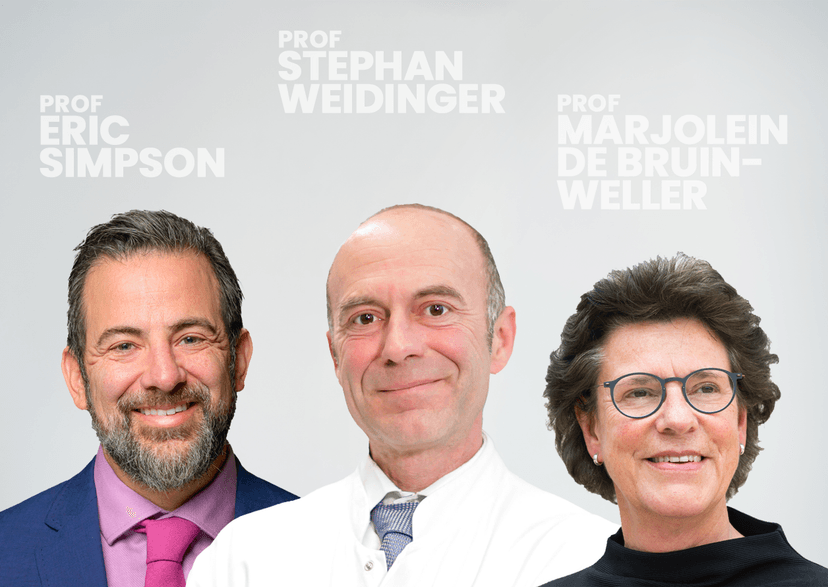
Early Intervention and Disease Modification in AD: Can We Change the Course of the Disease?
This video presentation of the September 2024 ADVENT symposium at EADV’s Annual Meeting in Amsterdam, the Netherlands features Dr. Stephan Weidinger, Dr. Eric Simpson, and Dr. Marjolein de Bruin-Weller. The faculty investigate the inflammatory processes driven by type 2 cytokines that lead to the local and systemic clinical effects of AD, the potential benefits of treating patients with AD early in the disease course, and the emerging real-world data on the use of advanced systemic therapies for patients with AD.

What Went Wrong? How Dysregulated Type 2 Immunity Contributes to AD, PN, CSU, and BP
The March 2025 ADVENT symposium in Orlando, Florida brought together 4 dermatology experts to explore the evolving science of type 2 inflammation. Type 2 inflammation plays a central role in the pathophysiology of multiple dermatological diseases, driving chronic immune dysregulation that affects patients with atopic dermatitis (AD) prurigo nodularis (PN), chronic spontaneous urticaria (CSU) and bullous pemphigoid (BP). Understanding the mechanisms behind type 2 inflammation is key to advancing care and improving patient quality of life.
