107 search results for: Clinical Management
The Benefits of Early Intervention in AD: More Than Skin Deep
Many AD treatment goals focus on clinical manifestations, so that if a patient is free of lesions, their disease is considered well controlled. However, the inflammatory process underlying AD reaches far beyond the skin, affecting patients in unique ways at different stages of their lives. Education on the importance of treating AD beyond the skin and altering the treatment approach to fit the individual patient will help improve clinical management and reduce long-term patient burden.
ADVENT at ESPGHAN | Shedding Light on Pediatric Eosinophilic Esophagitis: Timely Identification and Management
Join global experts Prof. Salvatore Oliva and Dr. Dhandapani Ashok for an educational symposium at ESPGHAN, as they discuss the burden and impact of underlying type 2 inflammation in eosinophilic esophagitis (EoE), and the importance of early diagnosis and management in pediatric patients.

Corticosteroids in Asthma Management
This infographic illustrates the ongoing burden associated with maintenance oral corticosteroid (OCS) use and high-dose inhaled corticosteroids (ICS) in asthma, including the clinical impact of corticosteroid exposure, supporting evidence, and the importance of considering corticosteroid burden in asthma management.

Confidence Across the Spectrum: Addressing the Heterogeneity of CSU
This infographic explores the heterogeneity of chronic spontaneous urticaria (CSU) across patient subpopulations and highlights differences in demographic and clinical characteristics that may impact disease burden and management.

ADVENT at ESPGHAN 2025 | Unlocking Better Outcomes: Strategies for Early Diagnosis and Effective Management in Pediatric EoE Patients
In support of World Eosinophilic Esophagitis Day, this ADVENT symposium features pediatric gastroenterology experts Dr Carolina Gutiérrez Junquera and Dr Christos Tzivinikos where they discuss the importance of early identification and management of pediatric EoE to improve long-term outcomes. They highlight clinical data and discuss their practical experiences with pediatric EoE, including their perspectives on co-occurring type 2 inflammatory diseases, the chronic nature of EoE, and the future of EoE research and therapeutic development.
Time to Act: Reducing the Impact of Uncontrolled Disease Through Early Intervention
Dr Jason Hawkes describes the importance of early intervention for patients with uncontrolled skin diseases and the effectiveness of evidence-based management strategies, sharing a patient case and his clinical insights with chronic spontaneous urticaria. Drs Eichenfield, Elmariah, and Culton join to review the burdens faced by patients with atopic dermatitis, prurigo nodularis, and bullous pemphigoid, respectively.

Bridging the Gap in EoE: Innovative Strategies for Seamless Transition of Care
Join leading experts in EoE, Thomas Greuter, MD, Edoardo Vincenzo Savarino, MD, PhD, and Carla Giordano, MD, PhD, as they use a case-based approach to explore the impact of chronic type 2 inflammation in EoE and outline strategies for optimizing transition of care and monitoring disease progression. They review the latest clinical evidence on therapeutic management and share insights from their own practice to support shared decision-making in the long-term care of EoE.

EAACI 2024 | On-Treatment Clinical Remission in Upper and Lower Airways: Going Beyond Symptom Control
Join experts G. Walter Canonica, Vibeke Backer, and Joaquim Mullol for an educational symposium on elevating treatment goals from control to remission in the upper and lower airways.
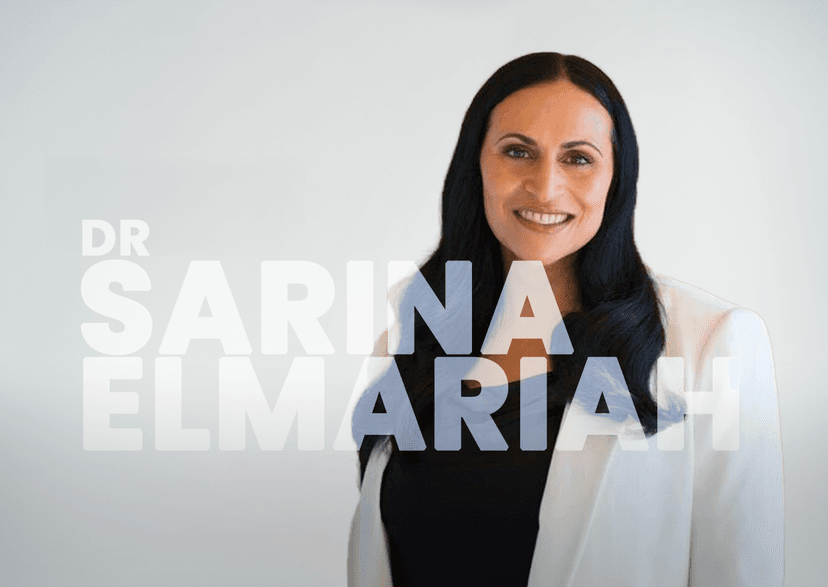
Prurigo Nodularis Management Goals: From Itch Control to Improved Quality of Life
Tune in as Dr. Sarina Elmariah describes the management goals for patients with prurigo nodularis.

Key Treatment Considerations for Management of Atopic Dermatitis in Children
In this highlight video from the October 2024 ADVENT symposium at EAPS in Vienna, Austria, Dr Perla Lansang reviews the key considerations for management of AD that is uncontrolled with topical therapies in children and the criteria to determine whether a patient is indicated for systemic therapy
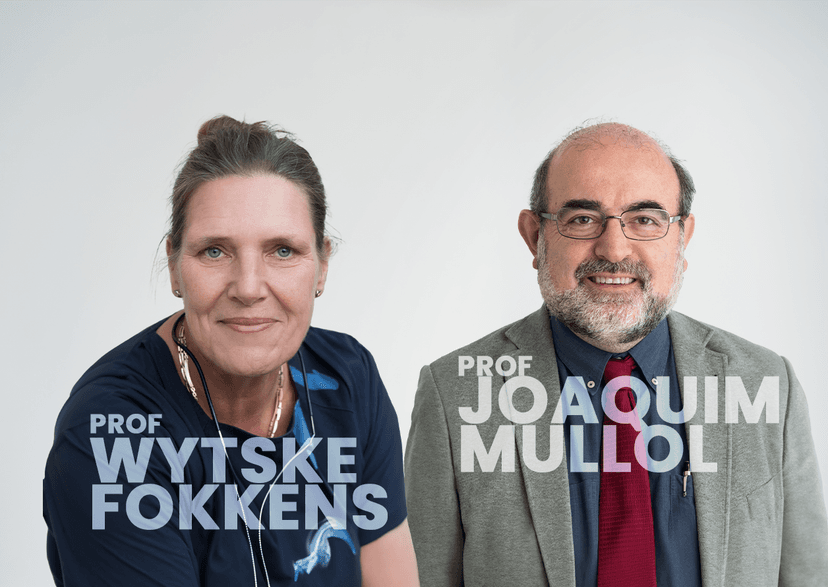
Partnering With Patients for Clinical Decision-Making in CRSwNP
Profs. Wytske Fokkens and Joaquim Mullol investigate the importance of partnering with patients with CRSwNP in clinical decision-making.

Assessing EoE: Monitoring Patients With EoE in Clinical Practice
Hear Dr. Ulrike von Arnim discuss the expert recommendations for monitoring patients with EoE in routine clinical practice.