31 search results for: symposium
ADVENT at IRS-ISIAN | The Importance of Understanding Smell Loss and Congestion in CRSwNP
Join Profs. Sachio Takeno and Joaquim Mullol for an educational symposium highlighting the multifaceted burden associated with loss of smell and congestion in patients with uncontrolled CRSwNP.
Digging Deeper: Reducing Non-Atopic Comorbidities and Multidimensional Disease Burden
In this video from the April 2025 WCPD symposium, Dr Paula Luna discusses the multidimensional disease burden in pediatric patients with AD and the data regarding how early intervention may lead to long-term disease control and a reduced risk of developing non-atopic comorbidities.
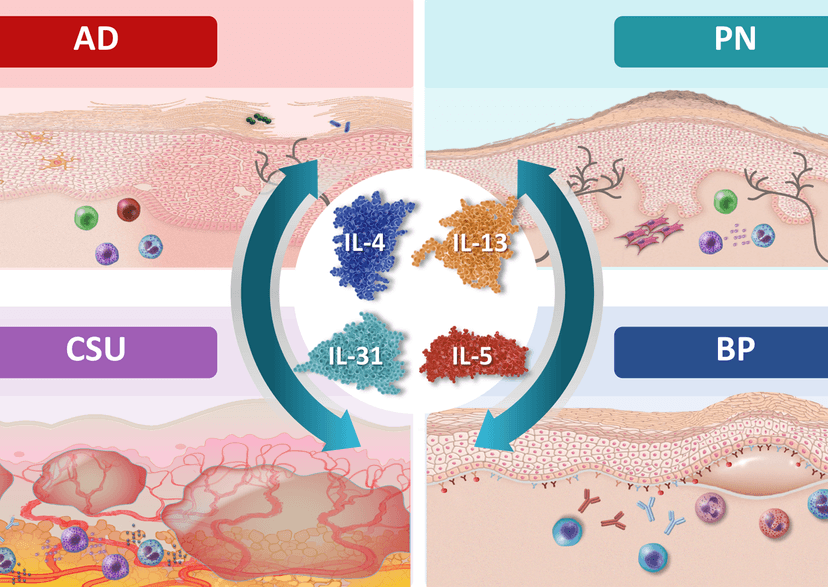
What Went Wrong? How Dysregulated Type 2 Immunity Contributes to AD, PN, CSU, and BP
This is the full presentation of the March 2025 ADVENT cross-dermatology symposium, hosted in Orlando, Florida, presenting the latest information around type 2 inflammation and its association with atopic dermatitis (AD), prurigo nodularis (PN), chronic spontaneous urticaria (CSU) and bullous pemphigoid (BP).

What Went Wrong? How Dysregulated Type 2 Immunity Contributes to AD, PN, CSU, and BP
This full video presentation of the March 2025 ADVENT cross-dermatology symposium, hosted in Orlando, Florida features Dr. Eric Simpson, Dr. Shawn Kwatra, Dr. Jason Hawkes and Dr. Victoria Werth. The faculty present the latest information around type 2 inflammation and its association with atopic dermatitis (AD), prurigo nodularis (PN), chronic spontaneous urticaria (CSU) and bullous pemphigoid (BP).

ADVENT at IRS-ISIAN | Evolving Perspectives in CRSwNP: From Symptom Control to Disease Remission
Join Profs. Shigeharu Fujieda, Peter Hellings, and Eugenio De Corso for an educational symposium on the evolving understanding of disease control and clinical remission in CRSwNP.
Role of Type 2 Inflammation in Skin Barrier Disruption and Itch
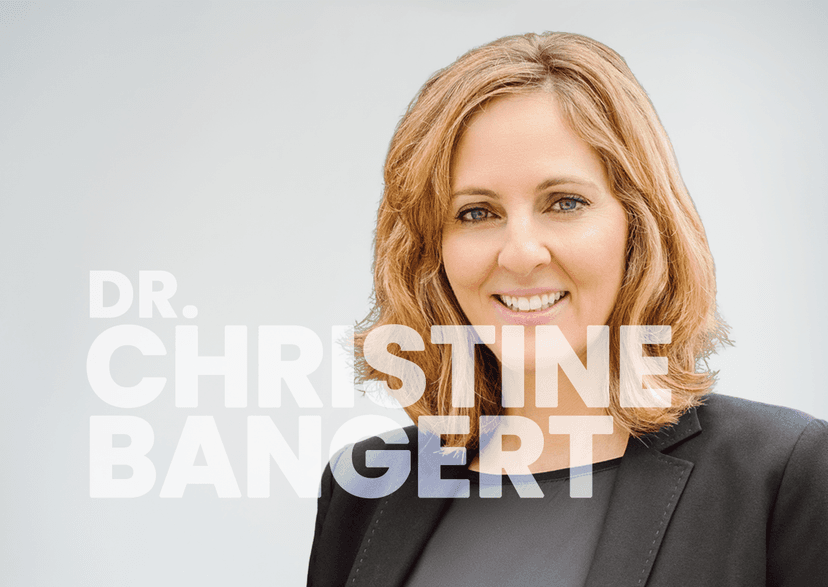
In this highlight video from the October 2024 ADVENT symposium at EAPS in Vienna, Austria, Dr Christine Bangert discusses how type 2 inflammation contributes to epidermal barrier dysfunction and chronic itch in AD
Persistence of AD From Childhood Into Adulthood
In this highlight video from the October 2024 ADVENT symposium at EAPS in Vienna, Austria, Dr Christine Bangert describes how AD can persist into adulthood in many children with moderate-to-severe AD and discusses the risk factors for such persistence.

Type 2 Inflammation Within Skin Tissue in AD
In this highlight video from the September 2024 ADVENT symposium at EADV’s Annual Meeting in Amsterdam, the Netherlands, Dr. Stephan Weidinger discusses how type 2 inflammation contributes to epidermal barrier dysfunction, perivascular infiltration and plasma protein leakage, and chronic itch in AD.

Considerations for Disease Modification in AD
In this highlight video from the September 2024 ADVENT symposium at EADV’s Annual Meeting in Amsterdam, the Netherlands, Dr. Eric Simpson explores potential considerations when discussing the concept of disease modification and how early intervention might be disease modifying in AD.
Epidemiology and Pathophysiology of AD in Children
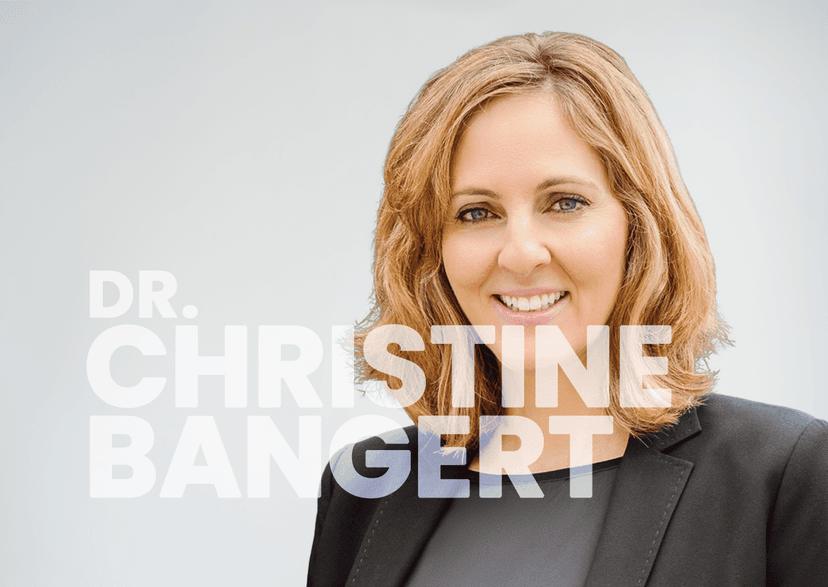
In this expert interview video focusing on topics from the October 2024 ADVENT symposium at EAPS in Vienna, Austria, Dr Christine Bangert discusses the epidemiology of AD in children and the role of type 2 cytokines in driving the pathophysiology of the disease

IL-4 Contributes to Systemic Type 2 Inflammation in AD
In this highlight video from the ADVENT AD symposium held at EADV’s 2024 Annual Meeting in Amsterdam, Dr. Stephan Weidinger discusses how IL-4 contributes to systemic type 2 inflammation in AD via several mechanisms, including T cell differentiation, B cell activation and IgE generation, and T regulatory cell inhibition.
