50 search results for: Atopic Dermatitis
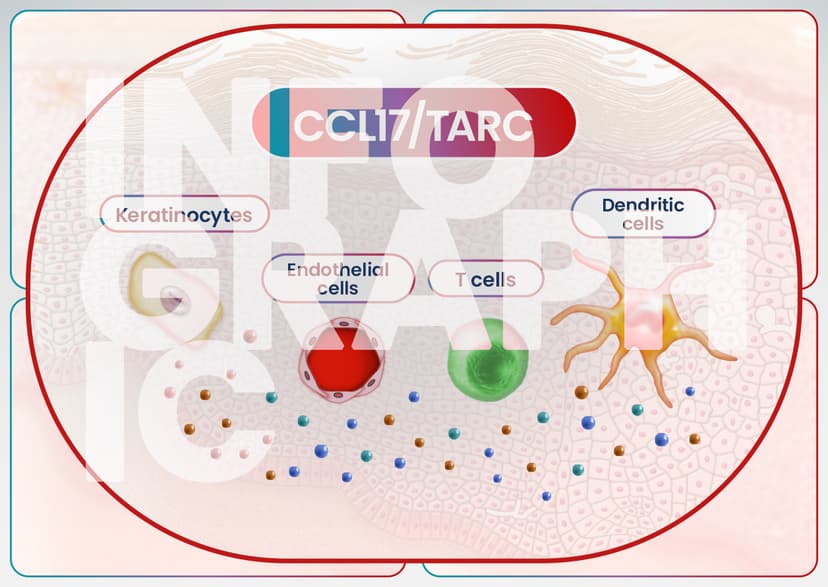
CCL17 (TARC): A Key Player and Biomarker in Atopic Dermatitis
An infographic to explore the the key roles of CCL17 (TARC) in atopic dermatitis.
ADVENT at EADV 2025
Join leading dermatologists for educational symposia on atopic dermatitis, bullous pemphigoid, and chronic spontaneous urticaria at the EADV congress in Paris, France.

Type 2 Inflammation, Neurosensitization, and Chronic Itch in Atopic Dermatitis
Learn about type 2 inflammation as a driver of neurosensitization and chronic itch in atopic dermatitis with this educational tool.

ADVENT On Air | Exploring The Urgency to Treat in Atopic Dermatitis
Professor Lisa Beck explores the chronic and persistent burden of atopic dermatitis (AD) as well as the concept of early intervention in patients with AD.

Cumulative Impact of Uncontrolled Atopic Dermatitis: Skin Inflammation as the Tip of the Iceberg
Prof Jean-David Bouaziz describes the multifaceted burden of atopic dermatitis, beyond what can be seen on the skin, at EADV 2025.

The Benefits of Early Intervention in Reducing the Burden of Disease in Children With Atopic Dermatitis
This page presents educational material, infographics, and video highlights from our recent ADVENT symposia, including the 2025 World Congress of Pediatric Dermatology (WCPD) in Buenos Aires, Argentina, exploring the pathophysiology of type 2 inflammation and atopic dermatitis, the burden of disease leading to cumulative life course impairment (CLCI), and the risk of the atopic march in pediatric patients with atopic dermatitis.

What Drives Chronic Itch and the Itch-Scratch Cycle in Atopic Dermatitis?
Watch this short video to learn how type 2 inflammation, skin barrier dysfunction, and neurosensitization contribute to chronic itch and the itch-scratch cycle in atopic dermatitis
How Biologic Therapy May Lead to Disease Modification in Infants and Children with Atopic Dermatitis
The underlying pathophysiology of atopic dermatitis (AD) is driven by dysregulation of type 2 immunity that contributes to skin barrier dysfunction. AD typically develops very early in life and children with AD often develop other atopic conditions such as food allergy, asthma, and allergic rhinitis in a progression called the atopic march. Early treatment may help reduce the atopic march and other comorbidities to lessen the lifetime burden created by these diseases. There may even be a window of opportunity for disease modification.

Emerging Perspectives on the Disease Burden and Management of Children with Atopic Dermatitis
Join Christine Bangert, Mark Boguniewicz and Perla Lansang for an educational symposium on atopic dermatitis (AD) in children, exploring the diagnosis and pathophysiology of AD in children, the life-long effects of uncontrolled disease beyond the skin, and current and emerging therapies.
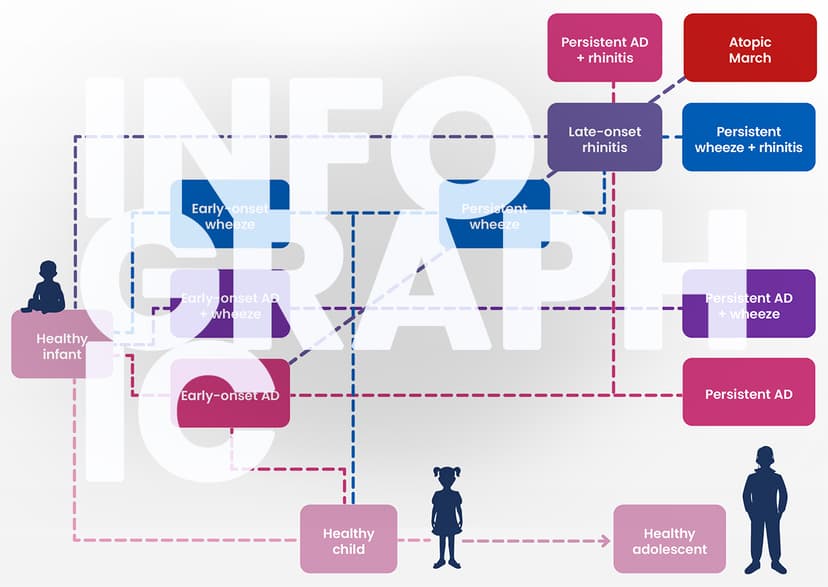
The Role of Type 2 Inflammation in Multiple Disease Trajectories
How type 2 inflammation drives atopic dermatitis and underlies other atopic diseases across multiple disease trajectories including the atopic march.

Underlying Type 2 Inflammation Drives a Chronic Itch-Scratch Cycle in Atopic Dermatitis
In this soundbite video from the April 2025 ADVENT Forum in Lisbon, Portugal, Dr. Brian Kim explains how underlying type 2 inflammation sustains the chronic itch-scratch cycle in atopic dermatitis, highlighting the interplay of barrier dysfunction, cytokine signaling, and neuronal activation.

Type 2 Inflammation and Its Role in Atopic Dermatitis
In this video of the October 2024 ADVENT symposium at EAPS in Vienna, Austria, Dr Christine Bangert reviews the epidemiology, clinical presentation, and differential diagnoses of AD in children, as well as the inflammatory processes driven by type 2 cytokines that lead to AD and its atopic comorbidities
