94 search results for: Atopic Dermatitis
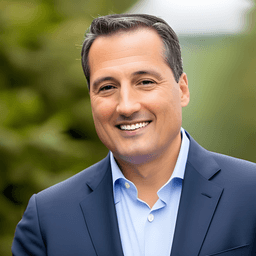
Matthew Zirwas, MD
Matthew Zirwas, MD, is an American Board of Dermatology-certified physician. He is a nationally known expert who has been specializing in contact dermatitis, pruritus, atopic dermatitis, and seborrheic dermatitis for the last 20 years.
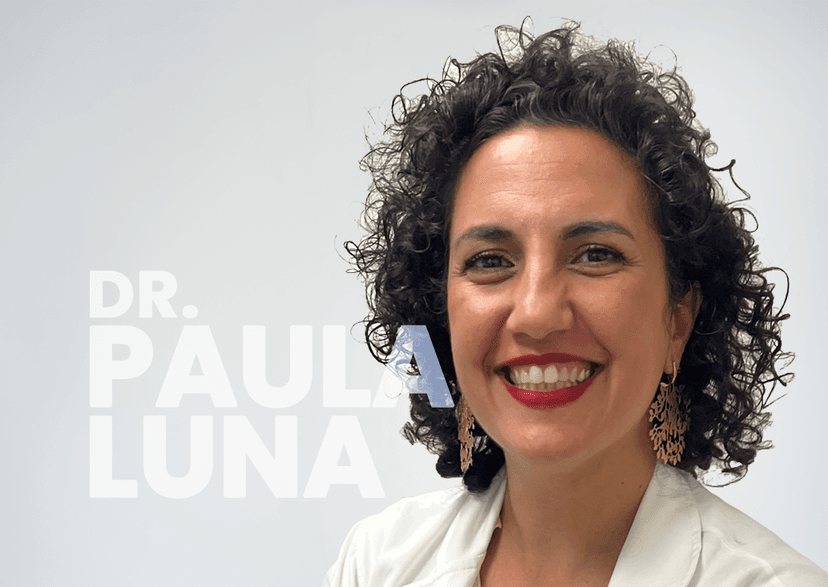
Digging Deeper: Reducing Non-Atopic Comorbidities and Multidimensional Disease Burden
In this clip from the April WCPD 2025 symposium, Dr Paula Luna discusses how moderate-to-severe AD may hinder growth in pediatric patients.

Bob Geng, MD
Co-Director of the Multidisciplinary Atopic Dermatitis Program | Rady Children's Hospital, San Diego | Associate Clinical Professor | UC San Diego School of Medicine, California, United States
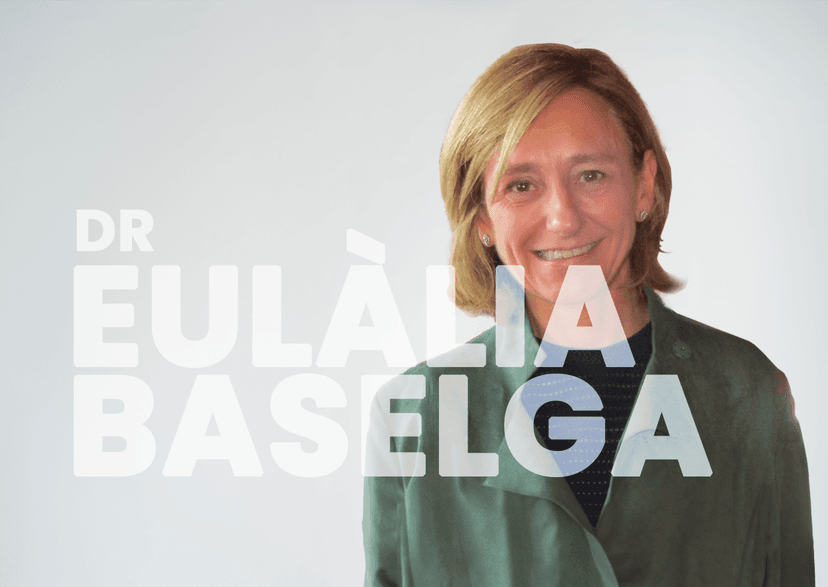
Charting the Future: Preventing the Atopic March
In this clip from the April WCPD 2025 symposium, Dr Eulàlia Baselga highlights the multidimensional burden of uncontrolled AD and how the various burdens contribute to Cumulative Life Course Impairment (CLCI).

AANP 2025 | Atopic Diseases & a Case-Based Panel of Nurse Practitioners
Experts from different specialties use a case-based discussion to understand type 2 inflammatory diseases from a nurse practitioner perspective.

Diving Below the Surface of AD: The Role of Type 2 Inflammation
This video from the September 2024 ADVENT symposium at EADV’s Annual Meeting in Amsterdam, the Netherlands, features Dr. Stephan Weidinger discussing how local type 2 inflammation at the skin tissue level contributes to epidermal barrier dysfunction, dysbiosis, and neuroimmune dysfunction, leading to the clinical signs and symptoms of AD. Dr. Weidinger also reviews how systemic inflammation affects organ systems beyond the skin and can manifest as atopic and non-atopic comorbidities.

Latest Real-World Data on Advanced Systemic Treatments for Patients With AD
This video from the September 2024 ADVENT symposium at EADV’s Annual Meeting in Amsterdam, the Netherlands, features Dr. Marjolein de-Bruin Weller discussing the latest real-world data on the effects of advanced systemic treatments on multiple outcomes including disease activity, patient-reported outcomes, biomarkers, and atopic comorbidities in patients with AD.

Real-World Effectiveness of Advanced Systemic Treatments in AD
In this highlight video from the September 2024 ADVENT symposium at EADV’s Annual Meeting in Amsterdam, the Netherlands, Dr. Marjolein de-Bruin Weller discusses the latest real-world data on the effects of advanced systemic treatments in patients with AD.

The Role of Type 2 Inflammation in Moderate-to-Severe AD
In this expert interview video focusing on topics from the September 2024 ADVENT symposium at EADV’s Annual Meeting in Amsterdam, the Netherlands, Dr. Stephan Weidinger discusses how type 2 inflammation contributes to the systemic inflammation seen in patients with moderate-to-severe AD.
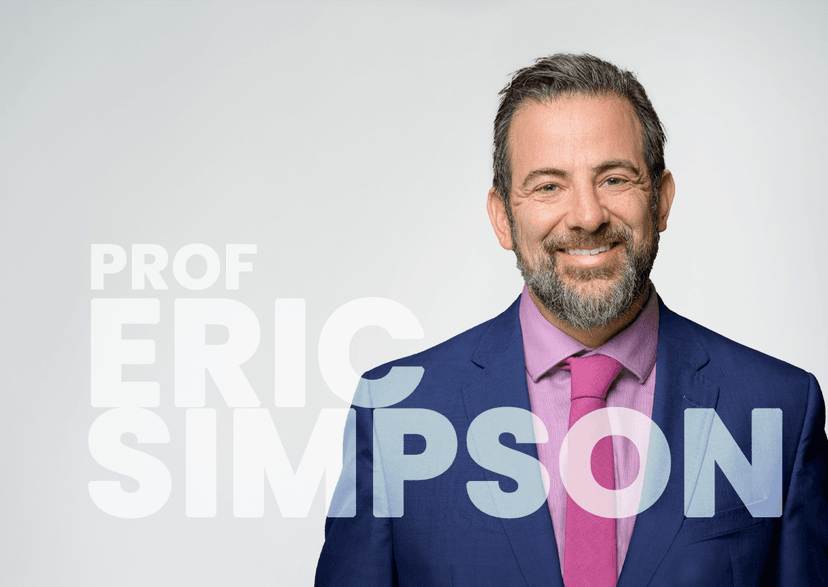
Early Intervention and the Potential For Disease Modification in AD
In this expert interview video focusing on topics from the September 2024 ADVENT symposium at EADV’s Annual Meeting in Amsterdam, the Netherlands, Dr. Eric Simpson discusses key considerations for disease modification and the importance of early intervention in treating patients with AD.

Emerging Real-World Data on Advanced Systemic Therapies in AD
In this expert interview video focusing on topics from the September 2024 ADVENT symposium at EADV’s Annual Meeting in Amsterdam, the Netherlands, Dr. Marjolein de-Bruin Weller highlights findings from the latest real-world studies on the use of advanced systemic treatments in patients with AD.
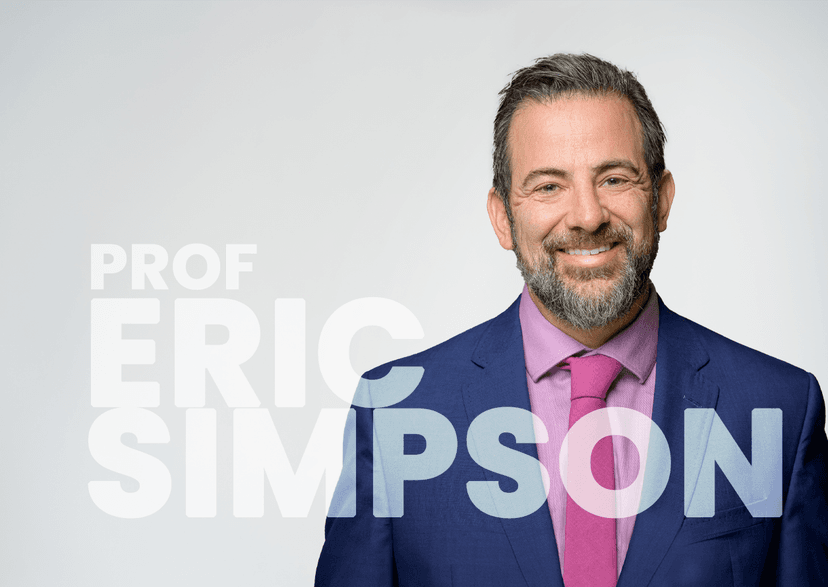
Considerations for Disease Modification in AD
In this highlight video from the September 2024 ADVENT symposium at EADV’s Annual Meeting in Amsterdam, the Netherlands, Dr. Eric Simpson explores potential considerations when discussing the concept of disease modification and how early intervention might be disease modifying in AD.
