84 search results for: expert insights

ADVENT On Air | Be on the Lookout for EoE: The Importance of Early Diagnosis
Join Dr. Aceves and Ms. Ugras as they share their insights on how to identify potential patients with EoE and the importance of early diagnosis.

ADVENT On Air | Breath, Blood, and Beyond: The Prognostic Power of Biomarkers in Asthma Across Ages
Join pediatric respirologist Dr. Sharon Dell and adult respirologist Dr. Simon Couillard as they discuss the prognostic and diagnostic power of asthma biomarkers and their impact on optimizing patient management across all ages.

Cracking the Code: Diagnosing and Managing Skin Diseases With Type 2 Inflammation
This symposium delves into the pivotal role of type 2 inflammation in diverse skin conditions, including atopic dermatitis, prurigo nodularis, chronic spontaneous urticaria, and bullous pemphigoid. It highlights both shared and distinct disease mechanisms and patient burdens, providing crucial insights for optimizing clinical management strategies through a series of engaging panel discussions with Drs Eichenfield, Elmariah, Culton, and Hawkes.

ERS-ISIAN 2025 | Disease Control in CRSwNP
Unpack the keys to successful disease control in CRSwNP alongside expert Prof. Vibeke Backer. Learn how to navigate treatment pathways for improved patient quality of life.

ADVENT Forum 2025 Event Page
From the April 2025 ADVENT Forum in Lisbon, Portugal, this event page serves to spotlight curated soundbites from dermatology and immunology experts that connect the evolving science of type 2 inflammation to clinical application.

What Went Wrong? How Dysregulated Type 2 Immunity Contributes to AD, PN, CSU, and BP
The March 2025 ADVENT symposium in Orlando, Florida brought together 4 dermatology experts to explore the evolving science of type 2 inflammation. Type 2 inflammation plays a central role in the pathophysiology of multiple dermatological diseases, driving chronic immune dysregulation that affects patients with atopic dermatitis (AD) prurigo nodularis (PN), chronic spontaneous urticaria (CSU) and bullous pemphigoid (BP). Understanding the mechanisms behind type 2 inflammation is key to advancing care and improving patient quality of life.

ADVENT Forum 2025 On Demand page
Watch on-demand expert soundbites recorded at the April 2025 ADVENT Forum in Lisbon, Portugal, featuring dermatology and immunology perspectives on mechanisms and clinical practice. Topics range from disease mechanism to patient care and quality of life, spanning atopic dermatitis (AD), prurigo nodularis (PN), chronic spontaneous urticaria (CSU) and bullous pemphigoid (BP).
The Benefits of Early Intervention in AD: More Than Skin Deep
Many AD treatment goals focus on clinical manifestations, so that if a patient is free of lesions, their disease is considered well controlled. However, the inflammatory process underlying AD reaches far beyond the skin, affecting patients in unique ways at different stages of their lives. Education on the importance of treating AD beyond the skin and altering the treatment approach to fit the individual patient will help improve clinical management and reduce long-term patient burden.

AANP 2025 | Atopic Diseases & a Case-Based Panel of Nurse Practitioners
Experts from different specialties use a case-based discussion to understand type 2 inflammatory diseases from a nurse practitioner perspective.

Hindered Growth in Children Aged <12 Years with Moderate-to-Severe AD and Potential Improvement with Dupilumab Treatment
In this soundbite video from the April 2025 ADVENT Forum in Lisbon, Portugal, Dr Amy Paller discusses how moderate-to-severe AD may hinder growth in pediatric patients and highlights data showing treatment with dupilumab may increase vertical growth in children of lower stature.

Can Therapy-Free Disease Control Be Achieved in Atopic Dermatitis?
In this soundbite video from the April 2025 ADVENT Forum in Lisbon, Portugal, Prof. Amy Paller reviews a Japanese study showing that early proactive treatment of infant atopic dermatitis with topical corticosteroids reduced the incidence of food allergy but was also associated with decreased gains in height and weight.
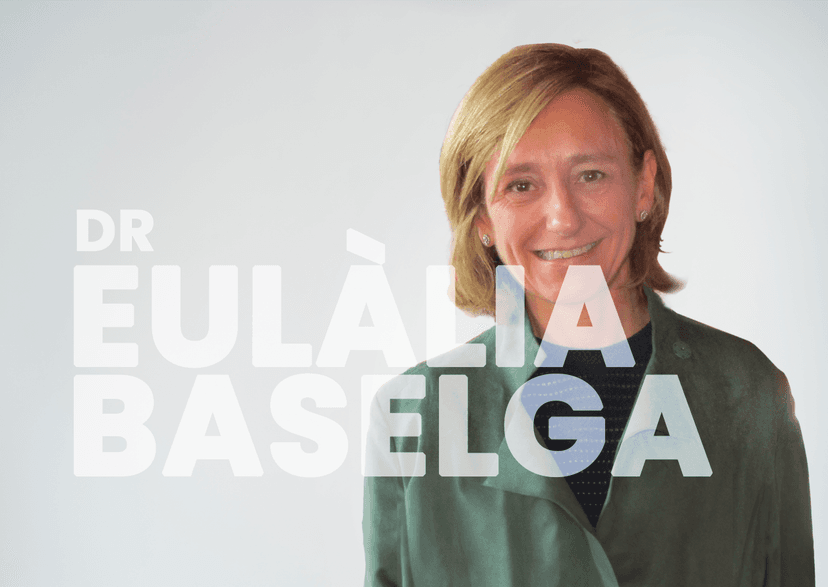
Charting the Future: Preventing the Atopic March
In this clip from the April WCPD 2025 symposium, Dr Eulàlia Baselga discusses data identifying atopic dermatitis as the first diagnosed atopic disease and the start of the atopic march.
