92 search results for: type 2 inflammation

ADVENT On Air | Charting a New Course: The Frontier of Early Intervention and Disease Modification in AD
Join Drs. April Armstrong and Lisa Beck for a conversation around the long-term burden and effects of AD. They will discuss the underlying pathophysiology of AD and how early intervention and disease modification may impact disease course.
What role does IL-4 and IL-13 have in driving Type 2 inflammatory skin disease (AD, PN, CSU)?
Dr. Oscar Palomares explains that IL-4 and IL-13 are crucial cytokines in type 2 inflammation, playing both unique and overlapping roles, including T cell expansion and contributing to clinical symptoms in chronic diseases.

ERS 2025 | Type 2 Severe Asthma "Unplugged": Reducing Mucus to Improve Long-term Patient Outcomes
Join leading pulmonologists Drs. Njira Lugogo, Simon Couillard, and Mario Castro, as they explore the role of type 2 inflammation in the pathogenesis of mucus plugging in the airways, the burden of excess mucus in patients with moderate-to-severe asthma, and how reducing airway mucus may lead to improved long-term patient outcomes.
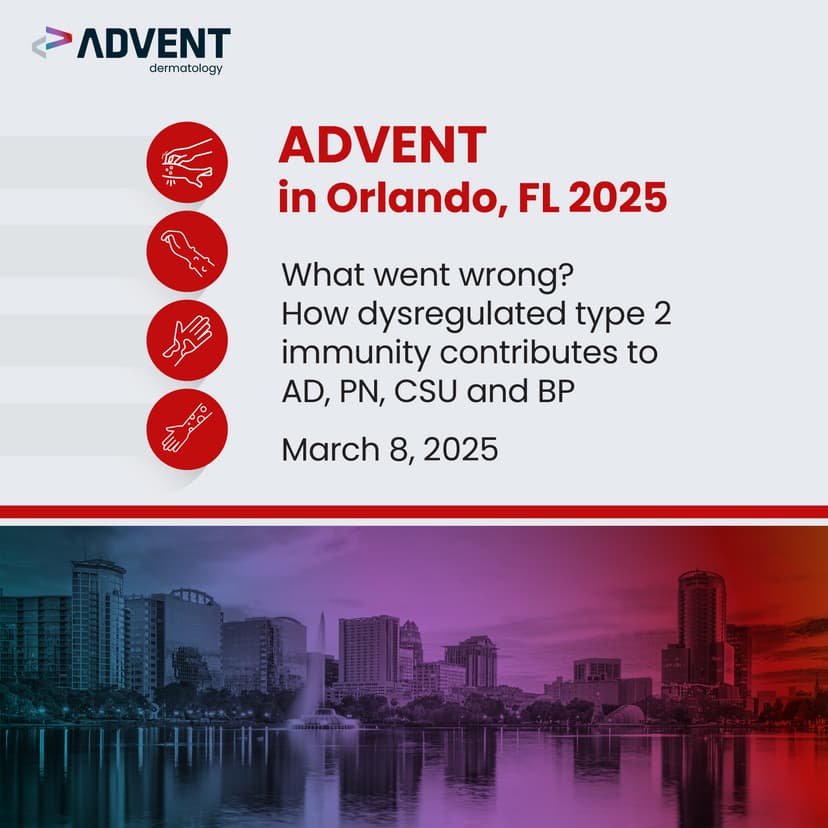
ADVENT in Orlando, 2025
Type 2 inflammation contributes to many dermatologic diseases, which may lead to potentially life-changing burdens and challenges to patients and caregivers. By uncovering the role of type 2 inflammation in the pathophysiology of AD, PN, CSU, and BP, we can move forward in our understanding of each disease. Join global experts for an educational symposium on March 8th that will uncover the role of type 2 inflammation in the pathophysiology of AD, PN, CSU, and BP and explore questions driving current research in each disease.

Prurigo Nodularis (PN): Understanding Its Clinical Features, Complex Burden, and Underlying Mechanisms
Explore the clinical features, complex burden, and underlying mechanisms of PN.

The Weight of Breath: The Impact of Pediatric Asthma on Patients and Caregivers
Learn about the multifaceted burden of uncontrolled pediatric asthma on patients and their caregivers.
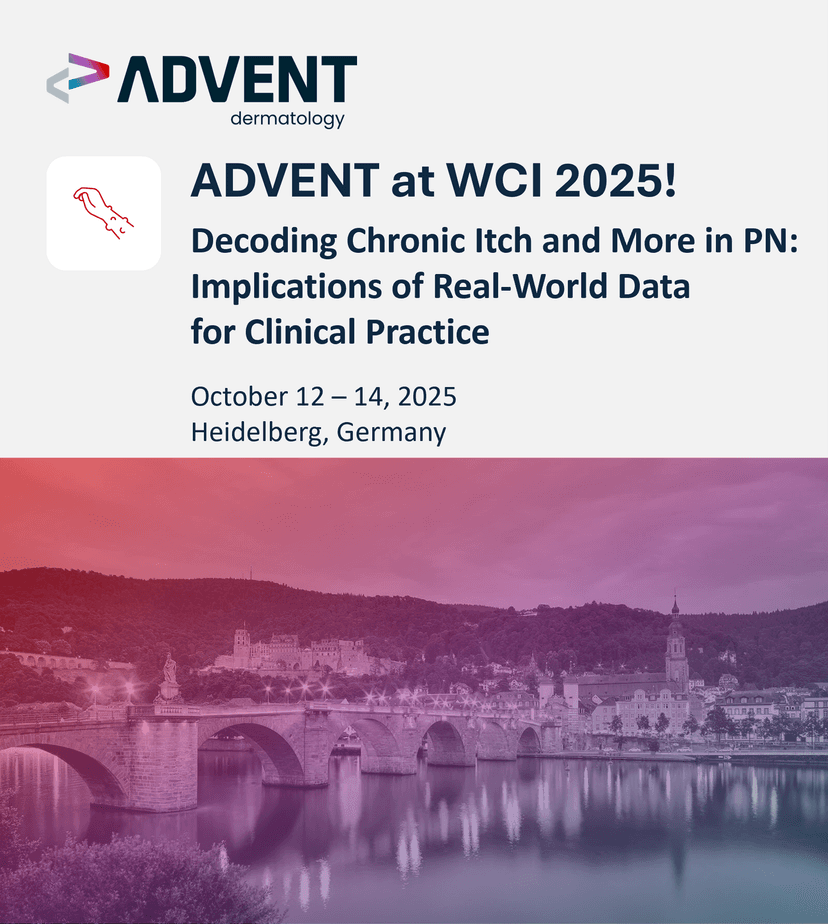
ADVENT at WCI 2025
Join ADVENT for an educational symposium on PN at WCI 2025!
ADVENT On Air | Exploring The Urgency to Treat in Atopic Dermatitis
Professor Lisa Beck explores the chronic and persistent burden of atopic dermatitis (AD) as well as the concept of early intervention in patients with AD.

Describing Disease Control in PN
Dr. Chovatiya discusses PN, emphasizing that while itch is a major symptom, the disease's burden is multi-dimensional, affecting appearance, sleep, social life, and mental health, requiring comprehensive therapeutic solutions.
ADVENT On Air | Early Intervention and Disease Modification in Atopic Dermatitis
Prof. Thomas Bieber explores early intervention and disease modification in atopic dermatitis.
ESPD 2024 | Atopic Dermatitis in Children: Can Early Therapeutic Intervention Shape Disease Course?
This symposium illustrated the ways type 2inflammation contributes to atopic dermatitis (AD) disease pathogenesis within and beyond the skin, discussed the importance of early intervention in children with AD, and explored the potential for disease modification. The program concluded with a review of the latest clinical and real-world data on advanced systemic treatments for children with AD.
ADVENT at EADV 2025
Join leading dermatologists for educational symposia on atopic dermatitis, bullous pemphigoid, and chronic spontaneous urticaria at the EADV congress in Paris, France.