41 search results for: asthma
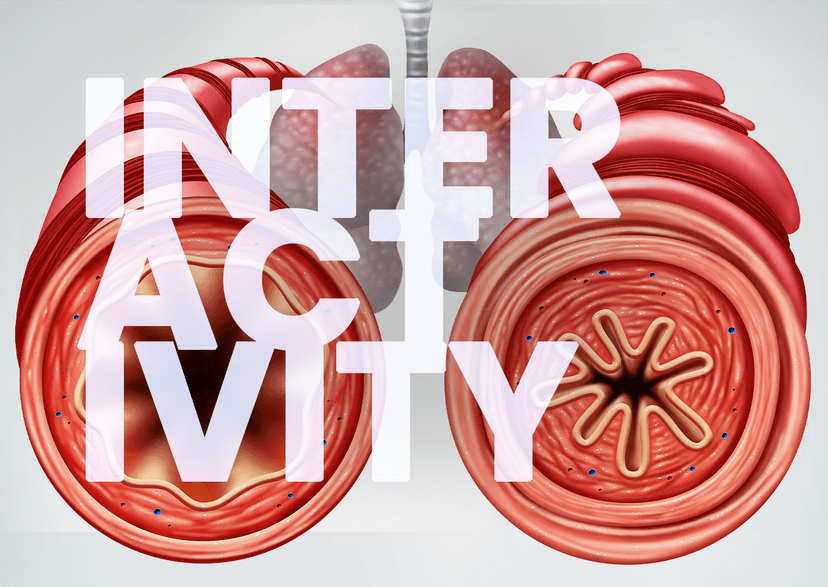
Airway Hyperresponsiveness In Asthma Is Mainly Driven By Components Of Type 2 Inflammation
Examine underlying type 2 inflammation as a driver of airway hyperresponsiveness in patients with asthma.
The Burden in Patients with CRSwNP and Coexisting Asthma
This video supports improved clinical awareness and encourages comprehensive care strategies for patients living with both CRSwNP and asthma.

A view into the Airway: The Pathophysiology and Clinical Relevance of Mucus Plugs in Asthma
Explore the role of type 2 inflammation in the production of mucus plugs in asthma and the effects these plugs can have on patients.
ADVENT On Air | The Road Ahead: Achieving Remission for Patients With Asthma
Join Professors Klaus Rabe and Ian Pavord as they discuss the importance of on-treatment clinical remission as a goal in asthma management.

ERS 2025 | Type 2 Severe Asthma "Unplugged": Reducing Mucus to Improve Long-term Patient Outcomes
Join leading pulmonologists Drs. Njira Lugogo, Simon Couillard, and Mario Castro, as they explore the role of type 2 inflammation in the pathogenesis of mucus plugging in the airways, the burden of excess mucus in patients with moderate-to-severe asthma, and how reducing airway mucus may lead to improved long-term patient outcomes.

CRSwNP at Center Stage: Impact of Biologics in Patients with Co-existing Type 2 Asthma
In this video soundbite from the EAACI 2025 symposium, Dr. Philippe Gevaert explains how biologic options for uncontrolled CRSwNP are increasing, and phase 3 studies of approved biologics show improved outcomes and decreased SCS use/surgery in patients with CRSwNP. Additionally, he explains how biologics targeting type 2 inflammatory pathophysiology potentially improve outcomes for eligible patients with co-existing CRSwNP and asthma.

FeNO Is a Noninvasive Biomarker That Can Support Diagnosis and Management for Asthma Patients
Learn how FeNO, a noninvasive biomarker for type 2 inflammation, can be used to optimize care for asthma patients.

ERS 2026 | Distal Airways, Central Role? Clinical Insights Into Type 2 Severe Asthma
Join experts Frederik Trinkmann, Monica Kraft, and Arnaud Bourdin on an ADVENT educational symposium, “Distal Airways, Central Role? Clinical Insights Into Type 2 Severe Asthma."

The Weight of Breath: The Impact of Pediatric Asthma on Patients and Caregivers
Learn about the multifaceted burden of uncontrolled pediatric asthma on patients and their caregivers.

ADVENT On Air | Breath, Blood, and Beyond: The Prognostic Power of Biomarkers in Asthma Across Ages
Join pediatric respirologist Dr. Sharon Dell and adult respirologist Dr. Simon Couillard as they discuss the prognostic and diagnostic power of asthma biomarkers and their impact on optimizing patient management across all ages.

EAACI 2025 | At The Intersection of the Type 2 Airways: Navigating the Challenges of CRSwNP & Co-existing Asthma
Professors Brian Lipworth, Zuzana Diamant, and Philippe Gevaert delve into the complexities of managing patients with both severe and/or uncontrolled CRSwNP and co-existing asthma through an evaluation of the diagnostic challenges, personalized treatment strategies, and the latest advancements in understanding the interconnected pathophysiology of these type 2 airway diseases.

ADVENT On Air | Disease Modification in Severe Asthma: Framework, Assessment, and Clinical Impact
Join Professors Brusselle and Backer as they discuss the concept of disease modification in asthma.