106 search results for: chronic inflammation
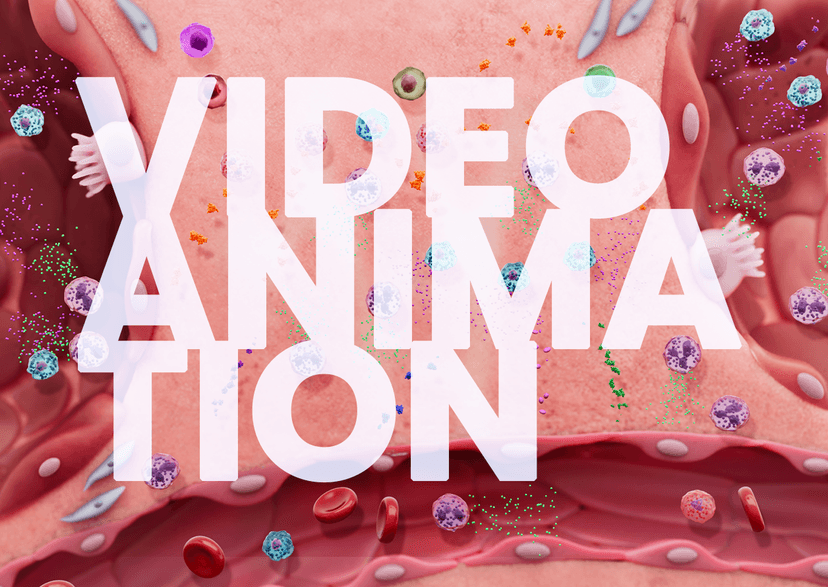
Pathways to Disease: Inflammation in Chronic Obstructive Pulmonary Disease Video
Learn about the significant burden that patients with COPD experience and the role of inflammatory mechanisms in this chronic, often progressive disease.

The Shared Path: Type 2 Inflammation As a Driver of Chronic Itch
Professor Matthias Augustin highlights the role of type 2 inflammation in chronic itch across distinct pruritic skin diseases and the cumulative burden of chronic itch and skin lesions in PN.
Lung Function Decline: Why it Matters and What’s at Stake for Patients
Understand the drivers of lung function decline in chronic obstructive pulmonary disease (COPD), including chronic inflammation, key risk factors, and the impact on patient well-being .

Key Pathophysiological Mechanisms of Chronic Spontaneous Urticaria Are Driven by Type 2 Inflammation
Join Dr. Jason Hawkes as he explains the importance of type 2 inflammation in chronic spontaneous urticaria.
In Chronic Pruritic Skin Diseases, the Neuroimmune Axis Involves Dynamic Interactions Between Type 2 Inflammation and Sensory Nerves
In this soundbite video from the April 2025 ADVENT Forum in Lisbon, Portugal, Dr. Brian Kim describes the dynamic neuroimmune interactions in chronic pruritic skin diseases, emphasizing how type 2 cytokines and sensory nerves actively influence both itch perception and tissue inflammation.
Underlying Type 2 Inflammation Drives a Chronic Itch-Scratch Cycle in Atopic Dermatitis
In this soundbite video from the April 2025 ADVENT Forum in Lisbon, Portugal, Dr. Brian Kim explains how underlying type 2 inflammation sustains the chronic itch-scratch cycle in atopic dermatitis, highlighting the interplay of barrier dysfunction, cytokine signaling, and neuronal activation.

Type 2 Inflammation, Neurosensitization, and Chronic Itch in Atopic Dermatitis
Learn about type 2 inflammation as a driver of neurosensitization and chronic itch in atopic dermatitis with this educational tool.

Shared and Distinct: The Role of Type 2 Inflammation in Skin Diseases
Dr Donna Culton walks through the pathophysiology of type 2 inflammation in inflammatory skin diseases, using bullous pemphigoid as an example. Drs Eichenfield, Elmariah, and Hawkes join to discuss the role of type 2 inflammation across atopic dermatitis, prurigo nodularis, and chronic spontaneous urticaria, respectively.

Cracking the Code: Diagnosing and Managing Skin Diseases With Type 2 Inflammation
This symposium delves into the pivotal role of type 2 inflammation in diverse skin conditions, including atopic dermatitis, prurigo nodularis, chronic spontaneous urticaria, and bullous pemphigoid. It highlights both shared and distinct disease mechanisms and patient burdens, providing crucial insights for optimizing clinical management strategies through a series of engaging panel discussions with Drs Eichenfield, Elmariah, Culton, and Hawkes.

Decoding Chronic Itch and More in PN: Implications of Real-World Data for Clinical Practice
This symposium highlights type 2 inflammation as a key driver of chronic itch and the characteristic skin lesions of prurigo nodularis and evaluates the real-world implications of targeted therapies on clinical practice.

Type 2 Inflammation and Sinonasal Barrier Dysfunction in CRSwNP
Explore how type 2 inflammation drives sinonasal barrier dysfunction in chronic rhinosinusitis with nasal polyps (CRSwNP) with this video on the cellular mechanisms behind hallmark symptoms — including nasal congestion and loss of smell.
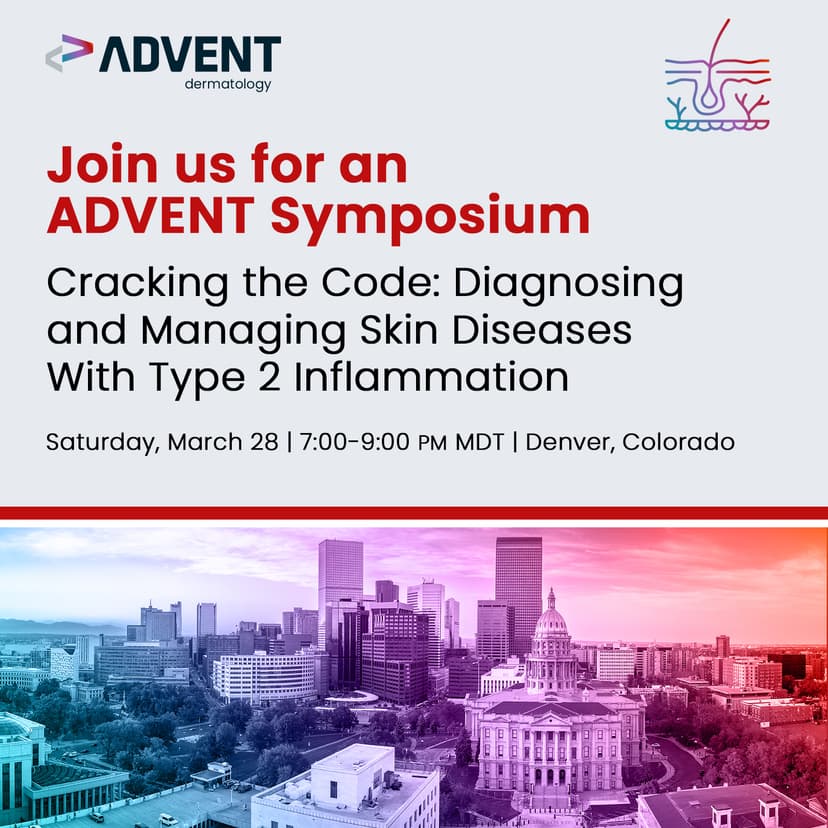
Cracking the Code: Diagnosing and Managing Skin Diseases With Type 2 Inflammation
This 2-hour educational program delves into the pivotal role of type 2 inflammation in diverse skin conditions, including atopic dermatitis, prurigo nodularis, bullous pemphigoid, and chronic spontaneous urticaria. It will highlight both shared and distinct disease mechanisms and patient burdens, providing crucial insights for optimizing clinical management strategies. Experts will guide the audience through diverse patient cases to illuminate diagnostic nuances and the pathophysiology of each condition. These cases will also highlight the importance of shared decision-making and the broadening of treatment goals beyond symptom control. Dynamic panel discussion and active audience participation will be facilitated through real-time polling and curated Q&A sessions.
